UW-Madison
Madison, WI
January – March, 2018
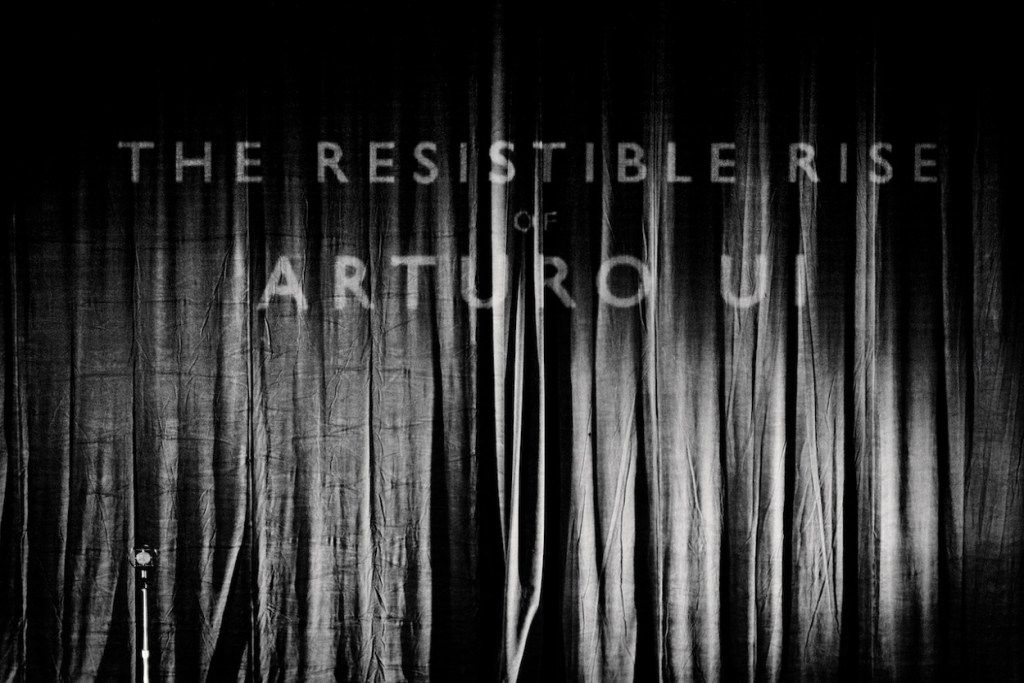
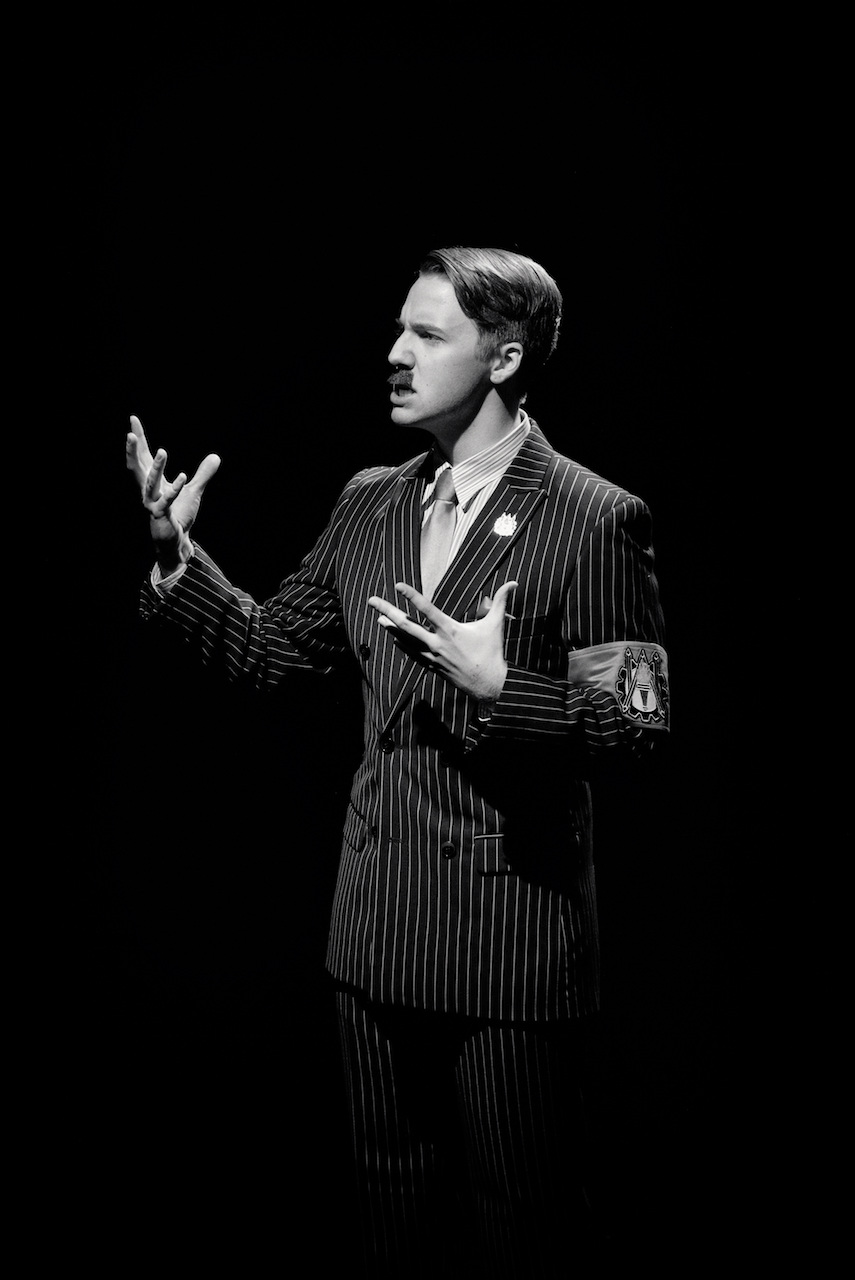
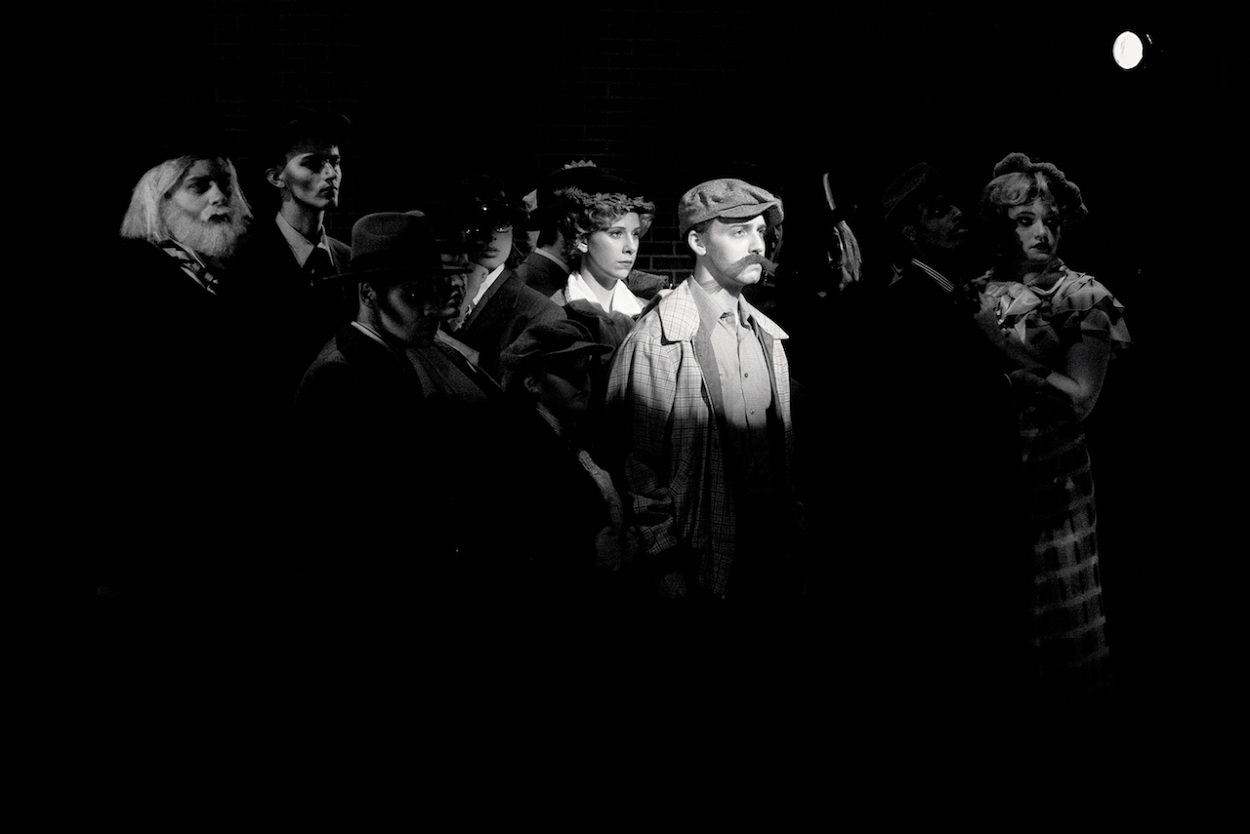
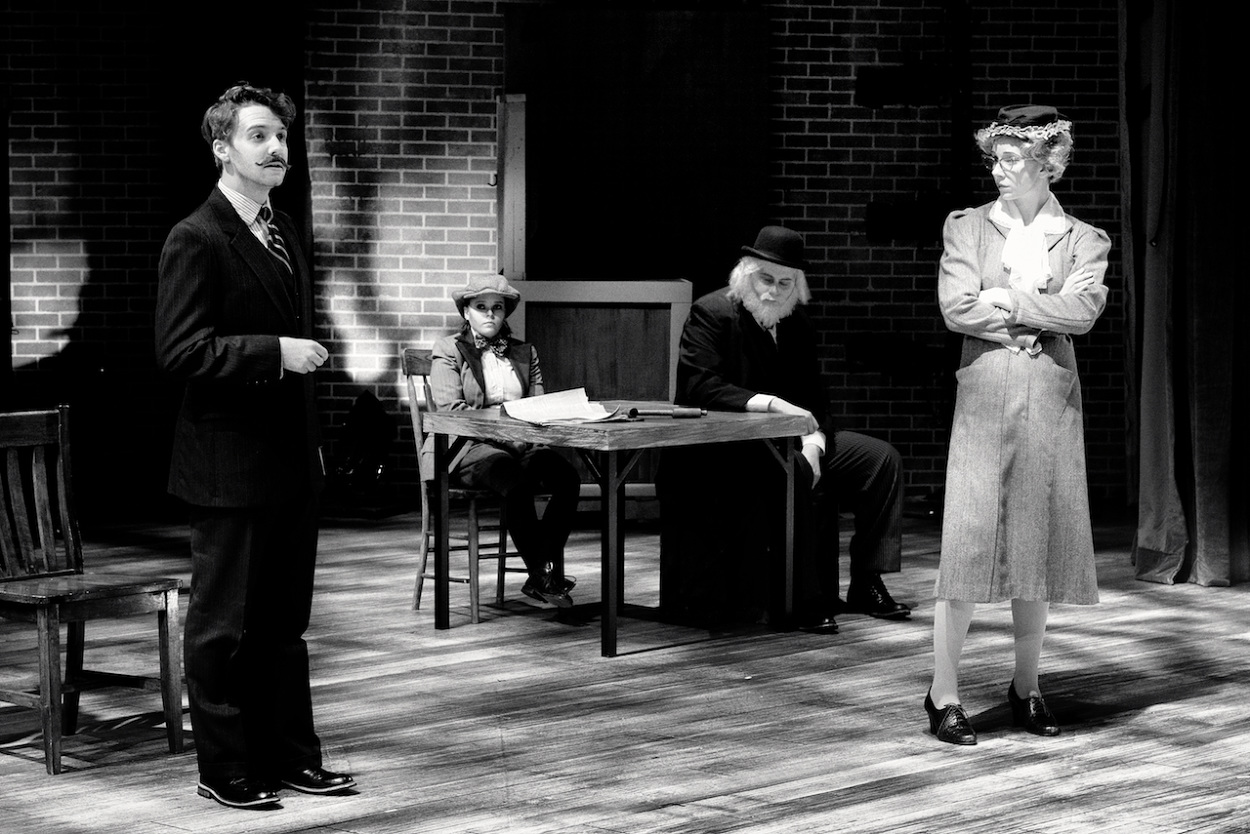
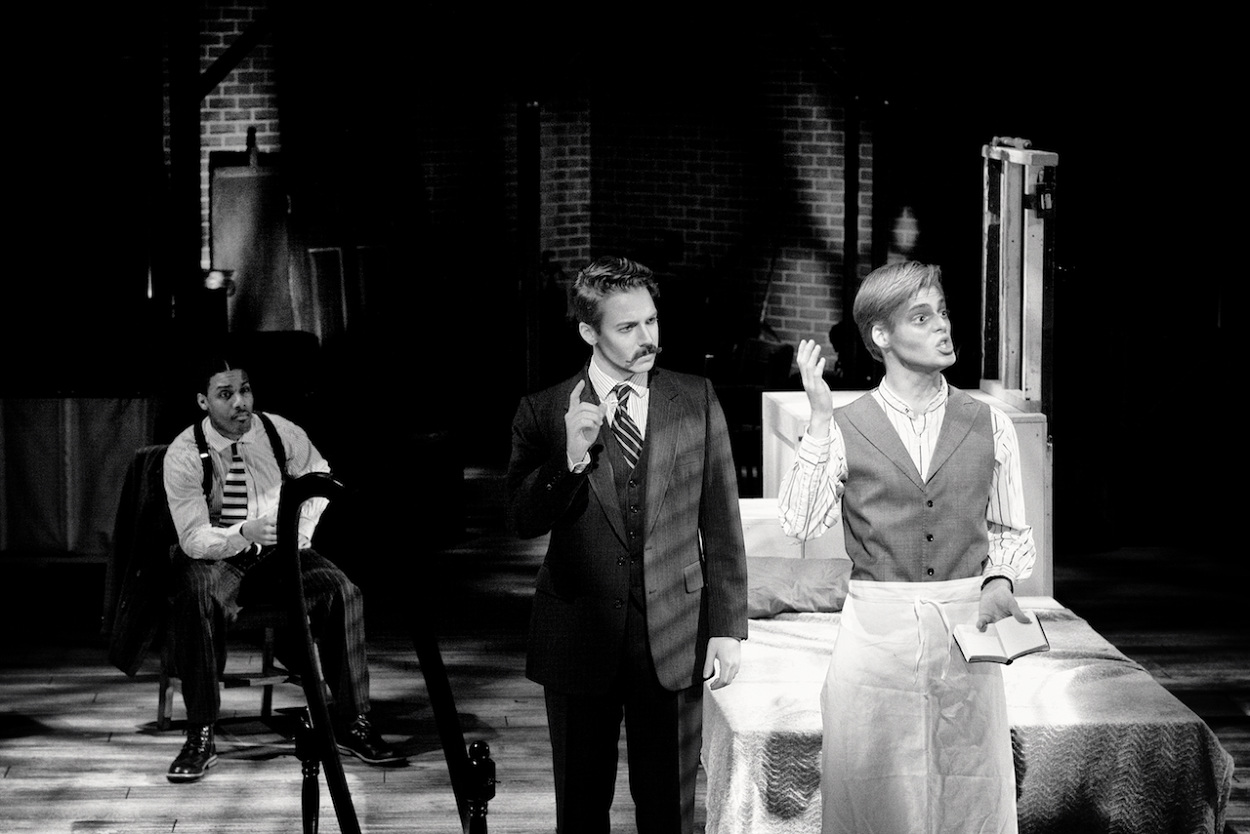
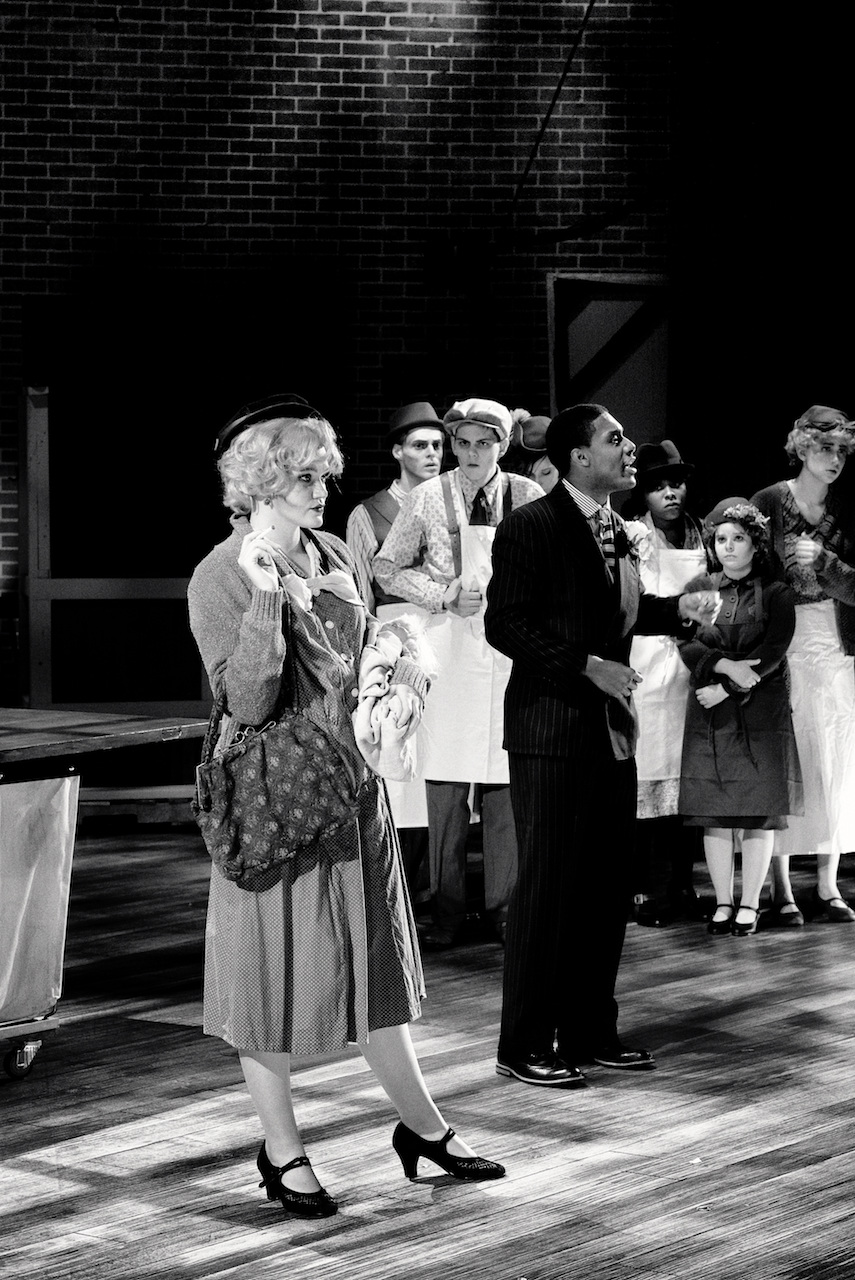
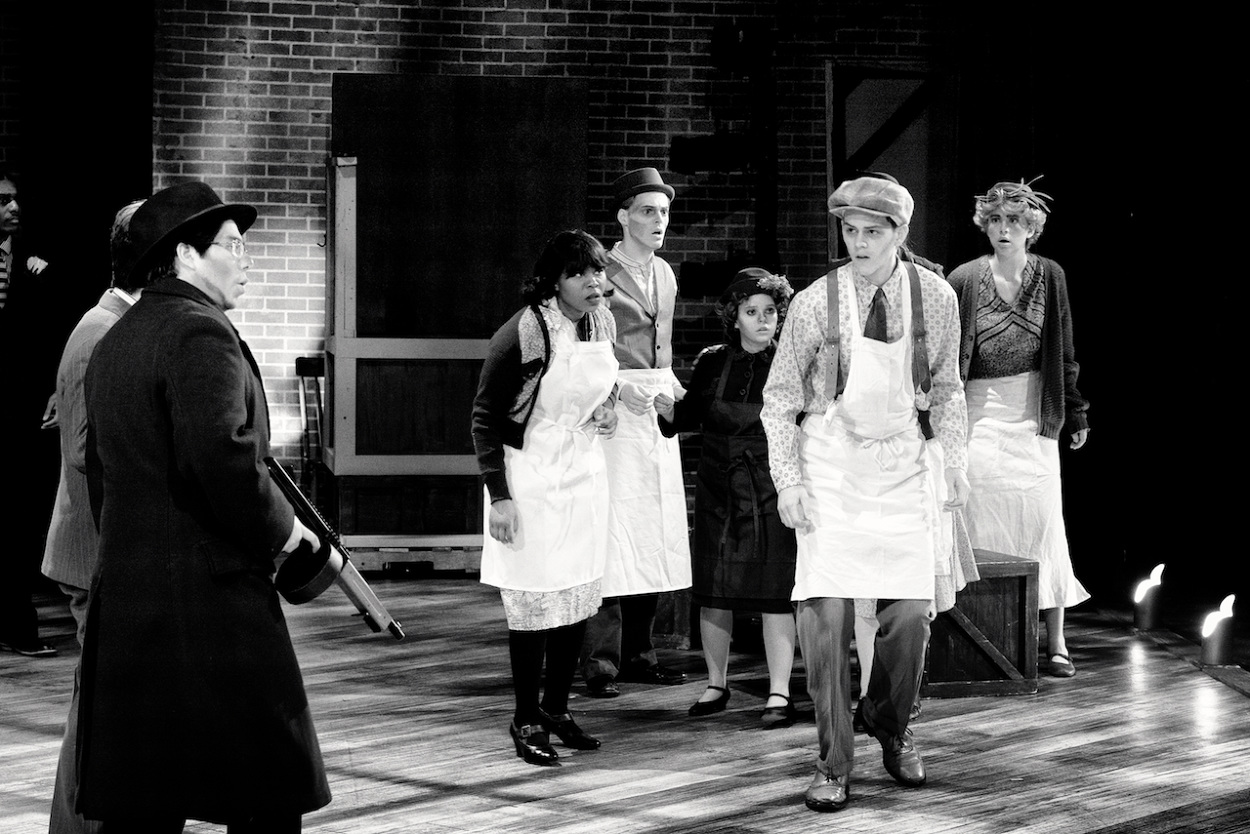
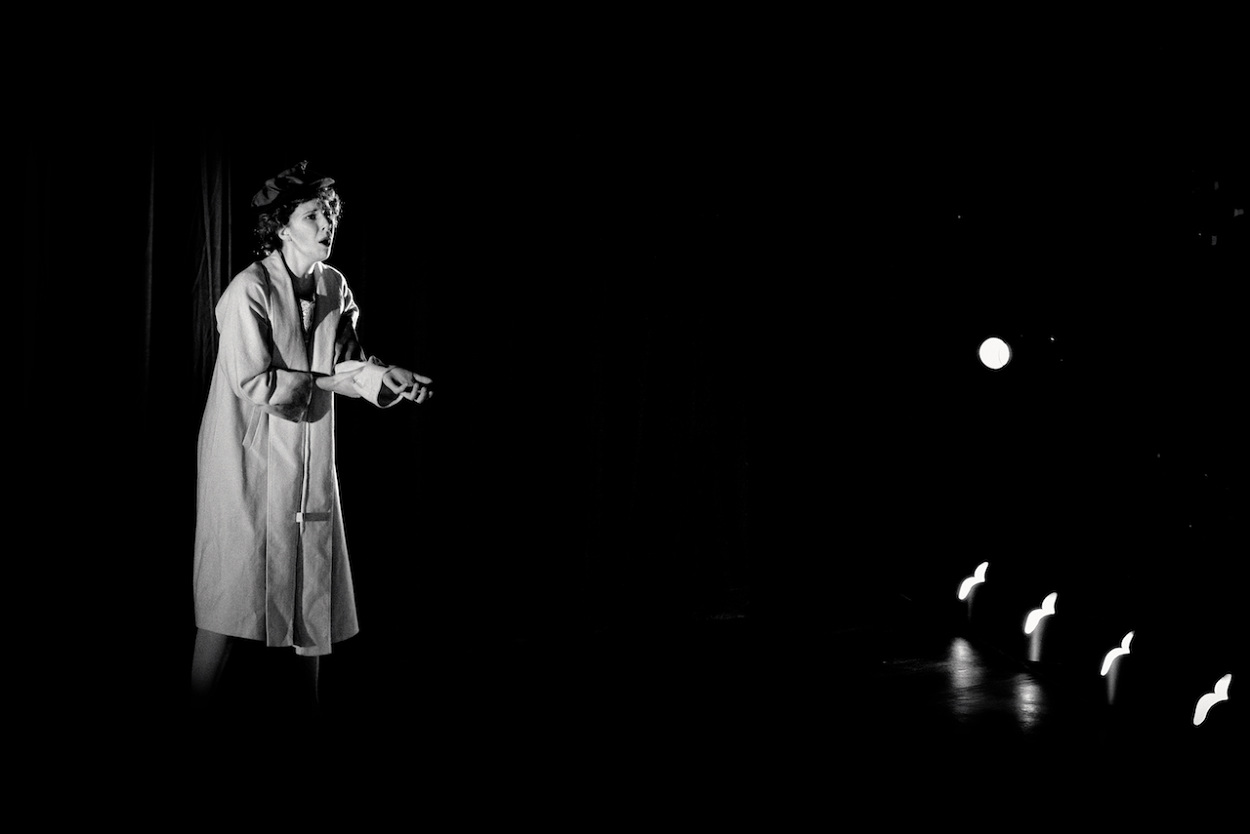
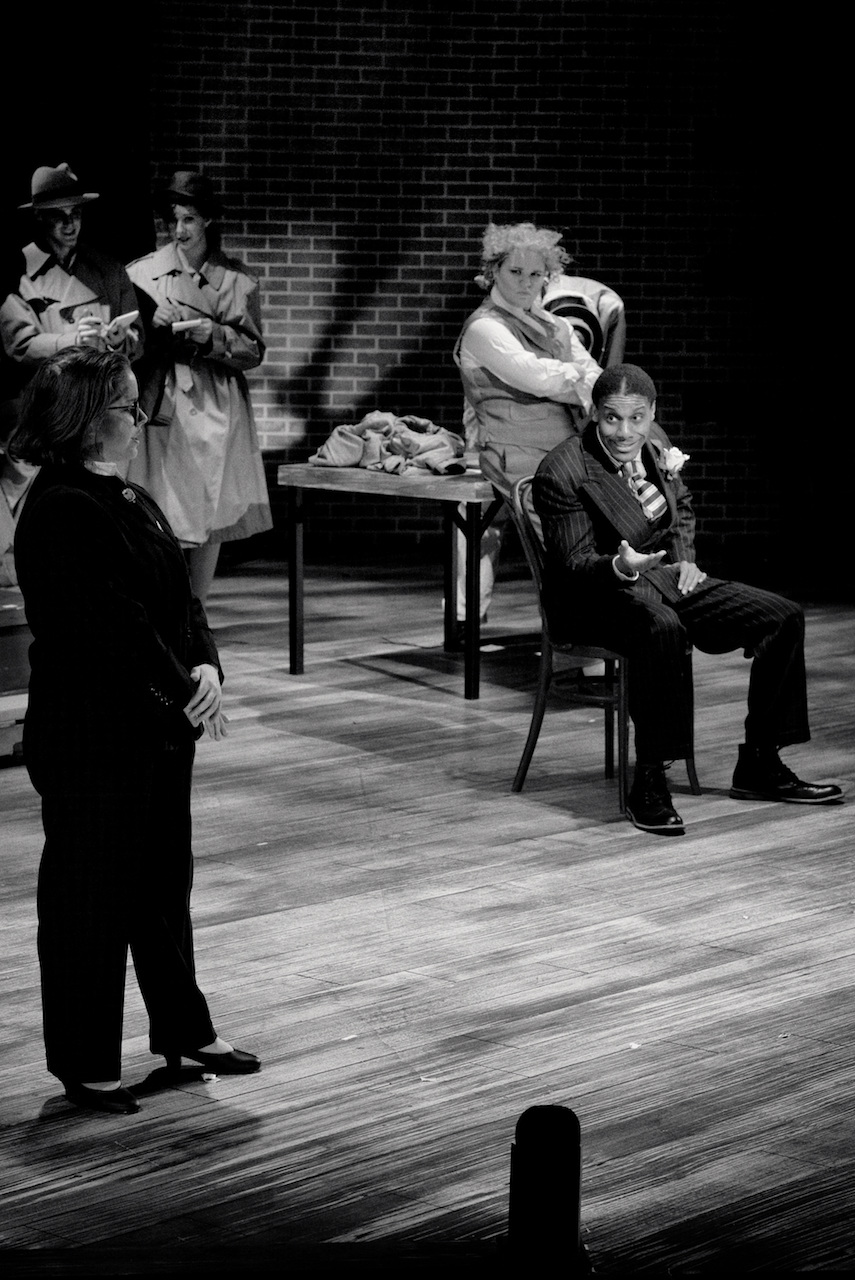
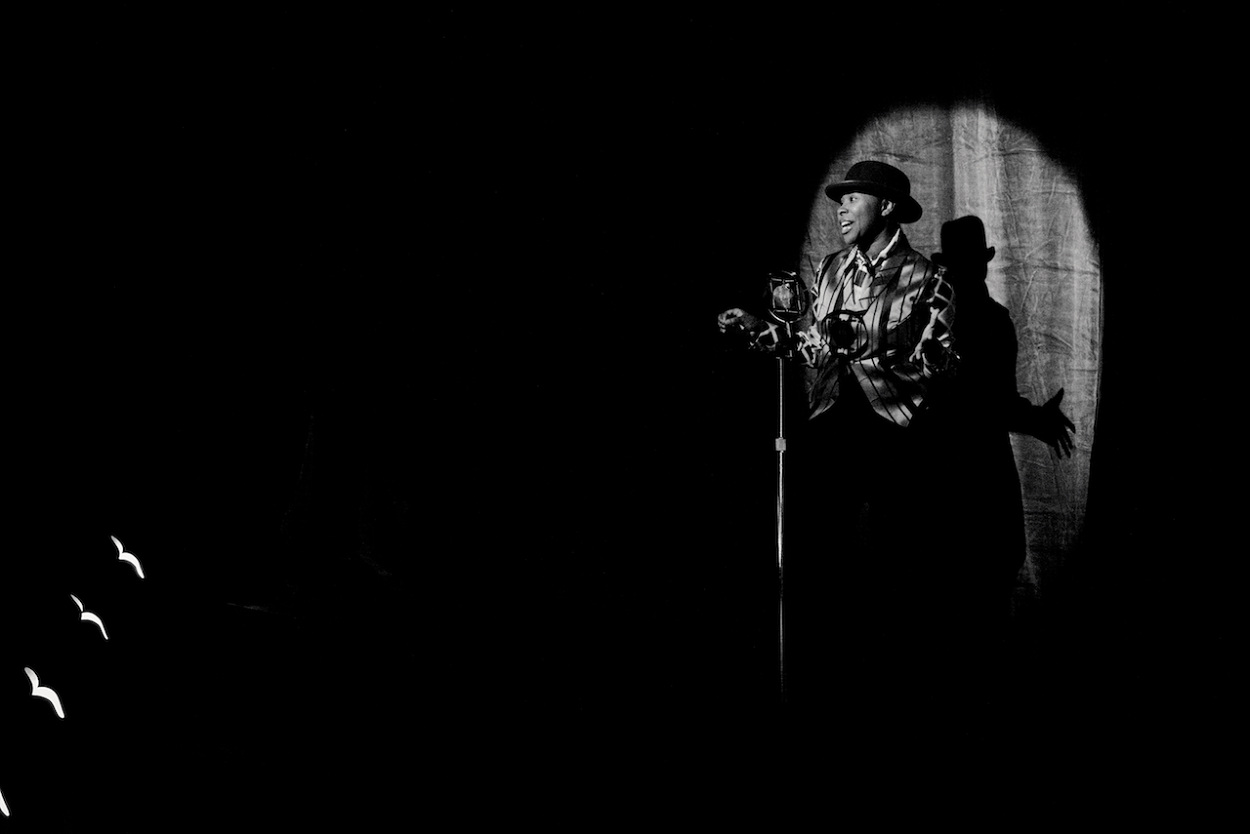
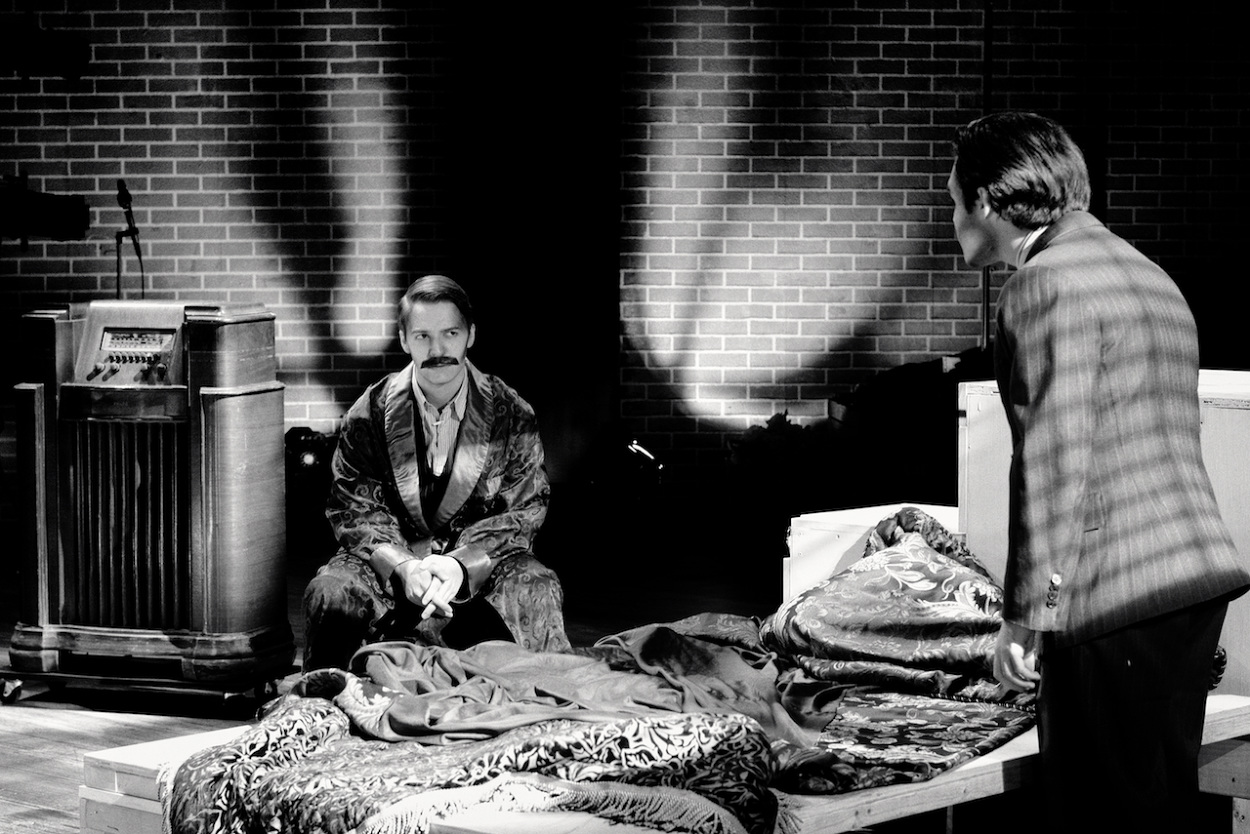
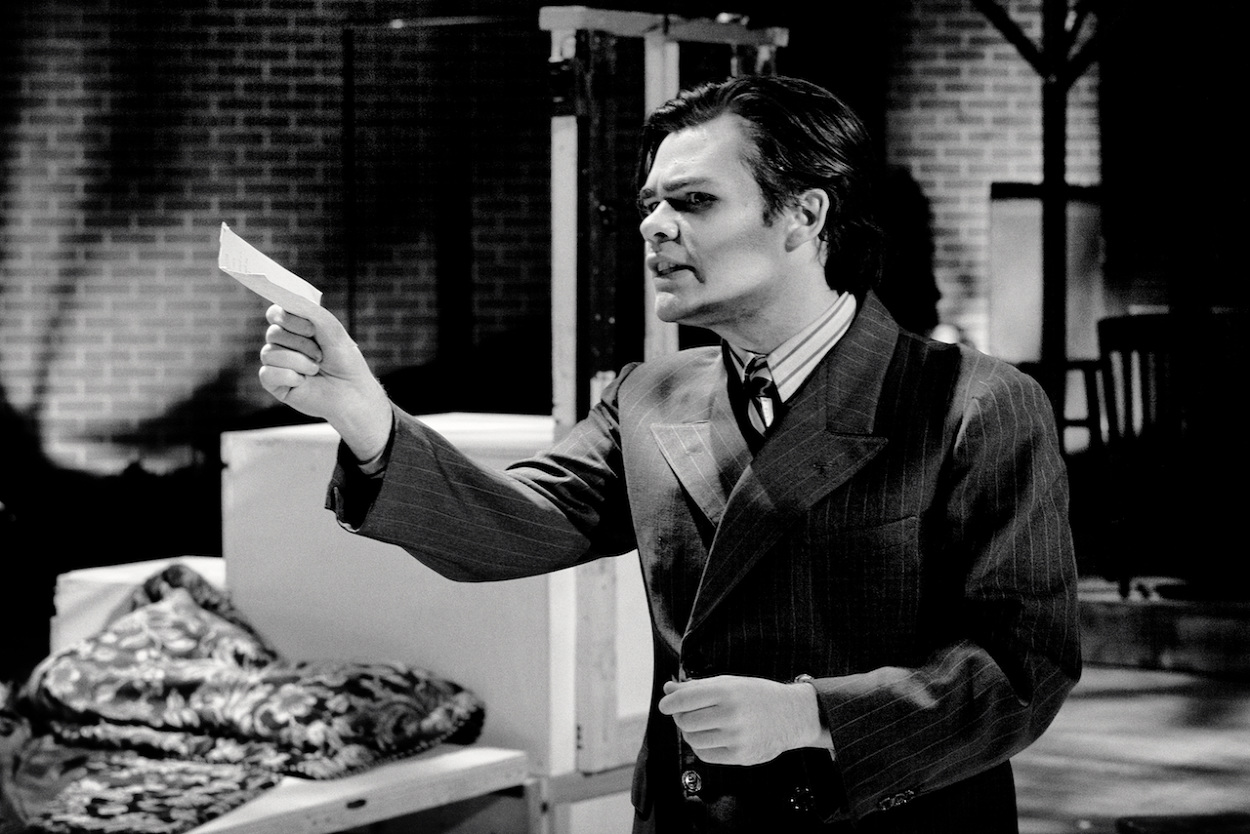
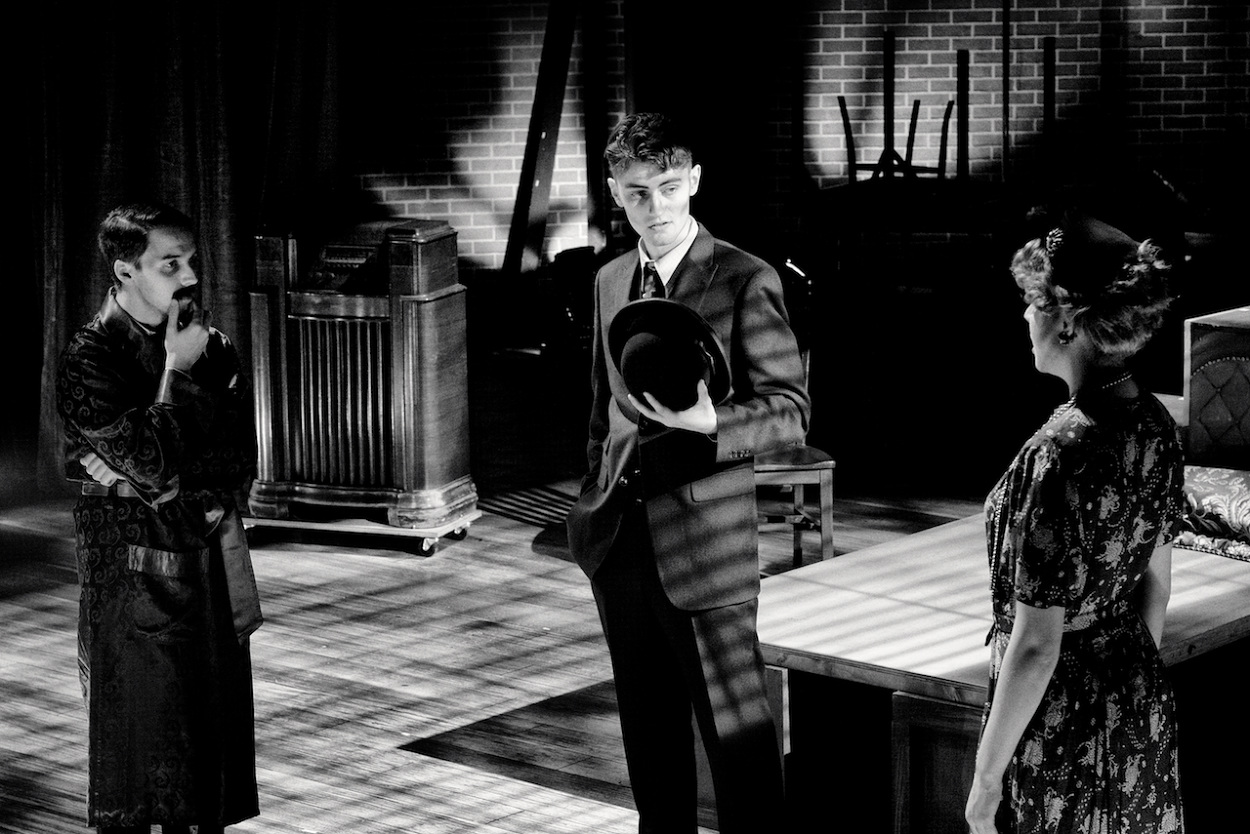
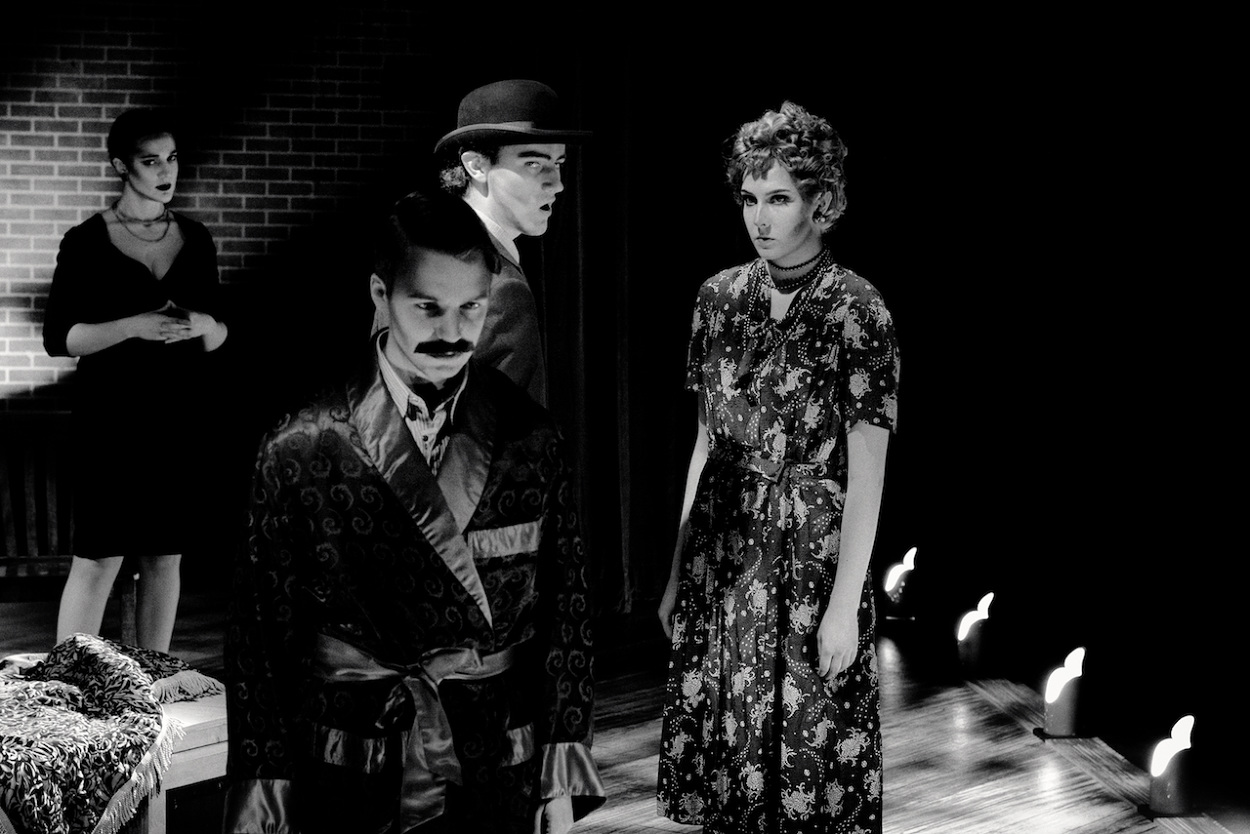
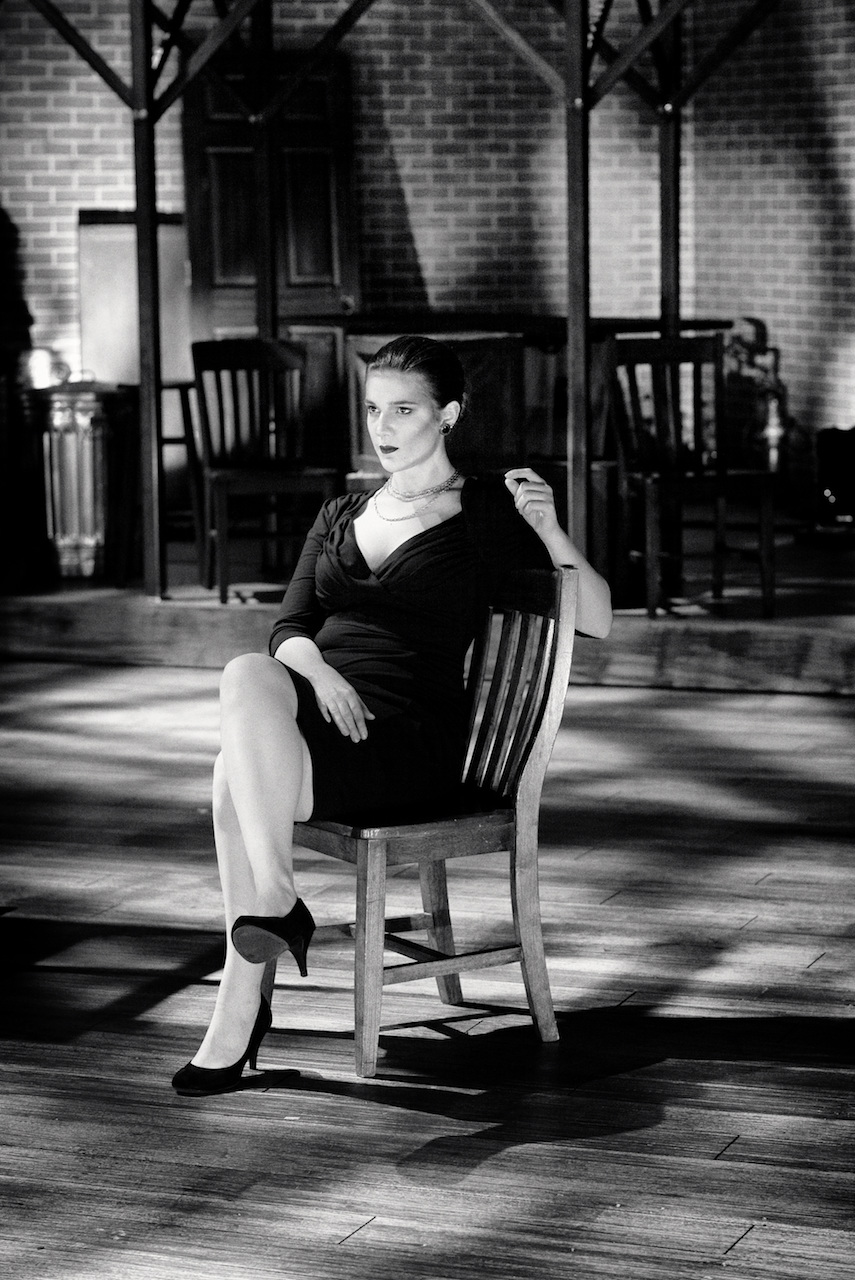
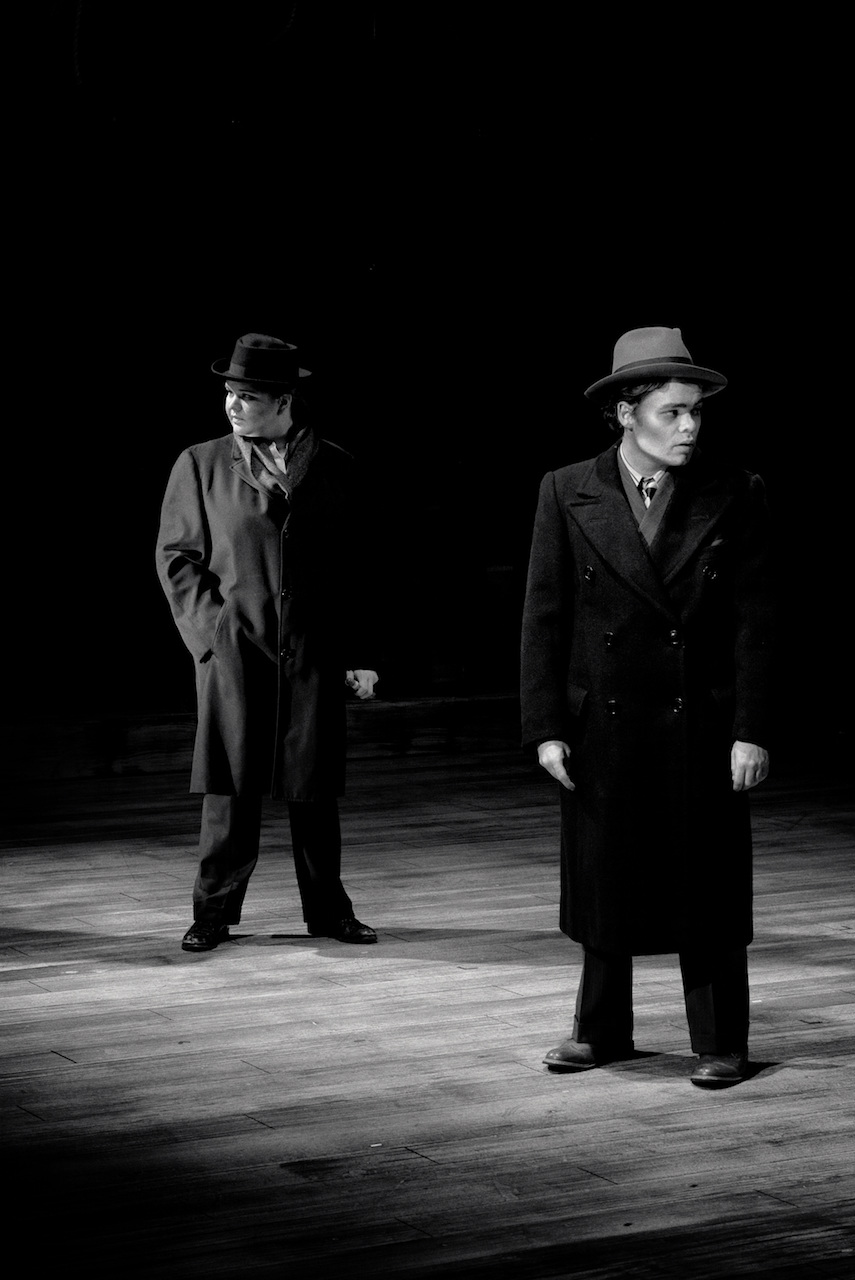
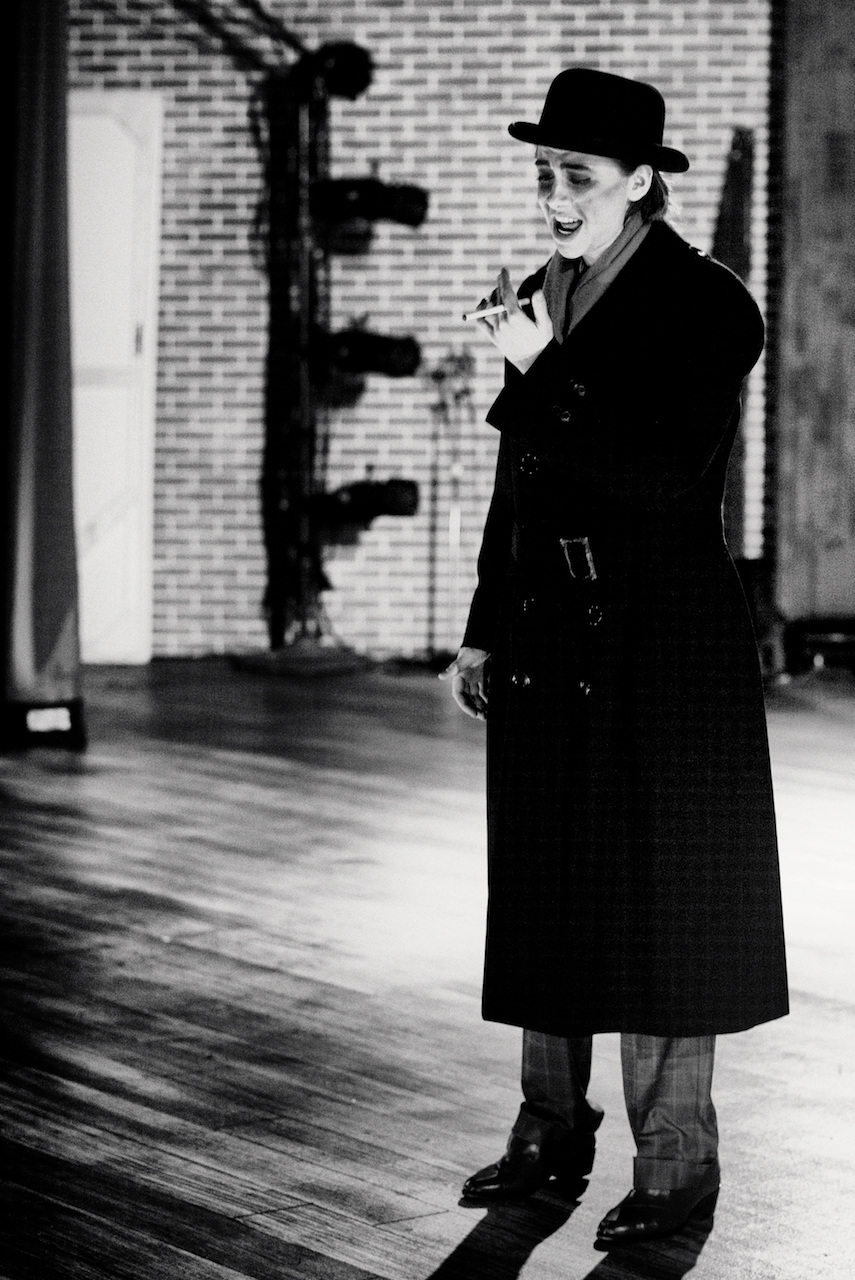
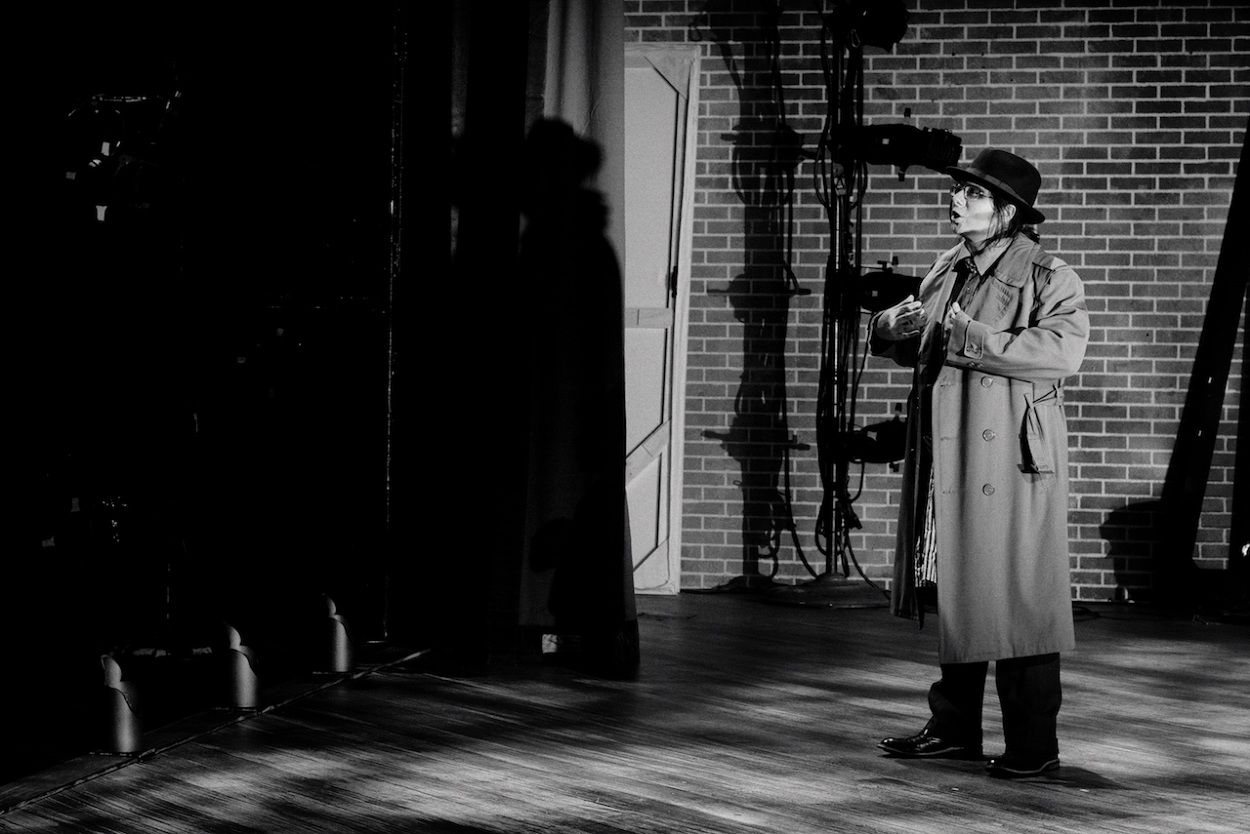
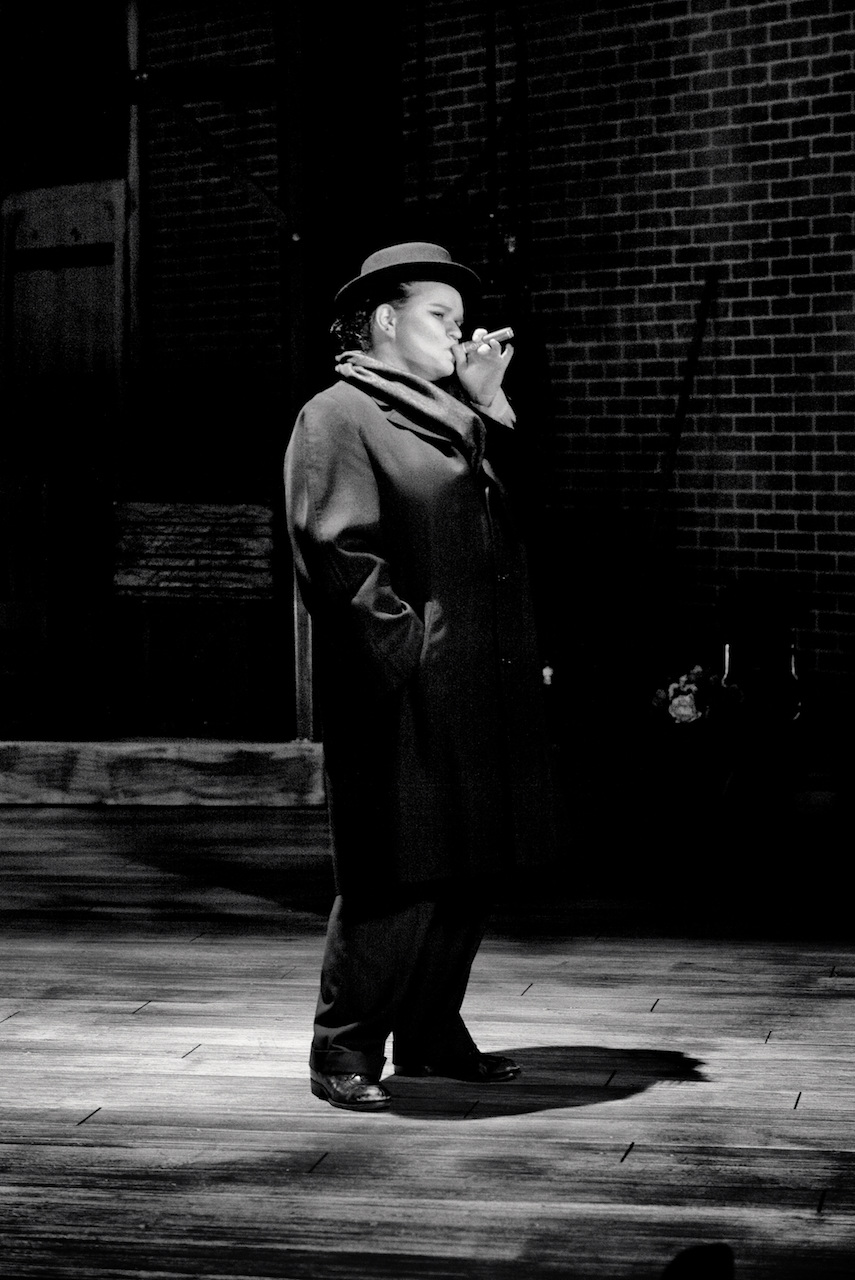
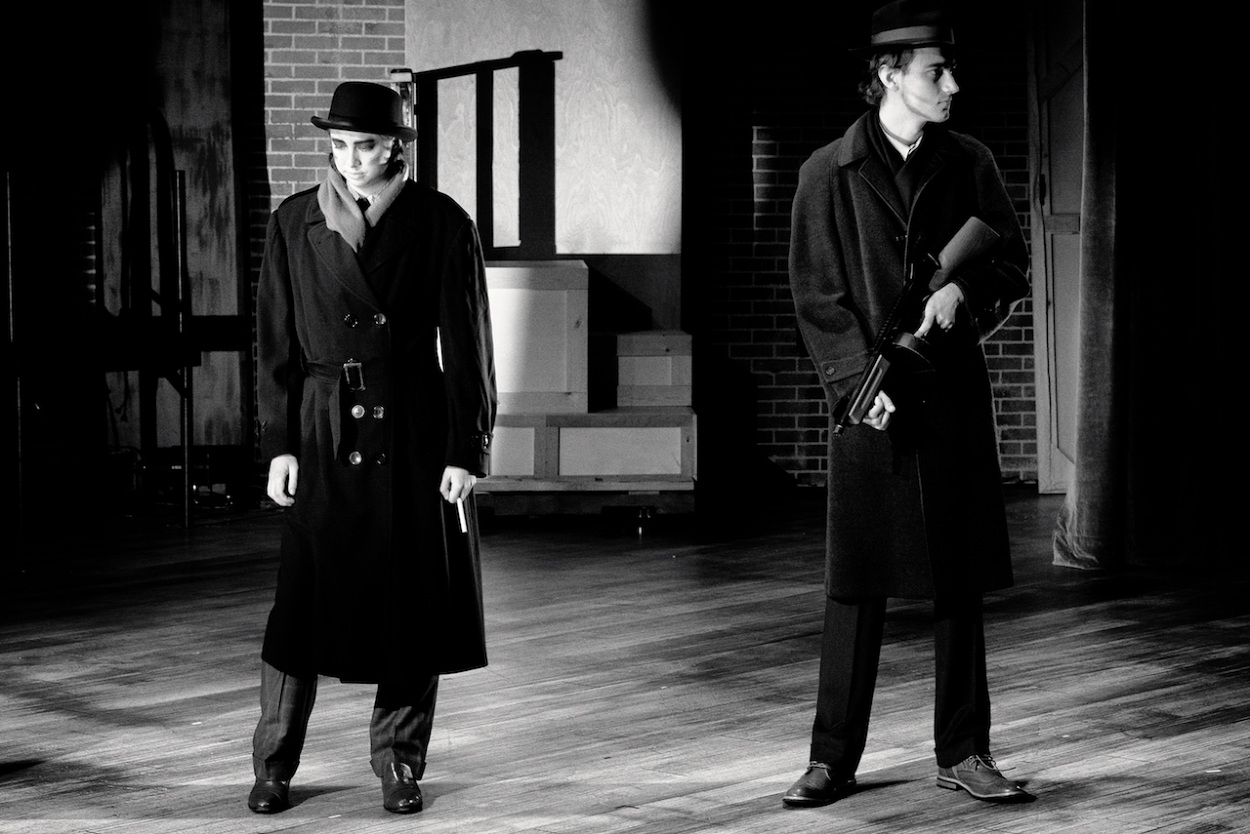
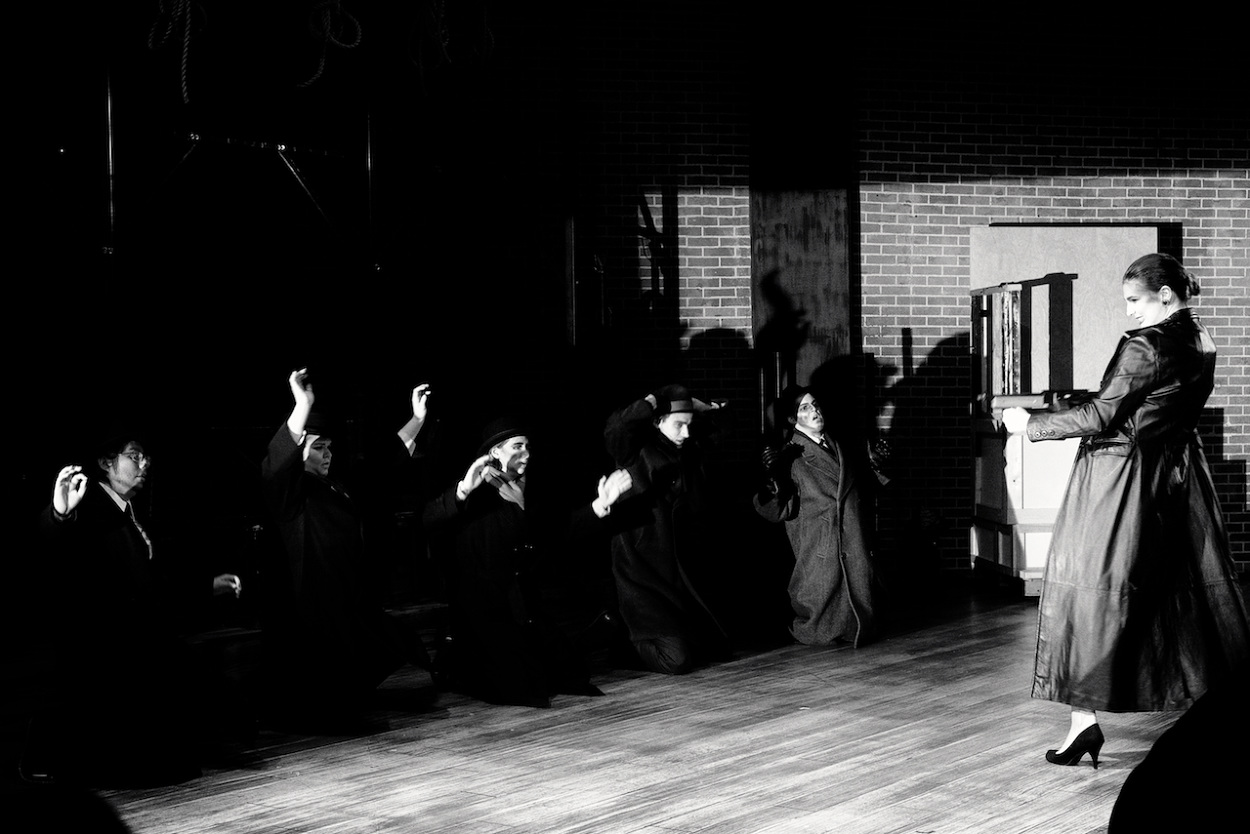
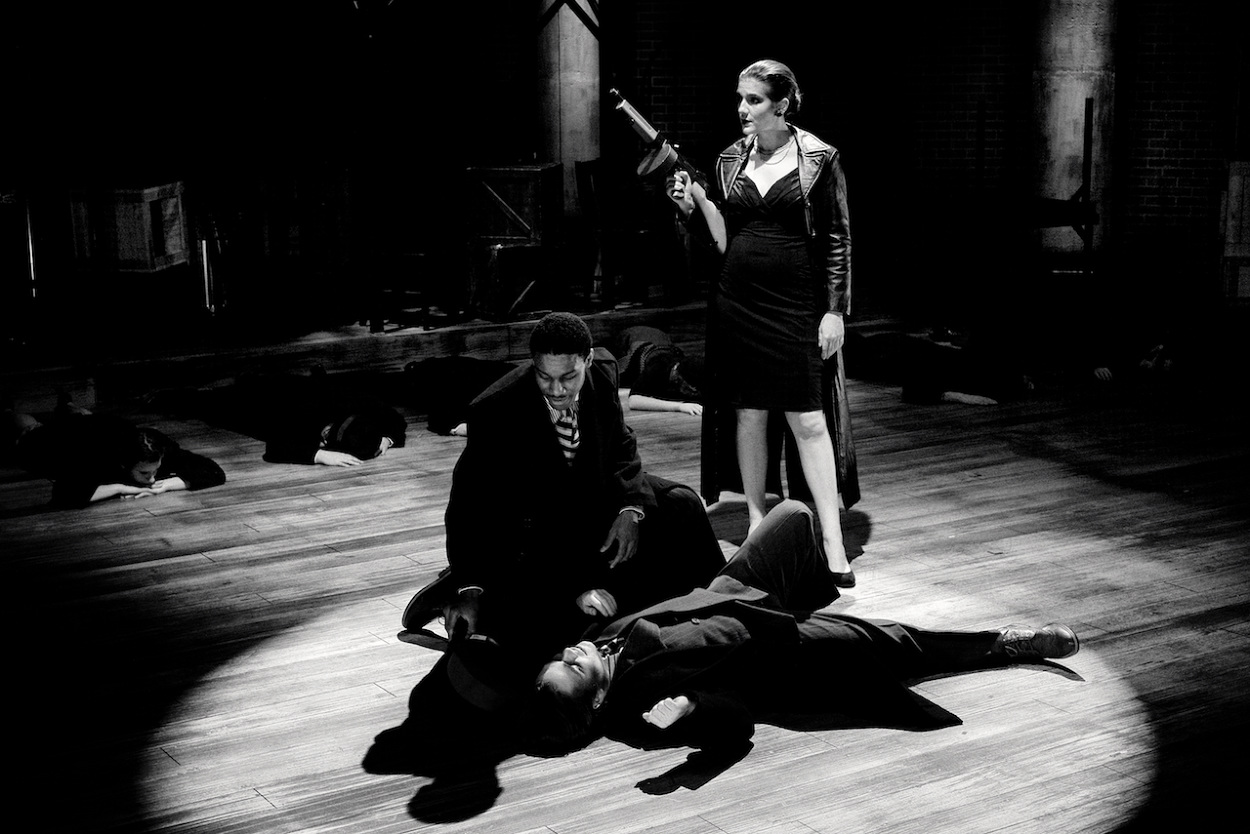
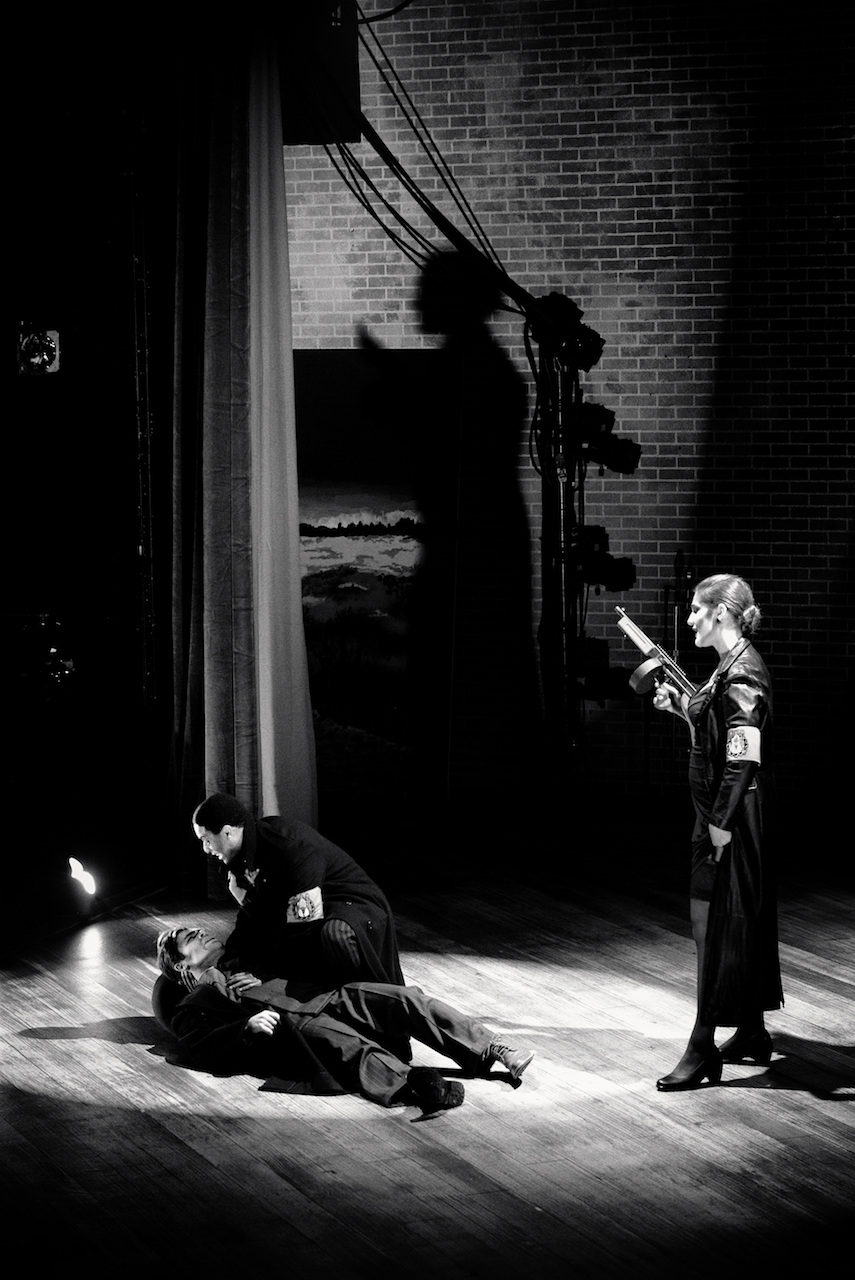
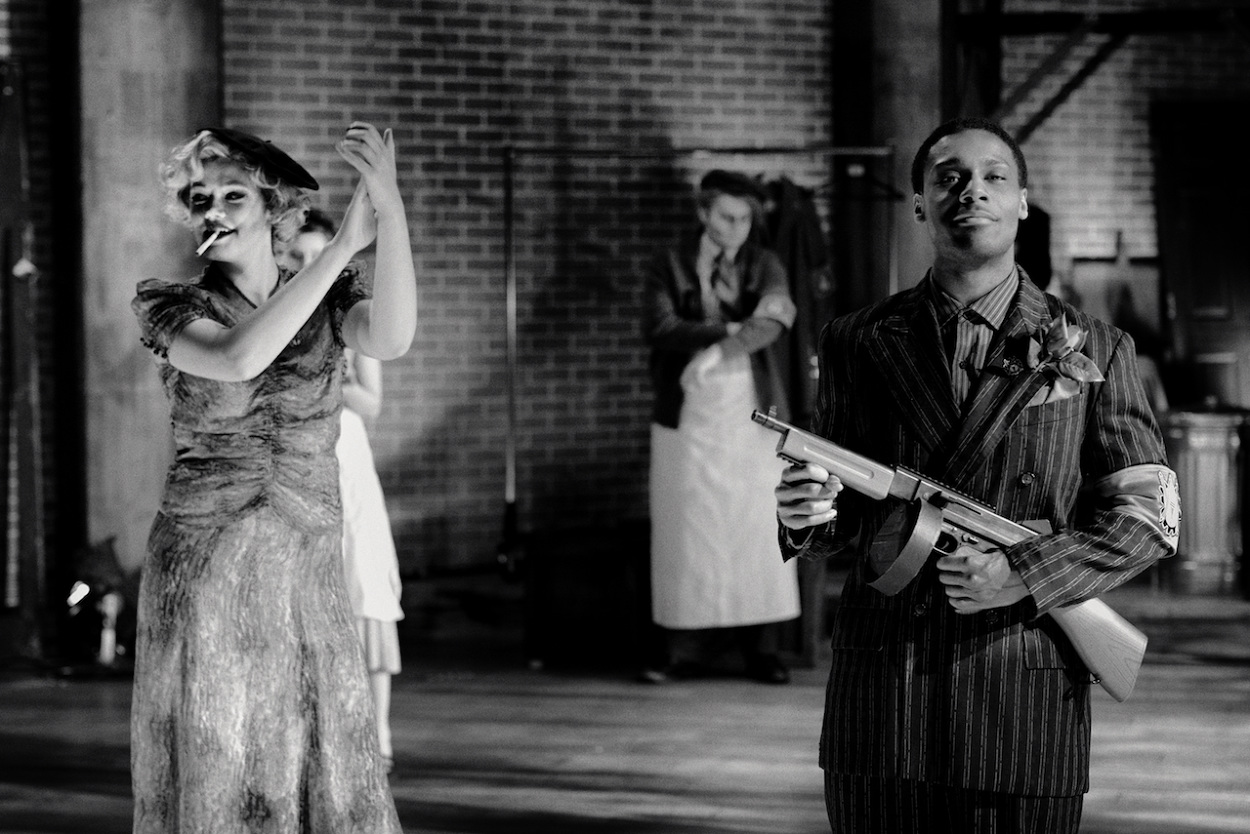
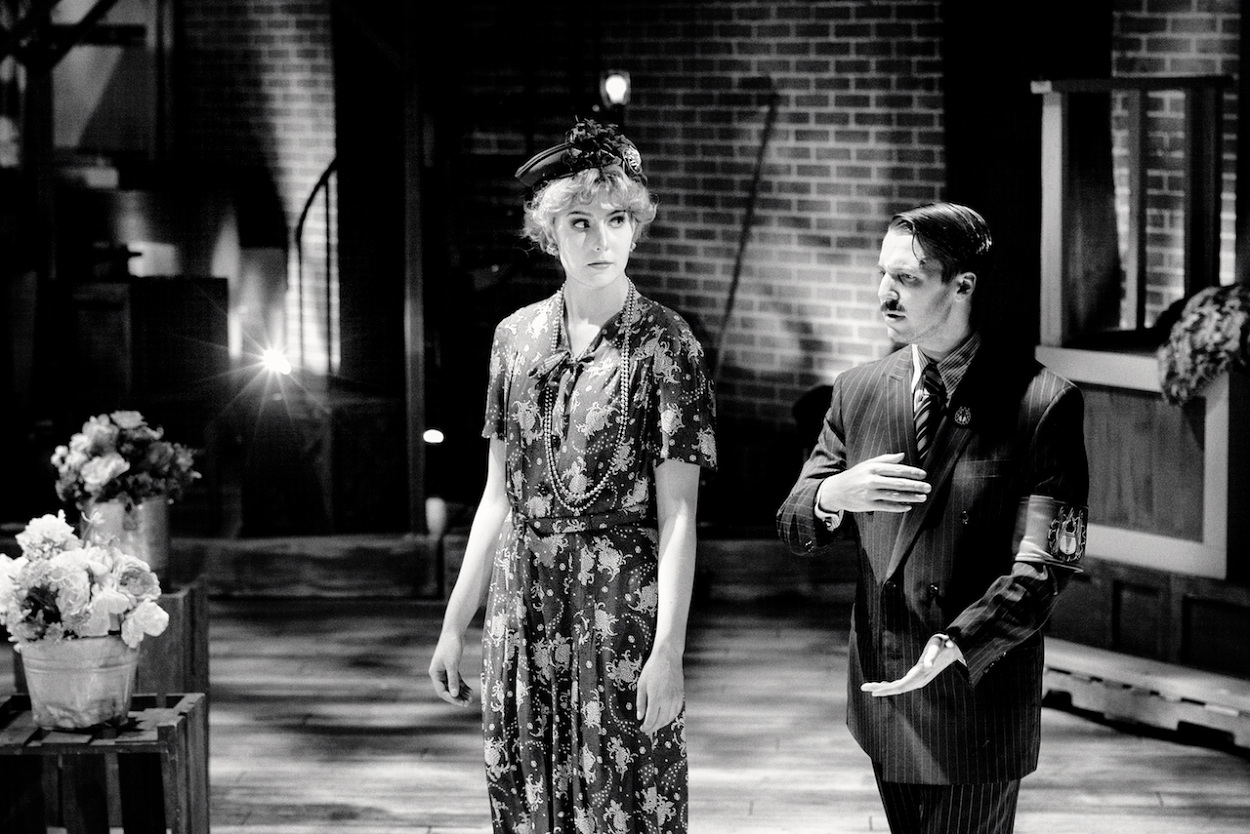
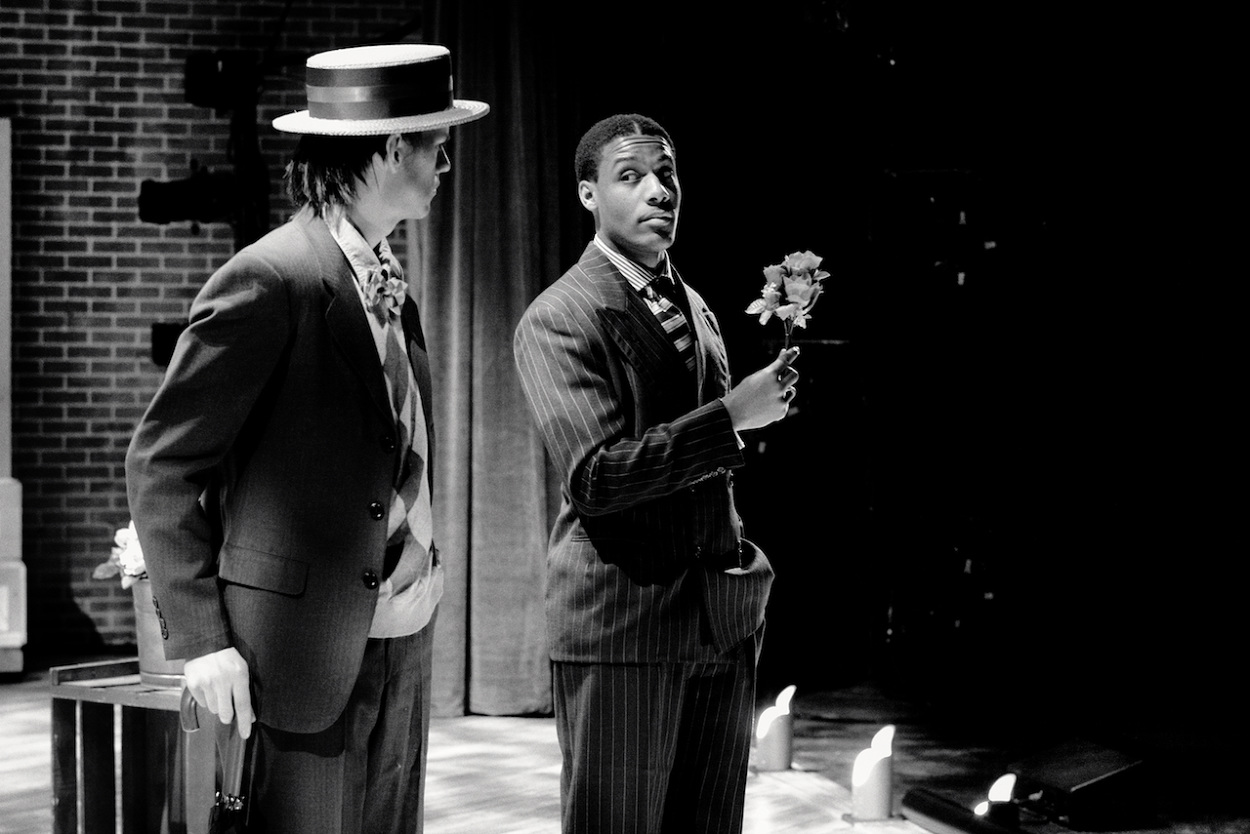
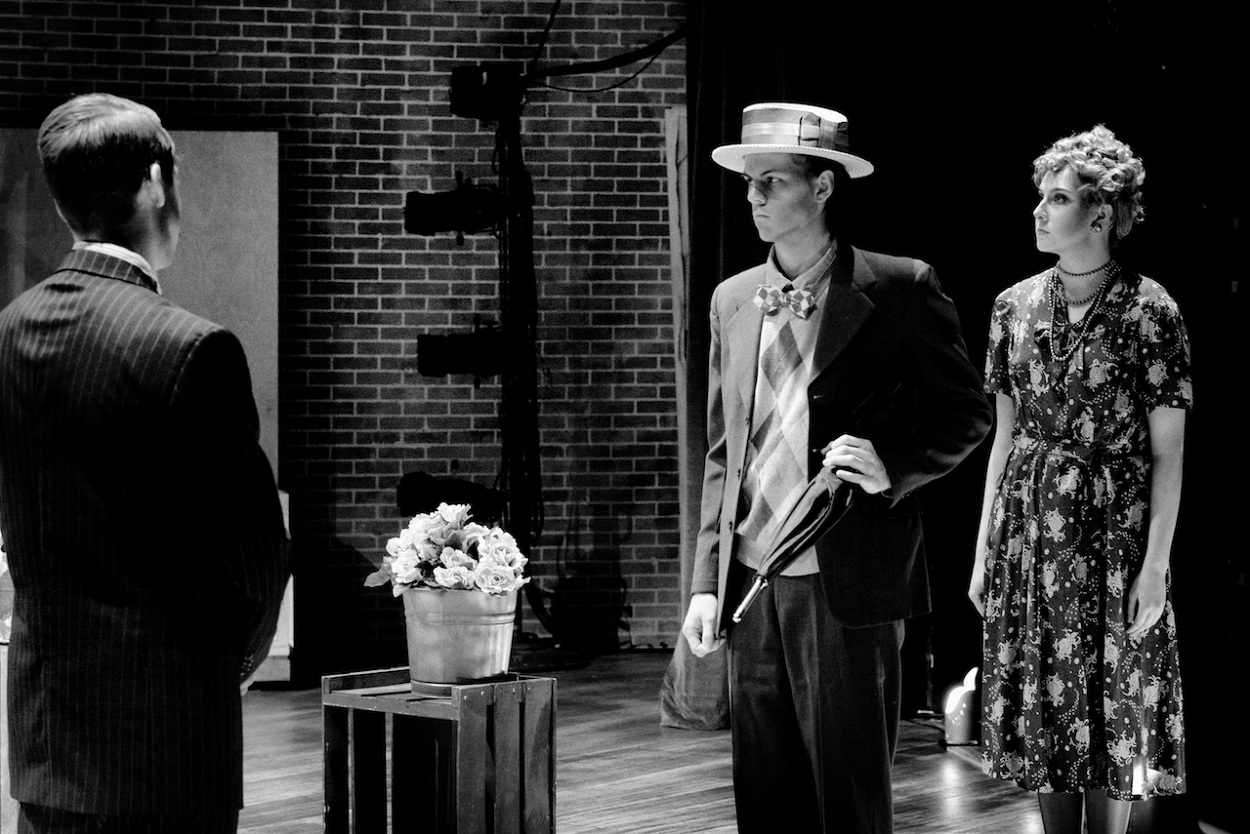
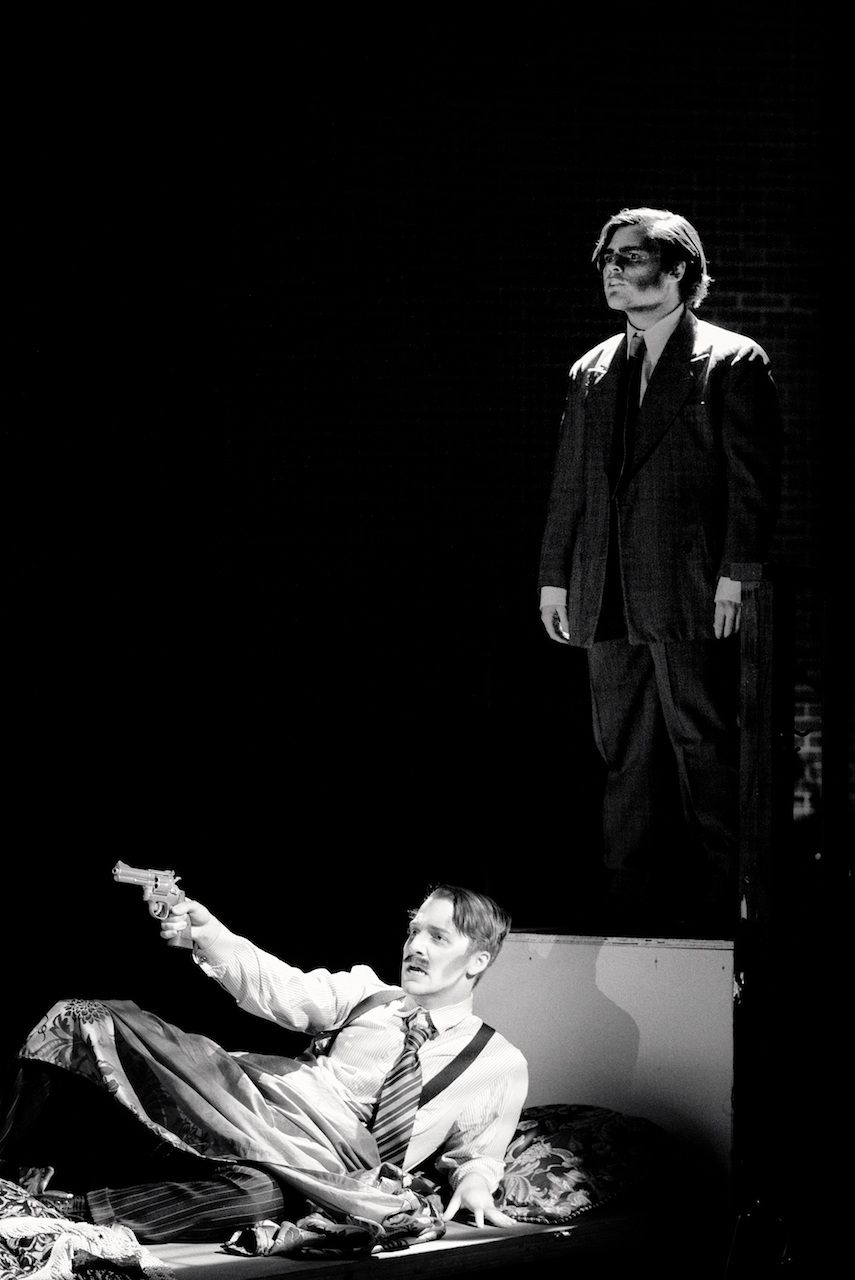
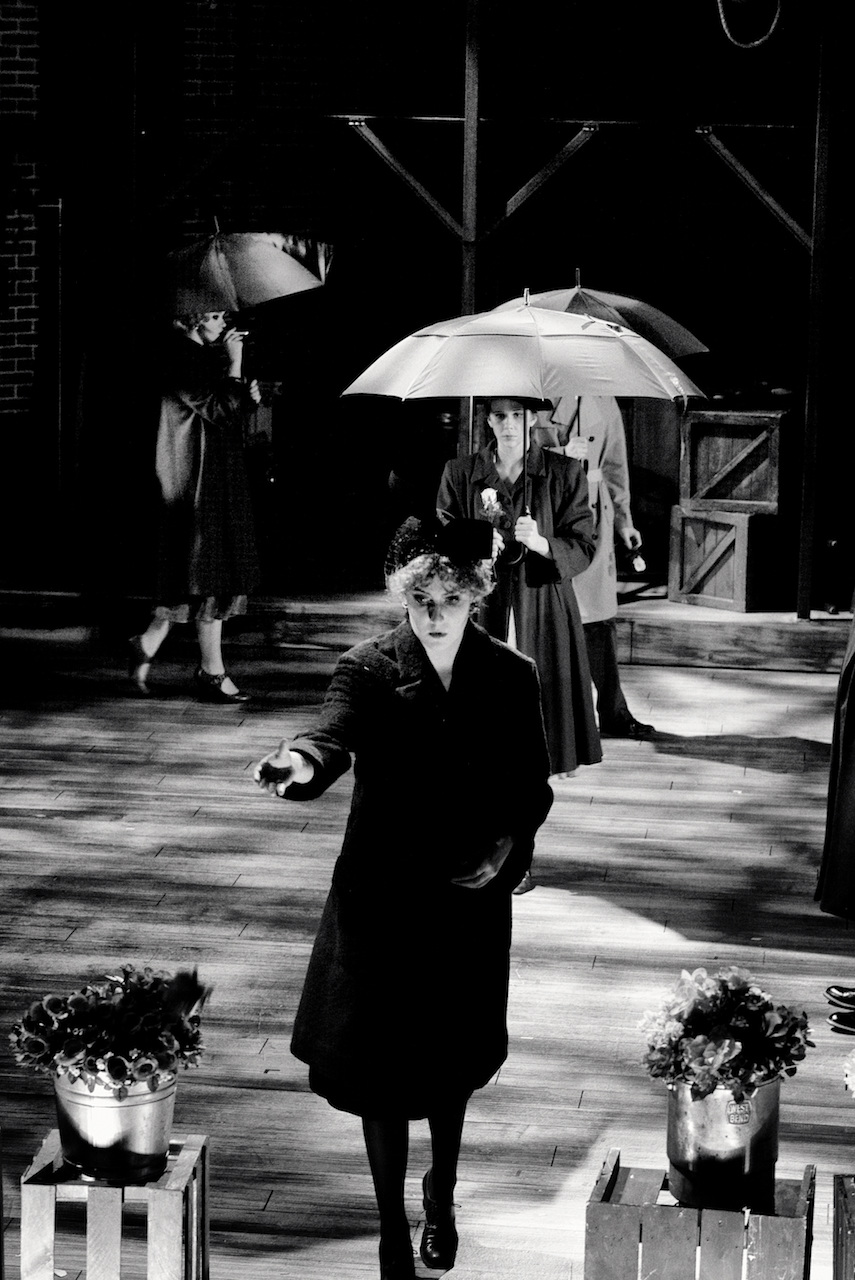
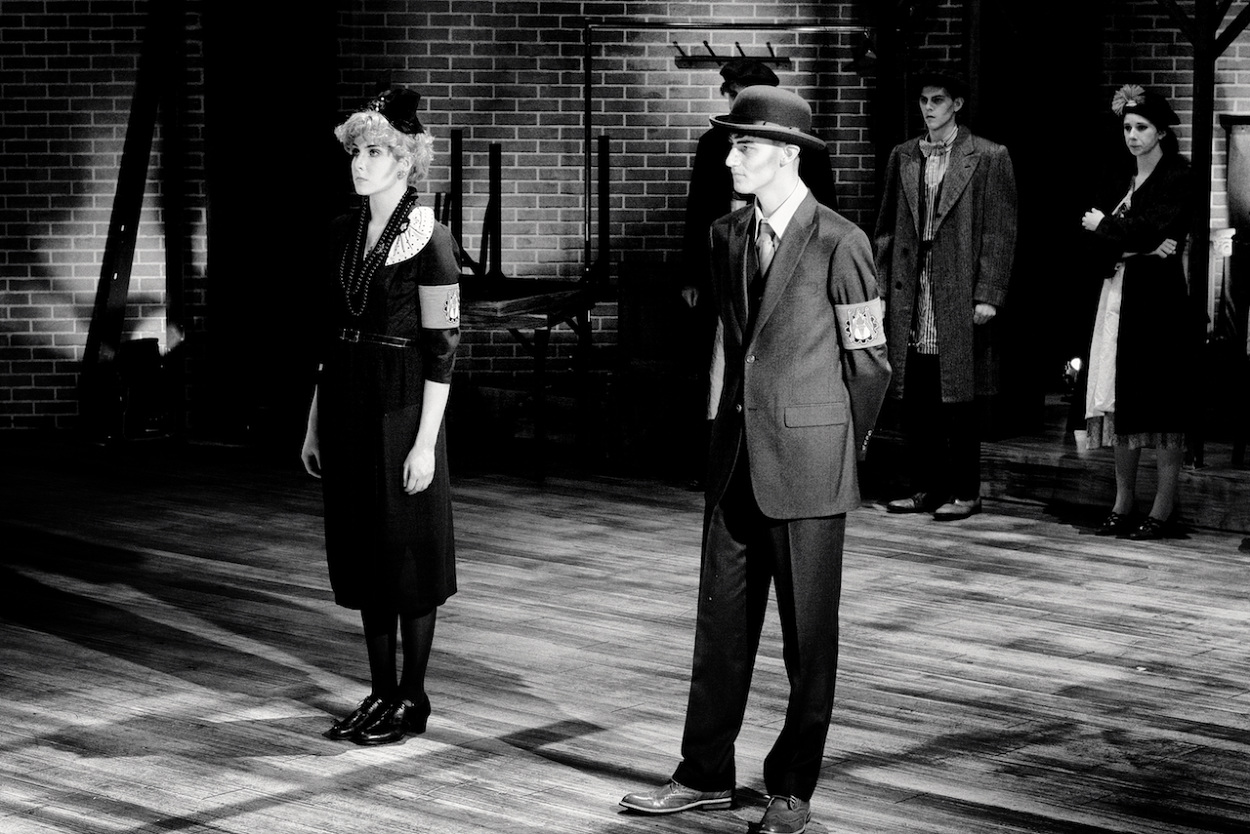
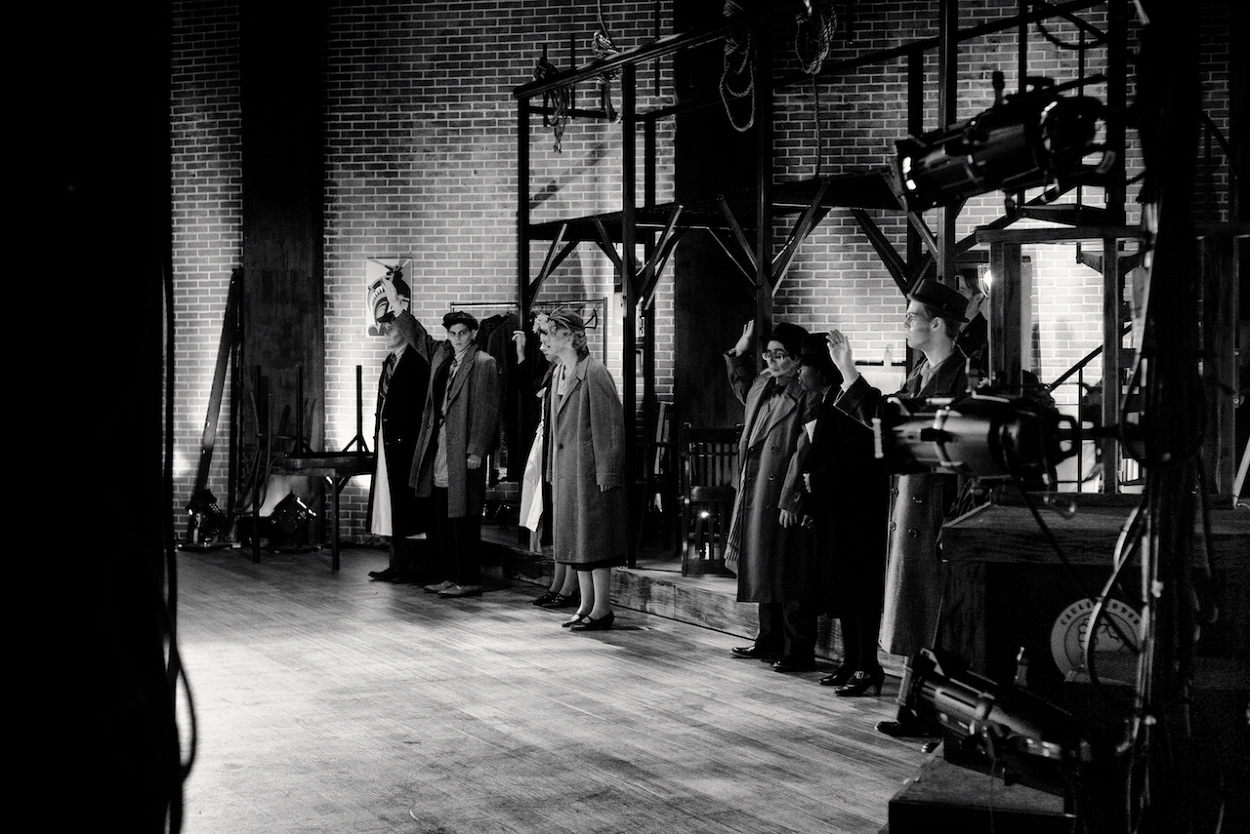
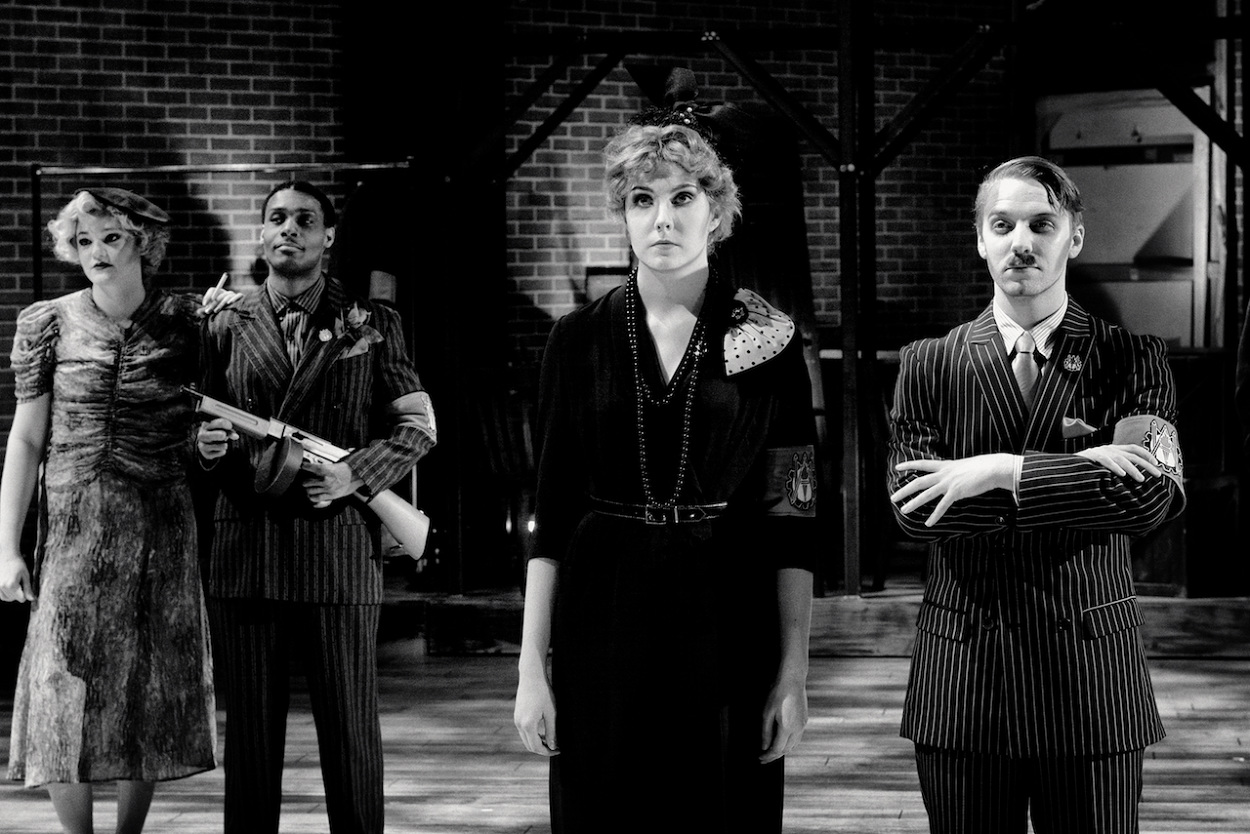
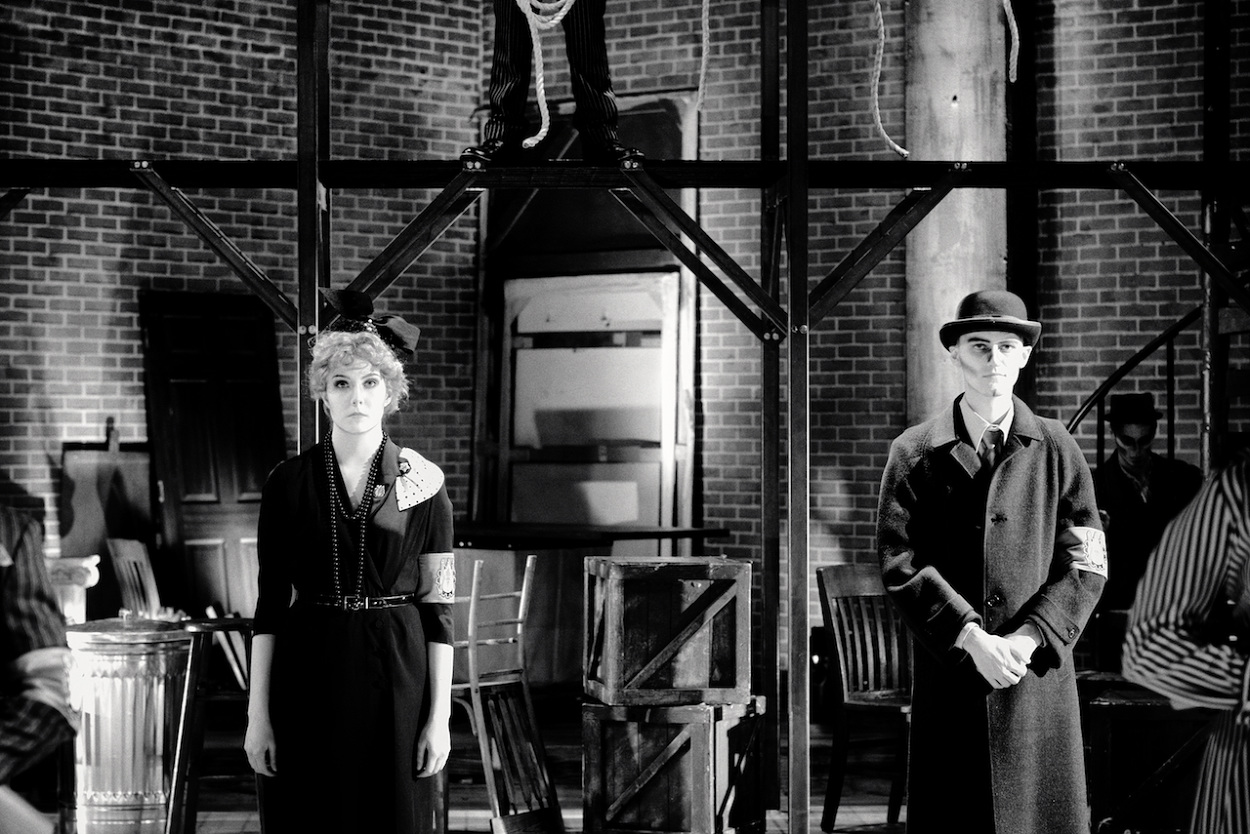
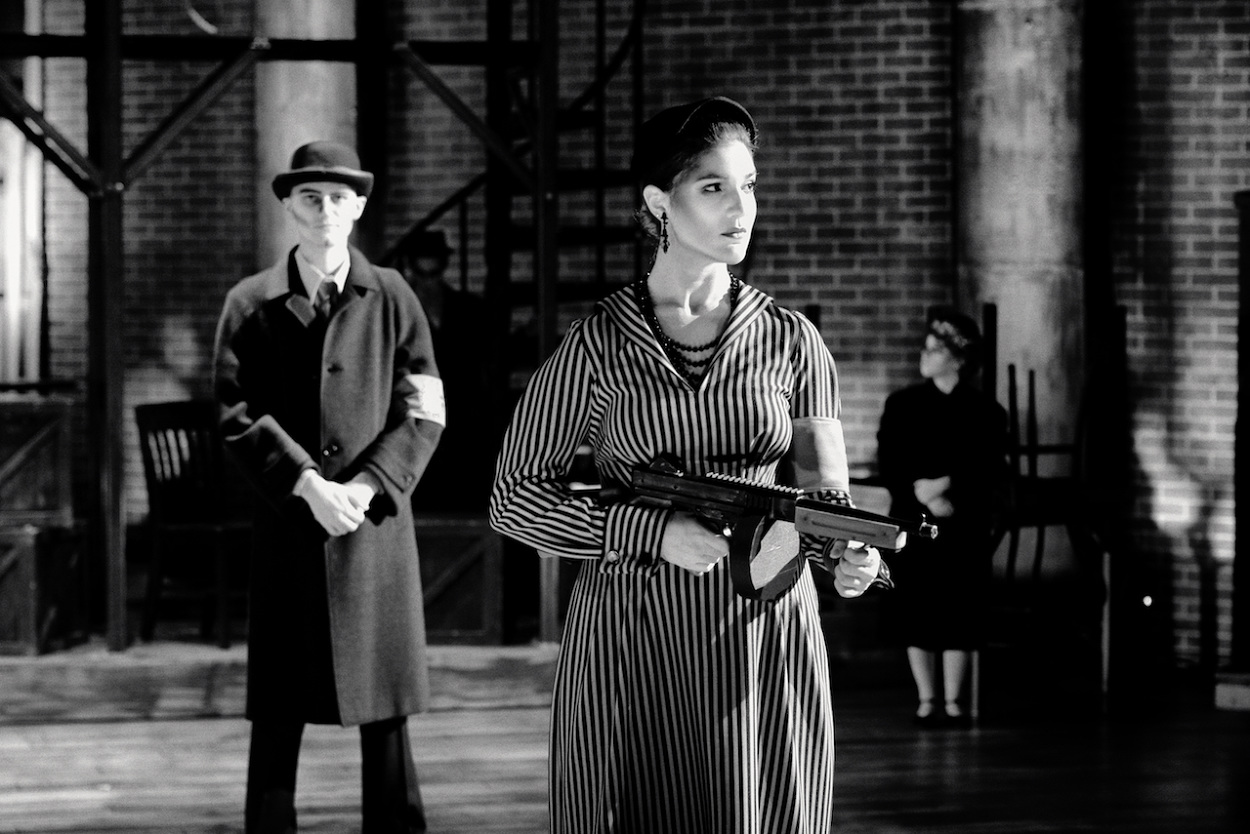
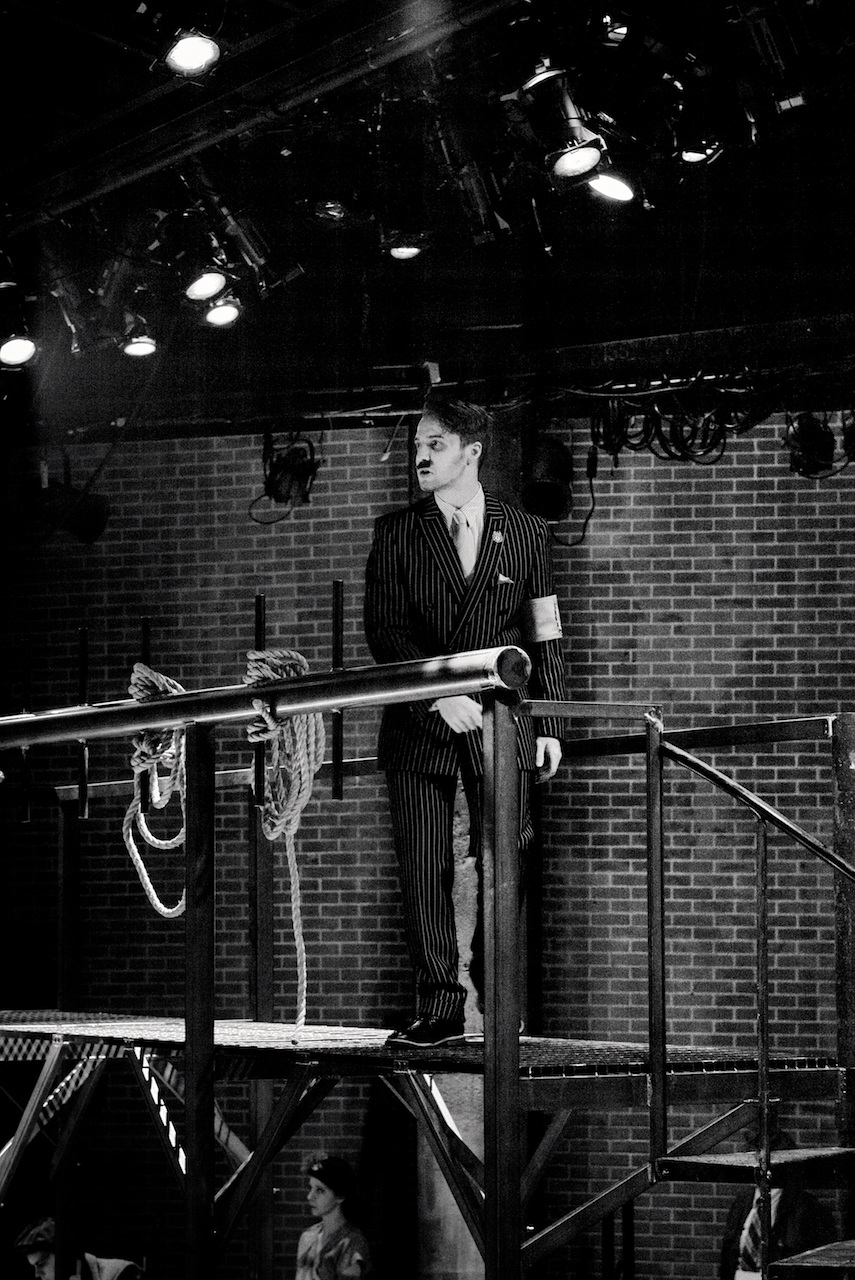
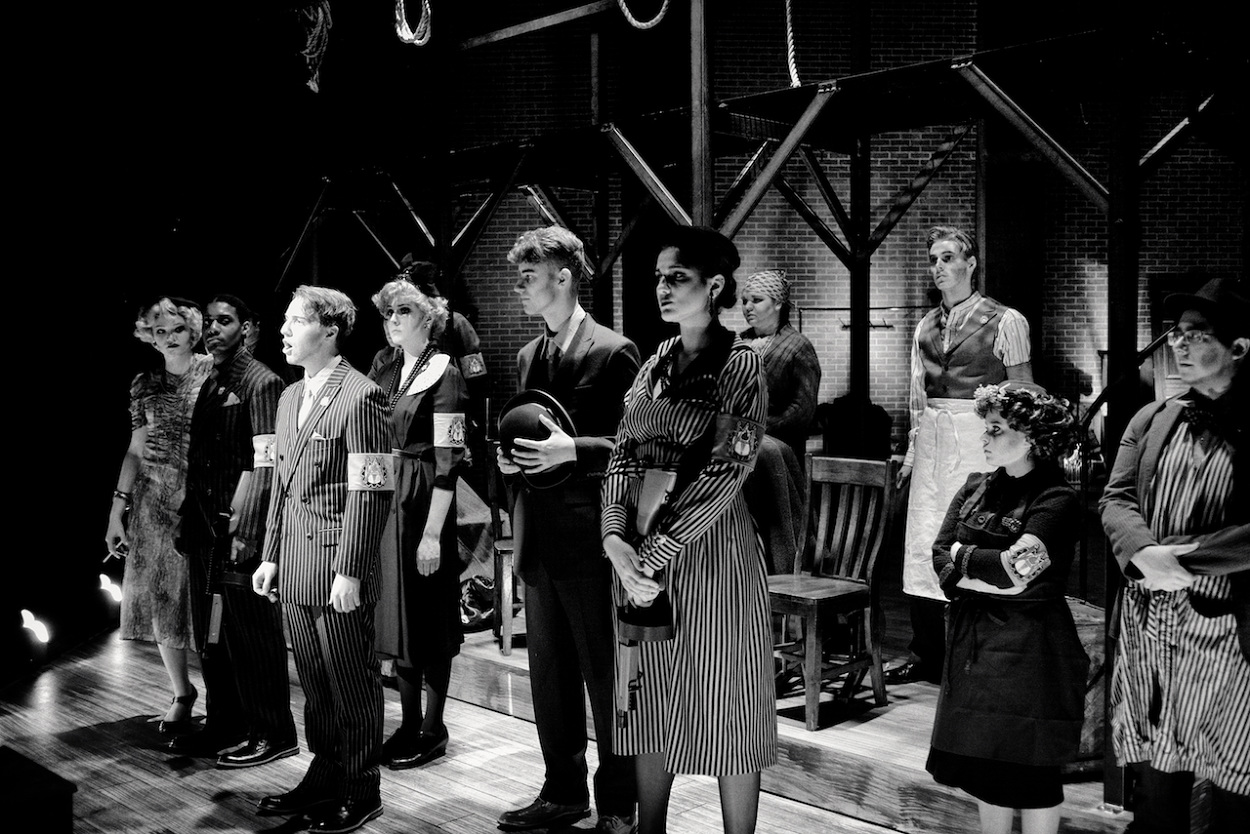
What follows is a narrative of my latest project, documenting the production of The Resistible Rise of Arturo Ui. The play is being put on by the Department of Theatre and Drama, at the University of Wisconsin Madison. All actors are students, each brining various levels of experience. I’d been interested in doing a behind-the-scenes project with a play here for sometime. I approached Jim Stauffer, a professor in the department, and explained what I was interested in doing. He told me about the play and its political nature, which immediately drew me in. After meeting with Shad Willingham, the director, he was onboard, excited to have the production documented. In addition, he too felt black and white would capture the noir feeling of the play.
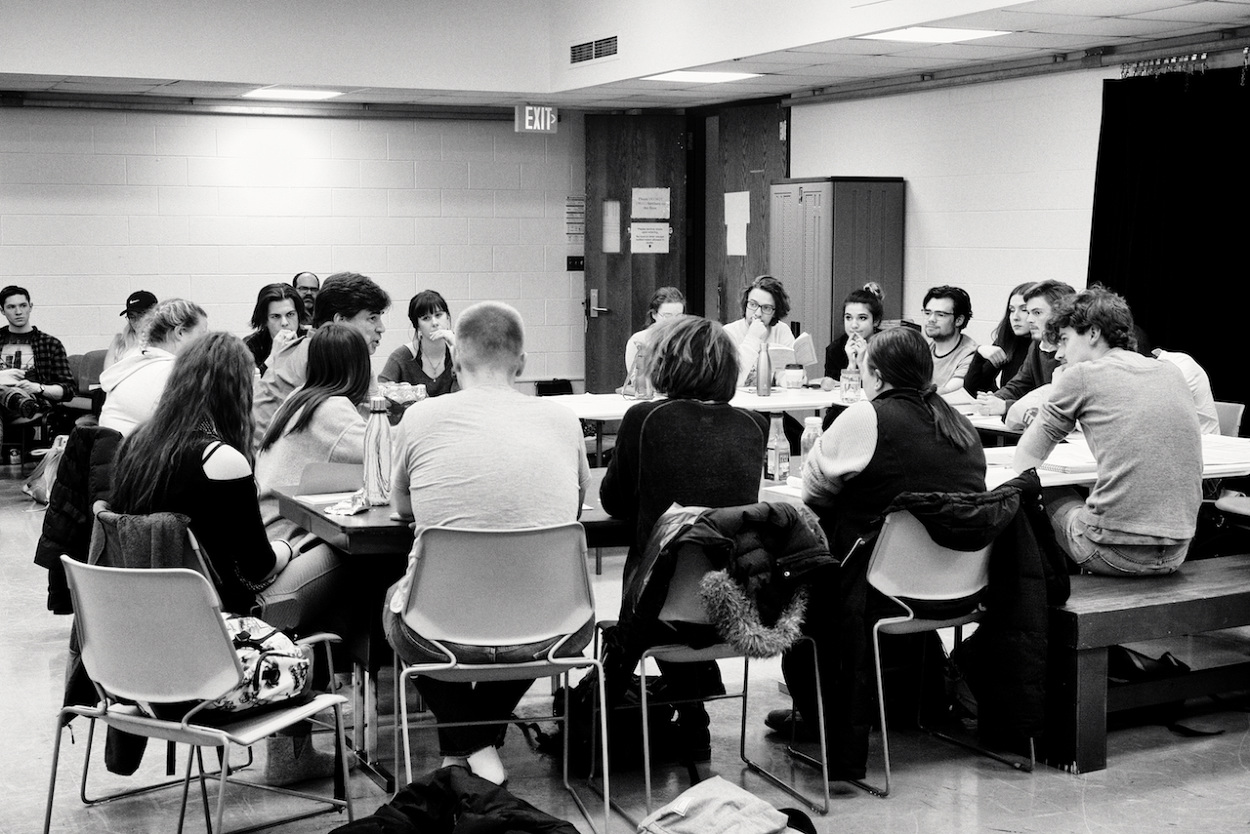
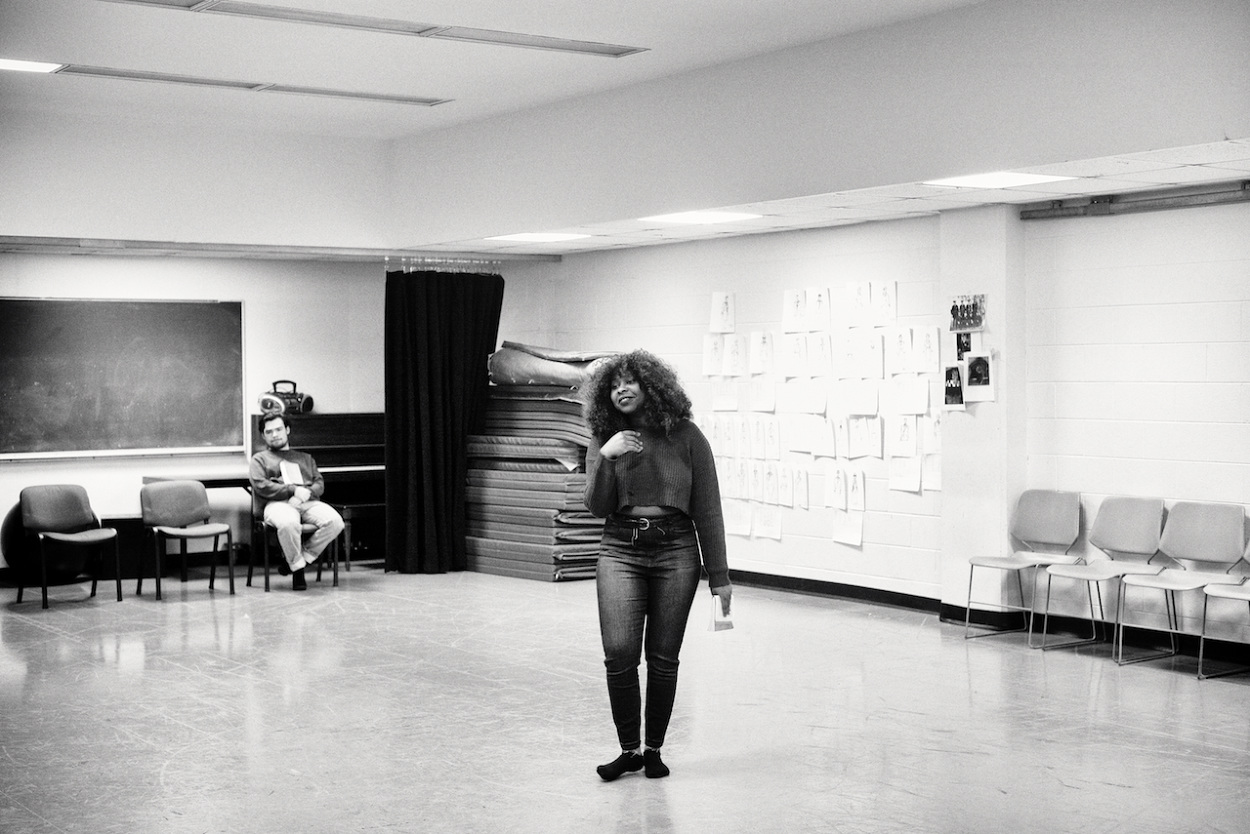
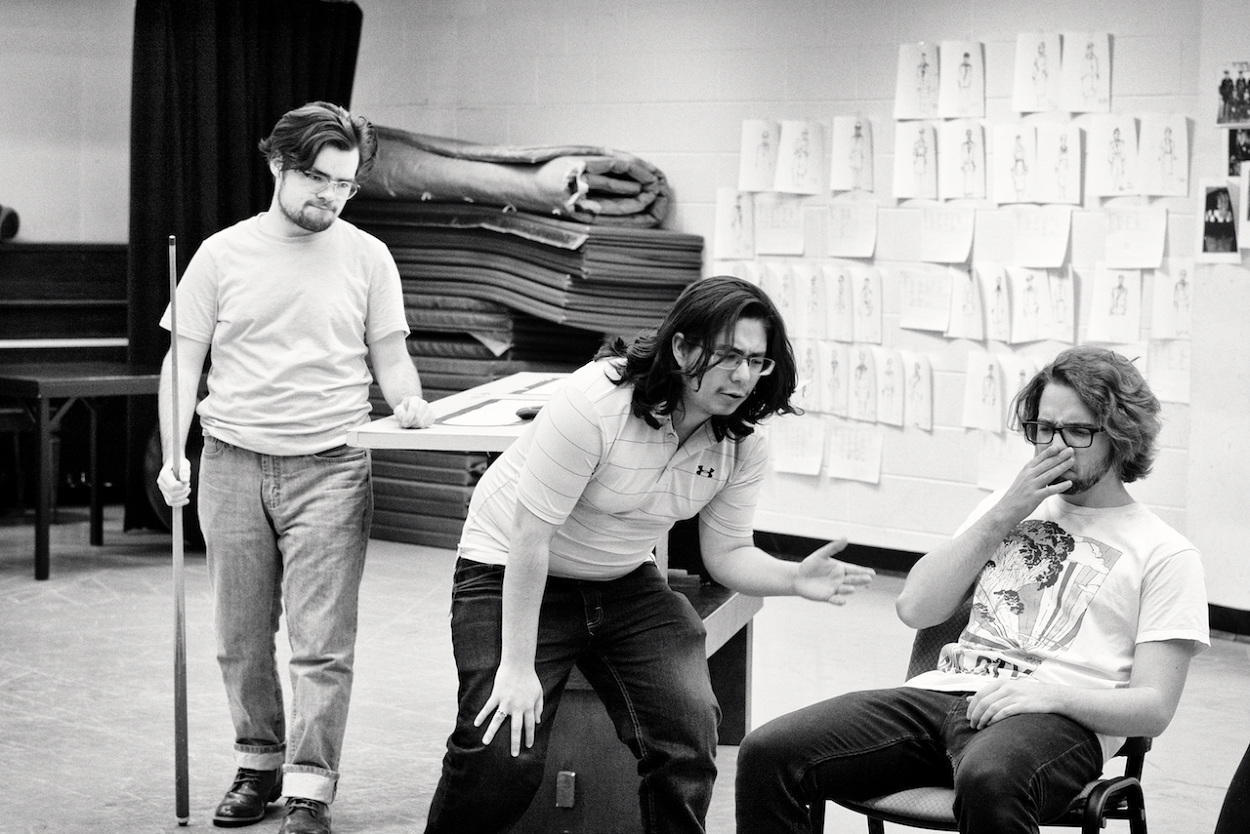
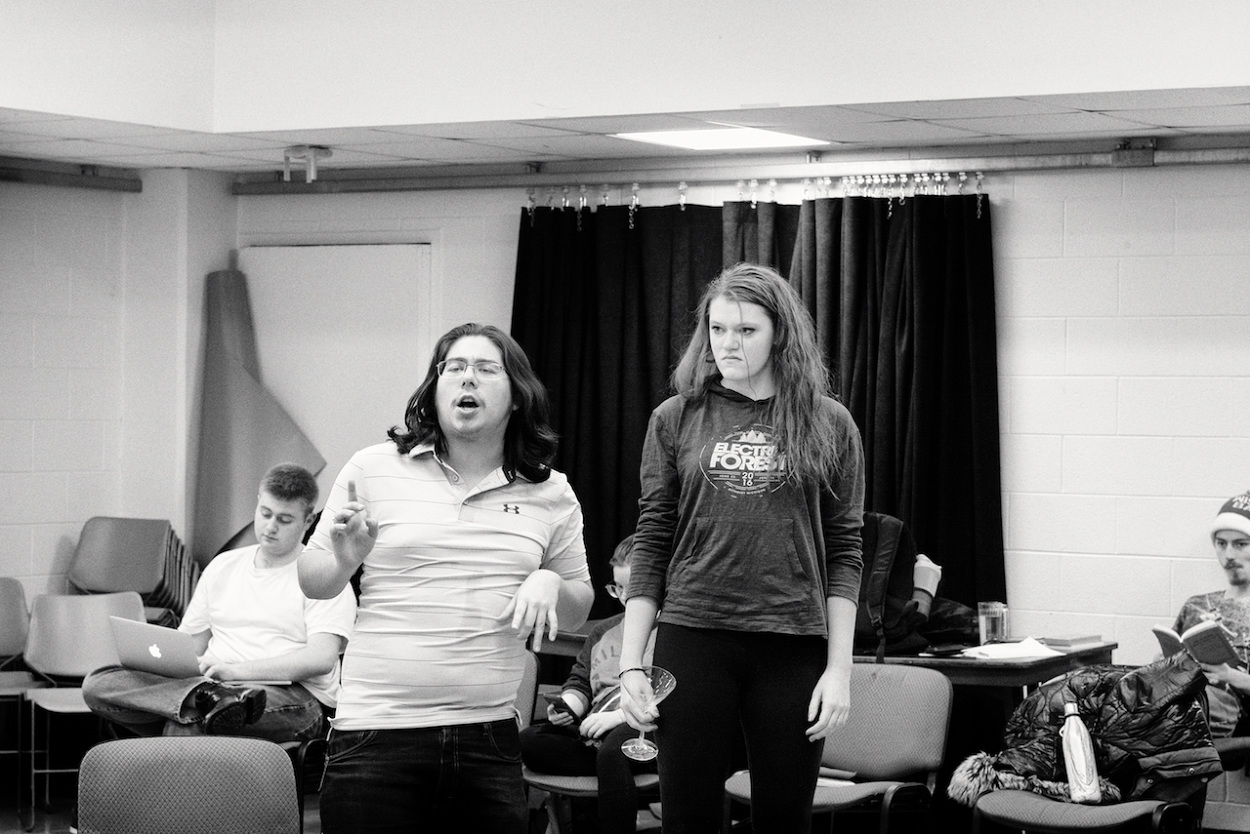
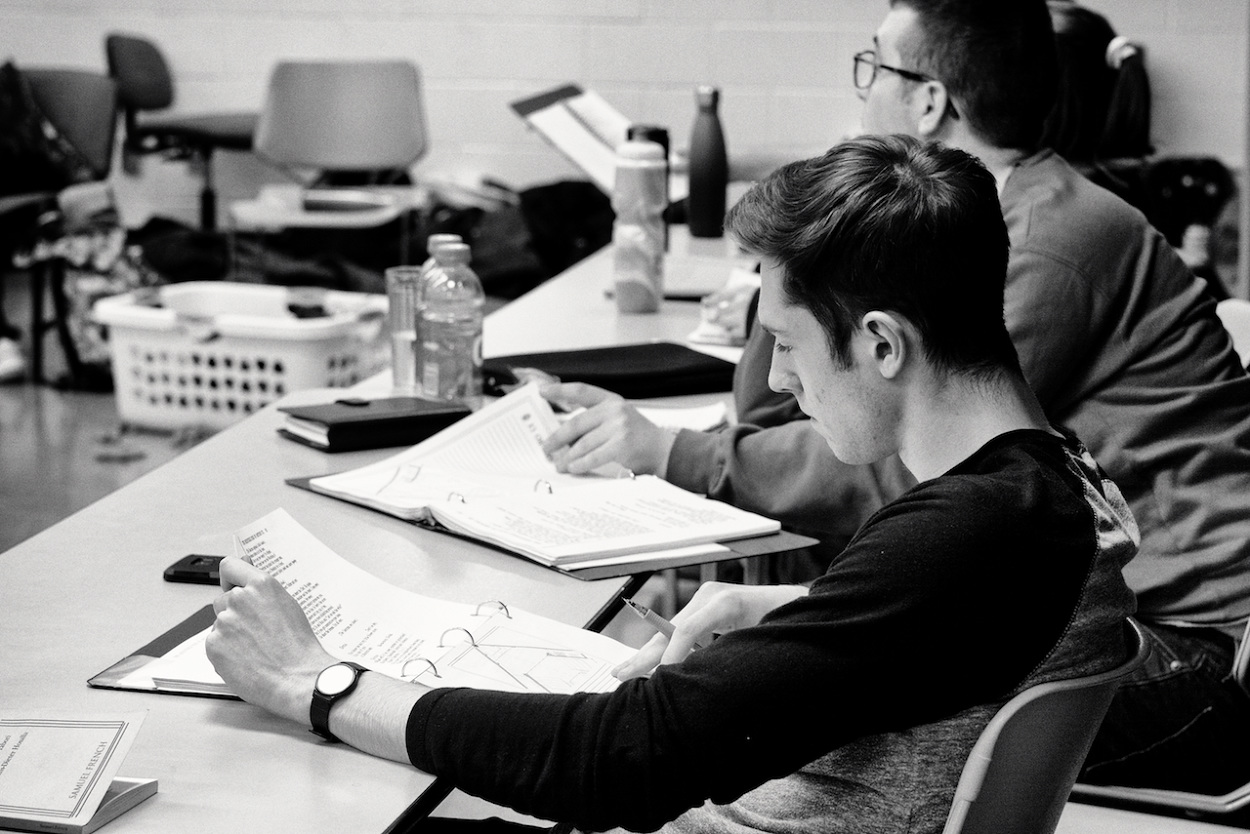
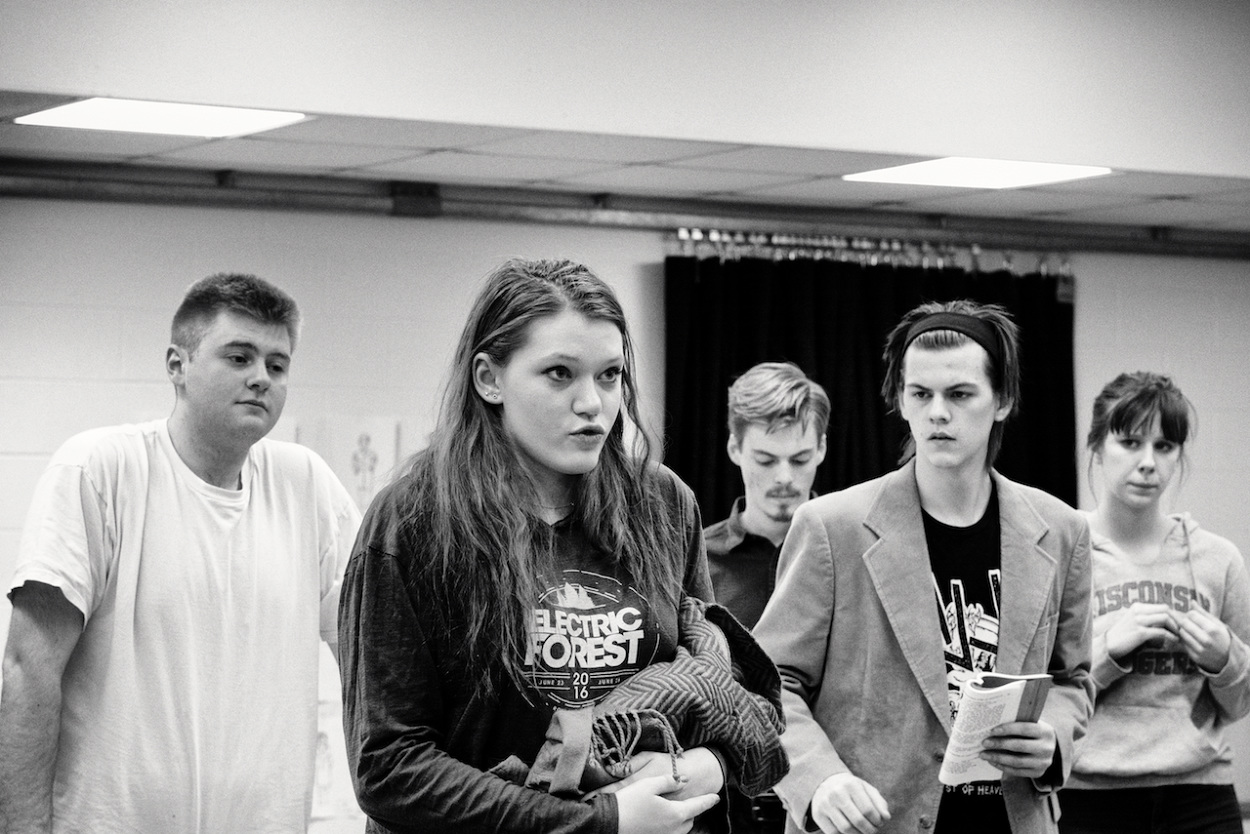
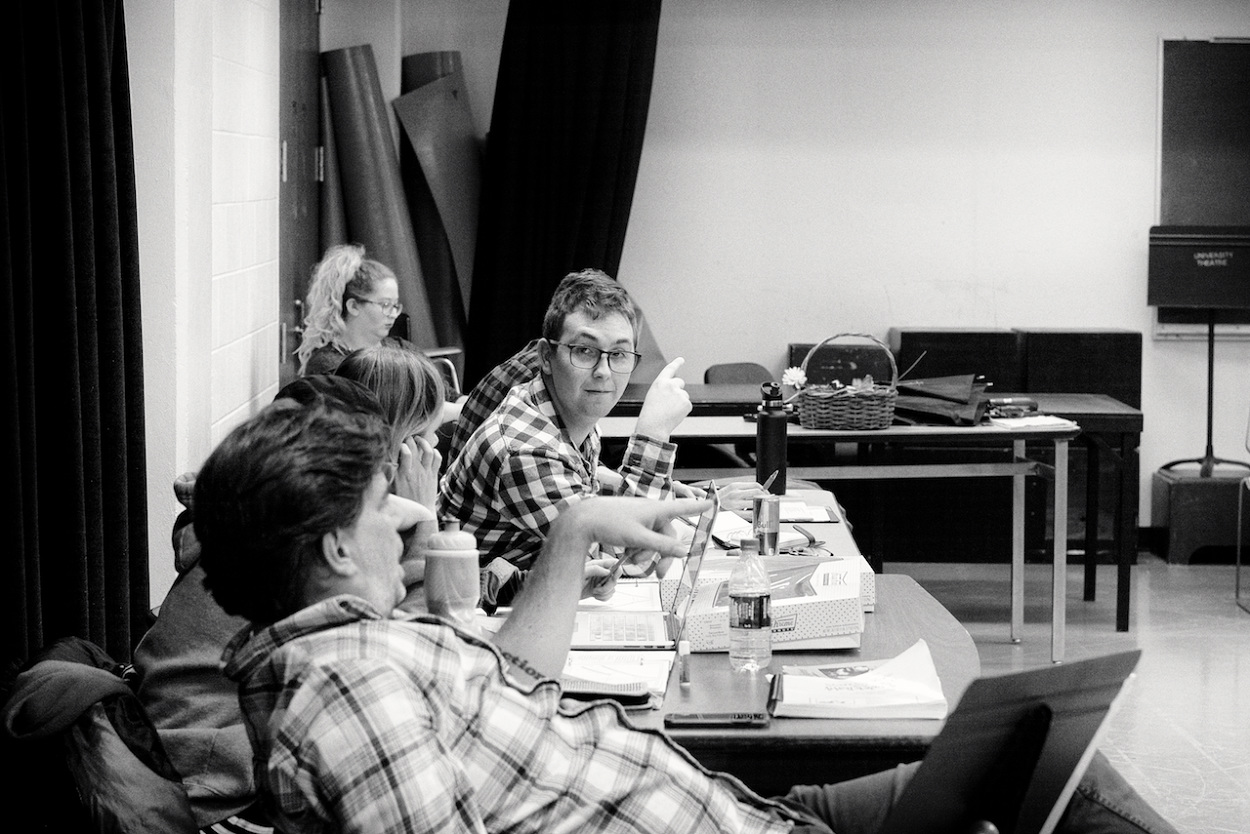
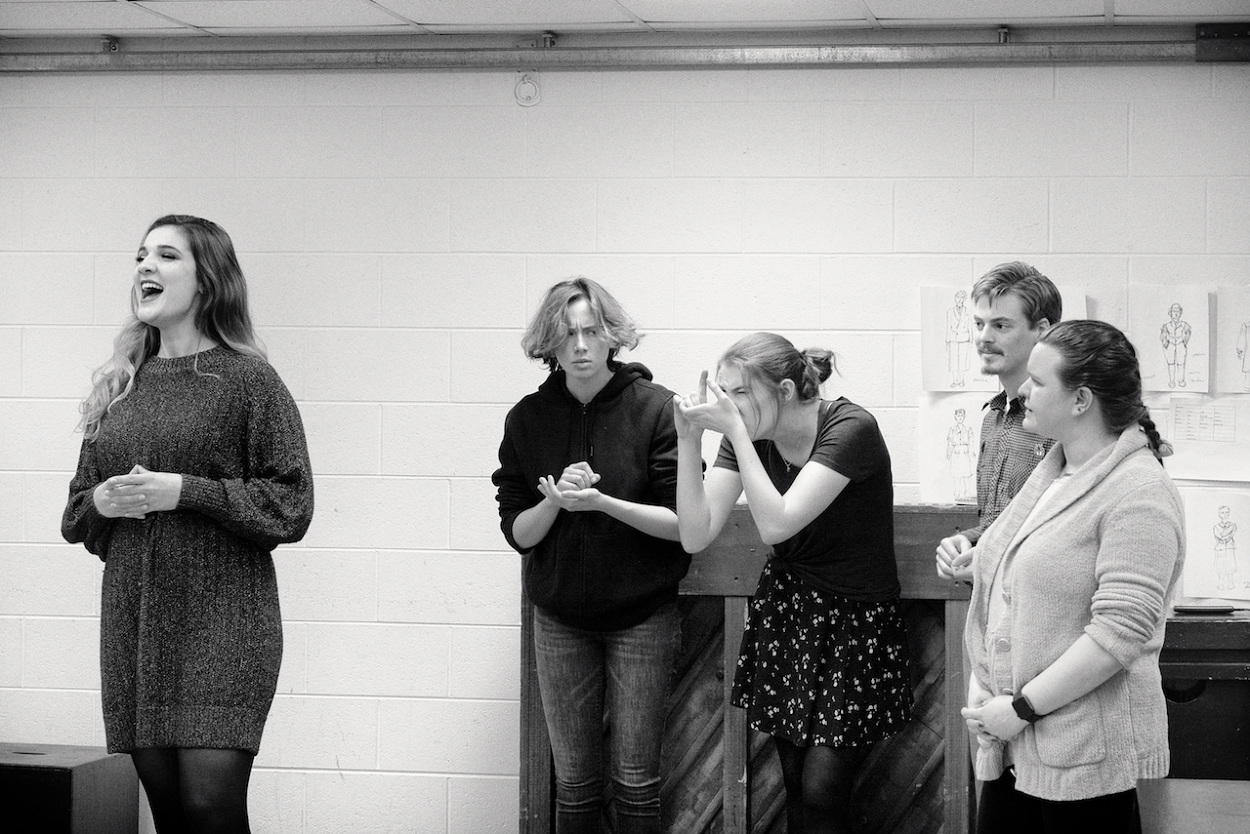
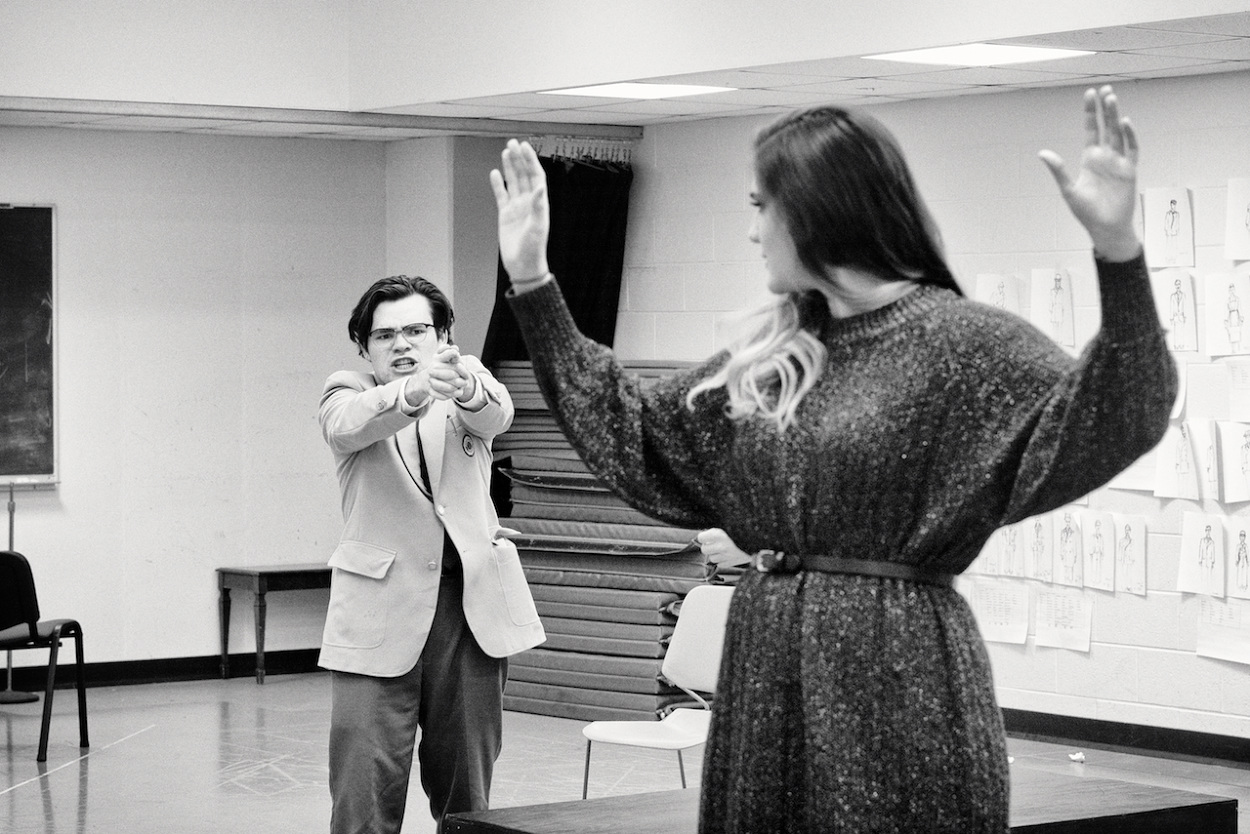
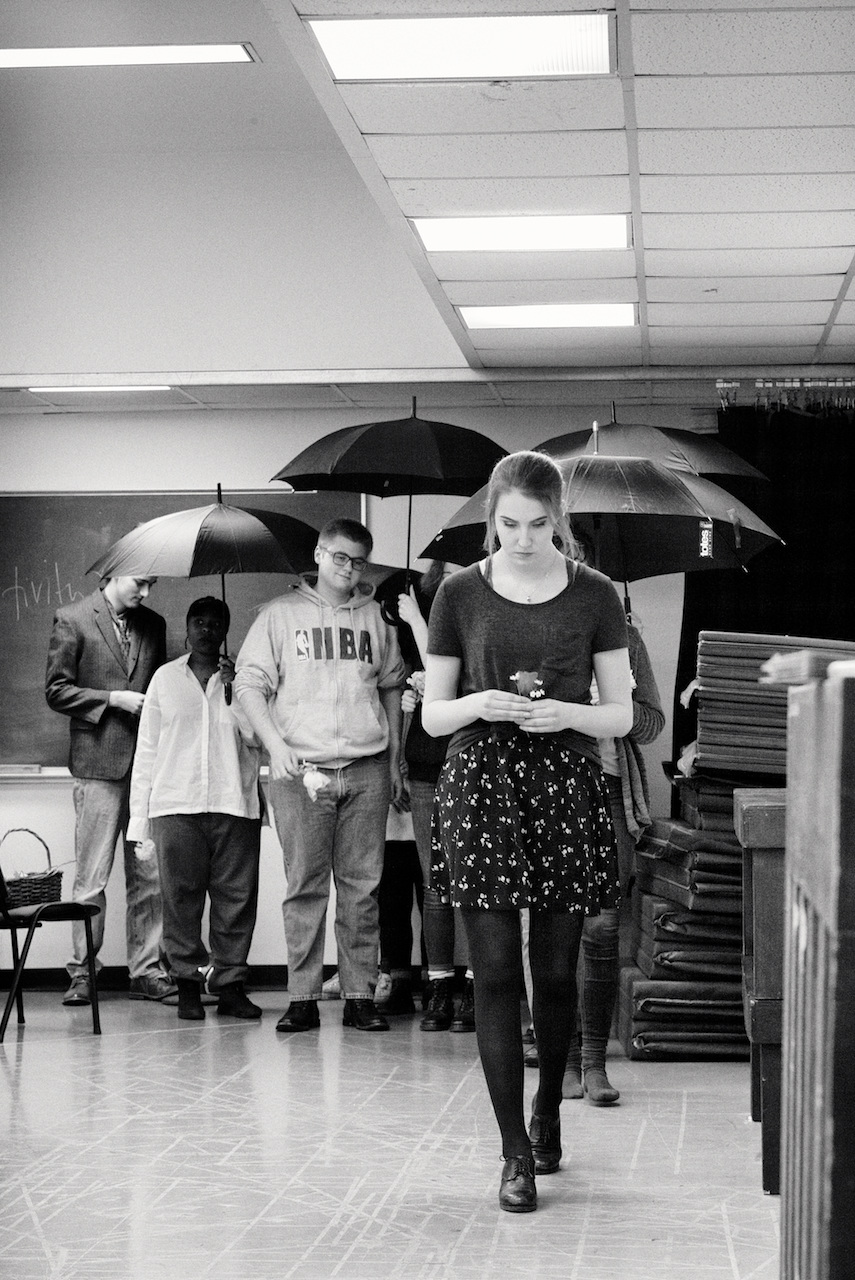
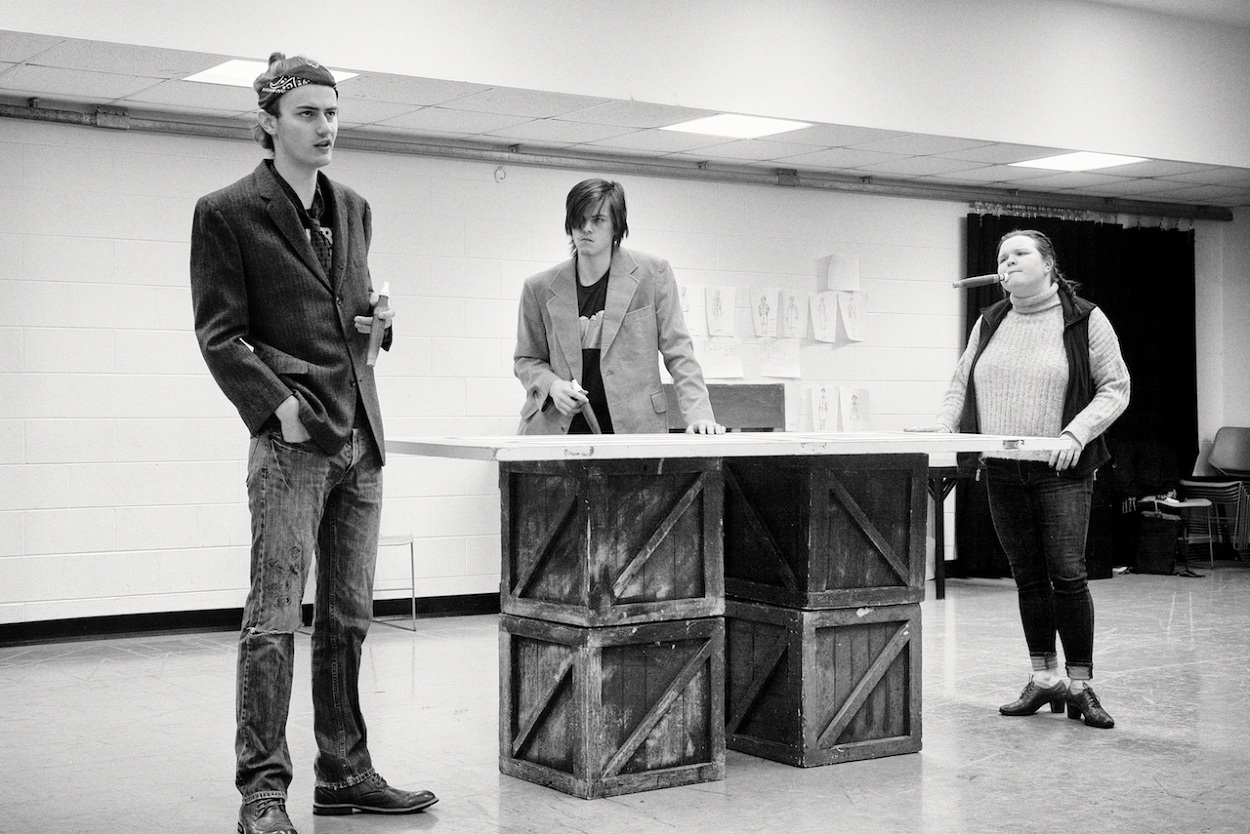
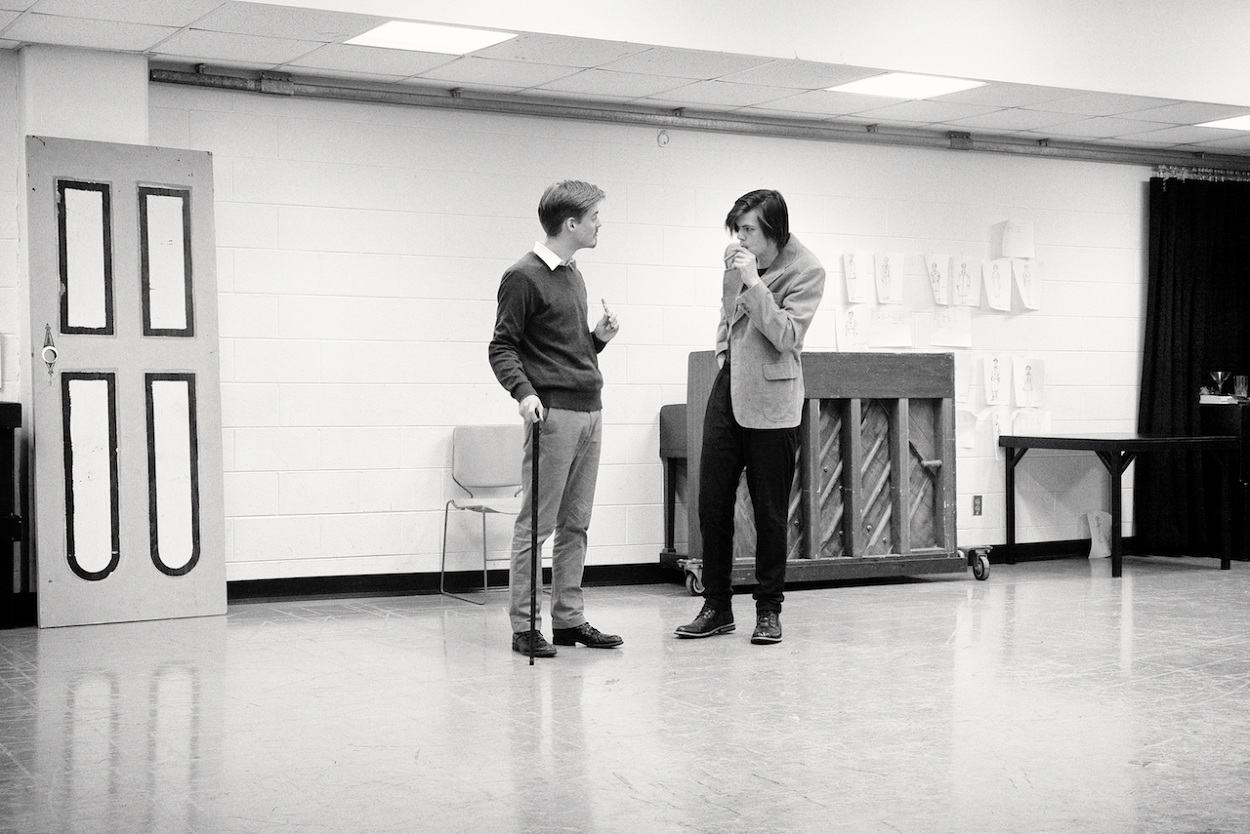
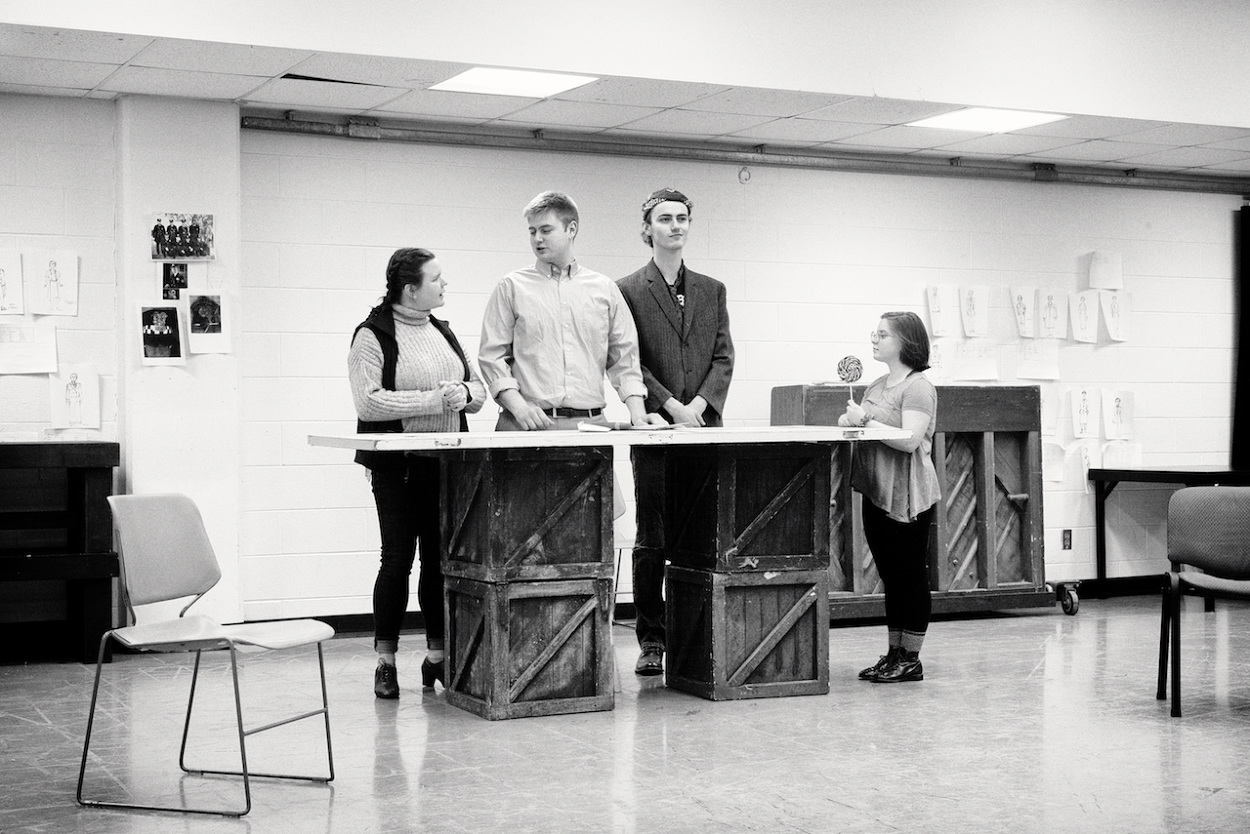
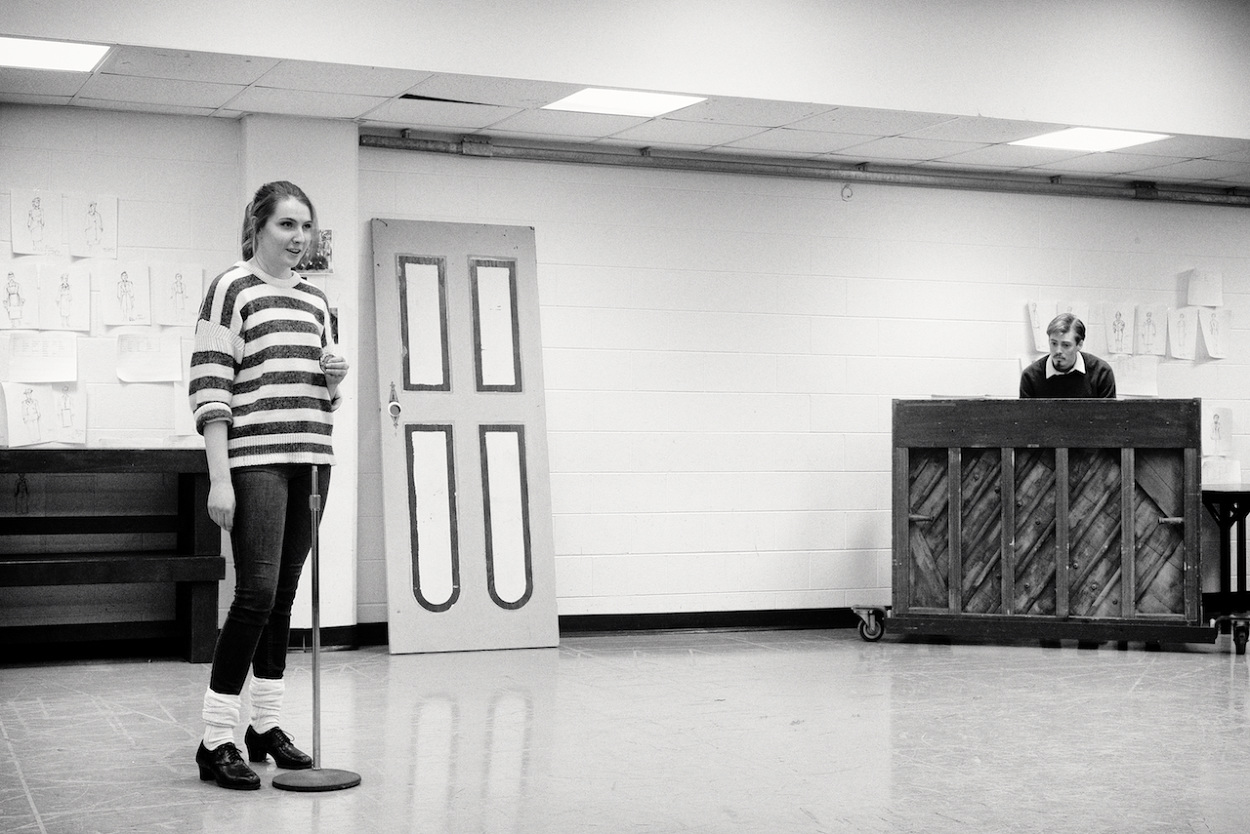
It’s the first night of rehearsal. The cast and crew have assembled in a rehearsal room in the basement of Vilas Hall for their first read-through of play. As they enter the room, there seems to be an instant camaraderie among the cast. Their level of comfort in this space is made obvious as people quote random lines from movies or plays, and break into song or dance with no prompting whatsoever. It’s at this point I become acutely aware that I have stepped into an unfamiliar world. I avoid, when possible, drawing any attention to myself or having a spotlight put on me. Yes, I can go in front of a crowd to take pictures of an event, but there I am able to hide behind my camera, believing I am unseen as I go about my work as a photographer. So the thought of being on-stage, performing naked (figuratively) in front of a crowd makes my anxiety rise like the mercury in a thermometer.
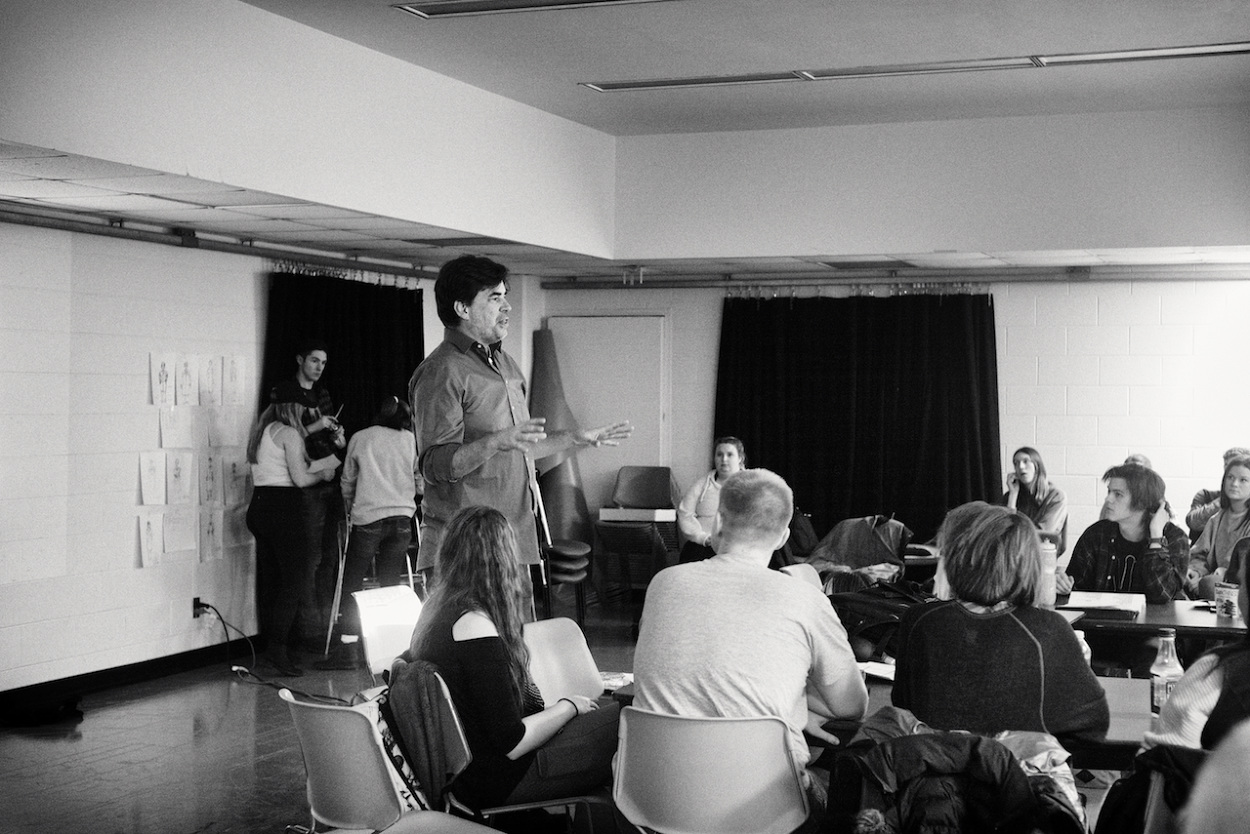
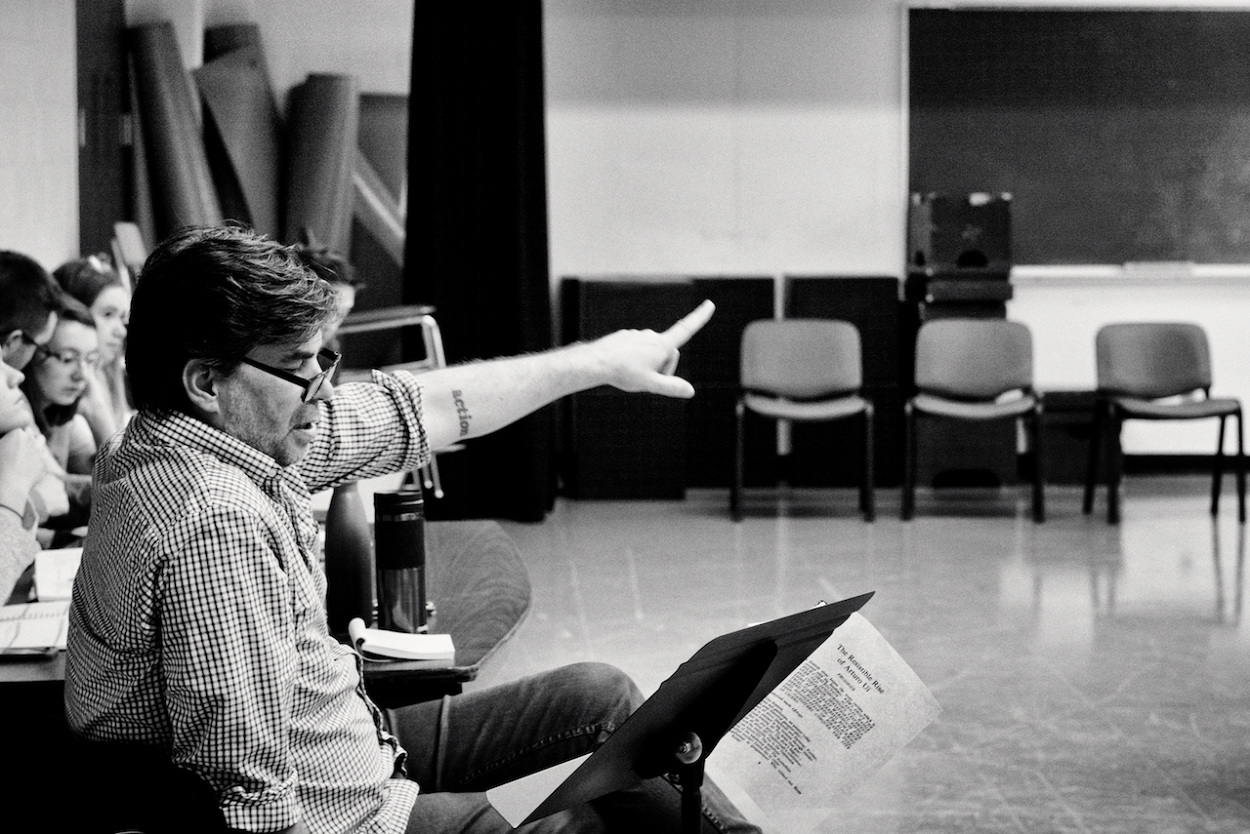
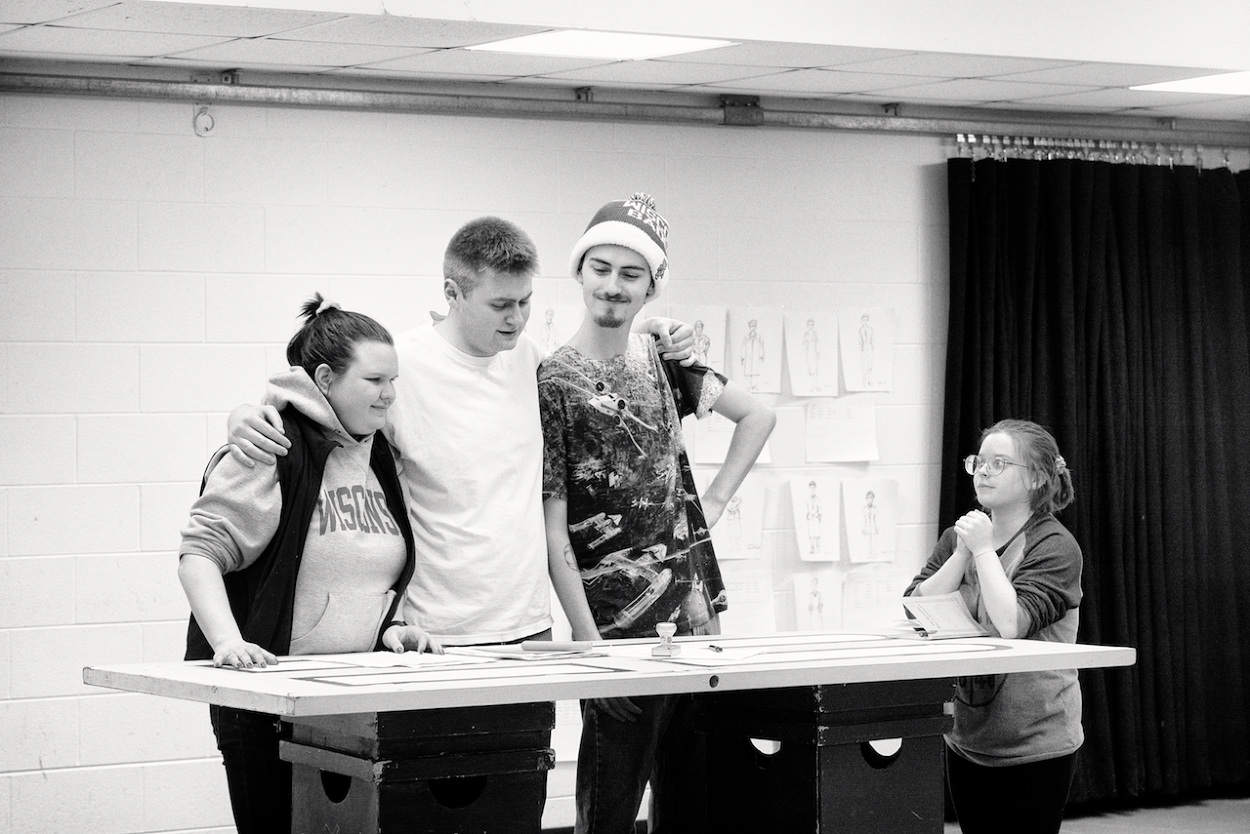
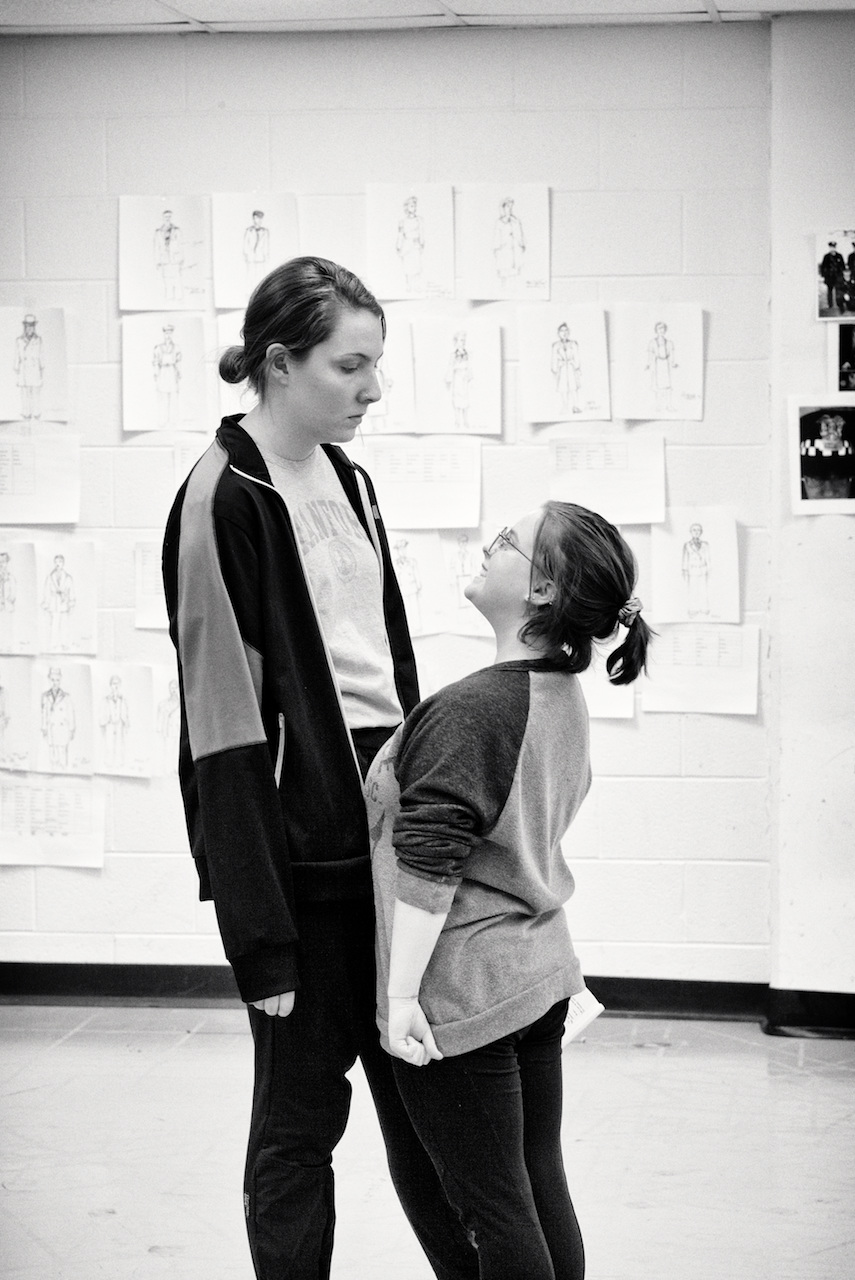
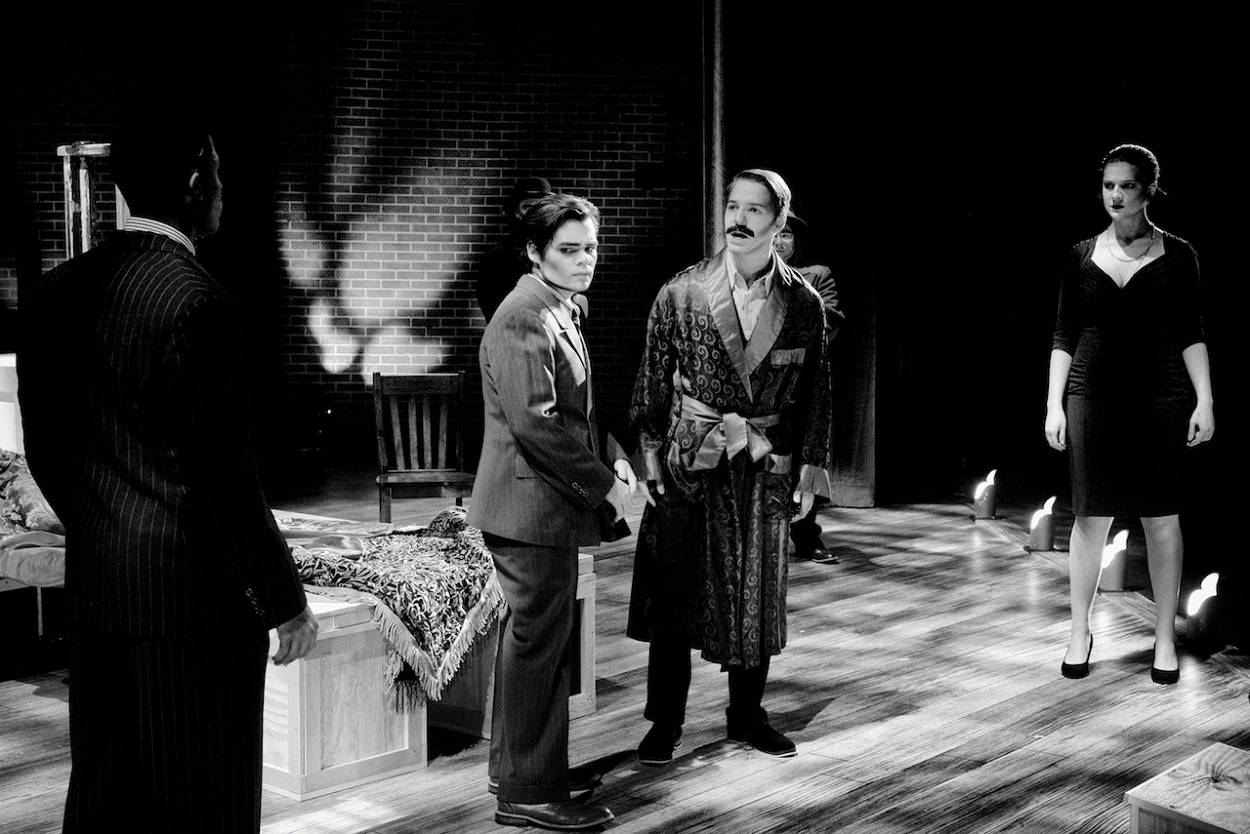
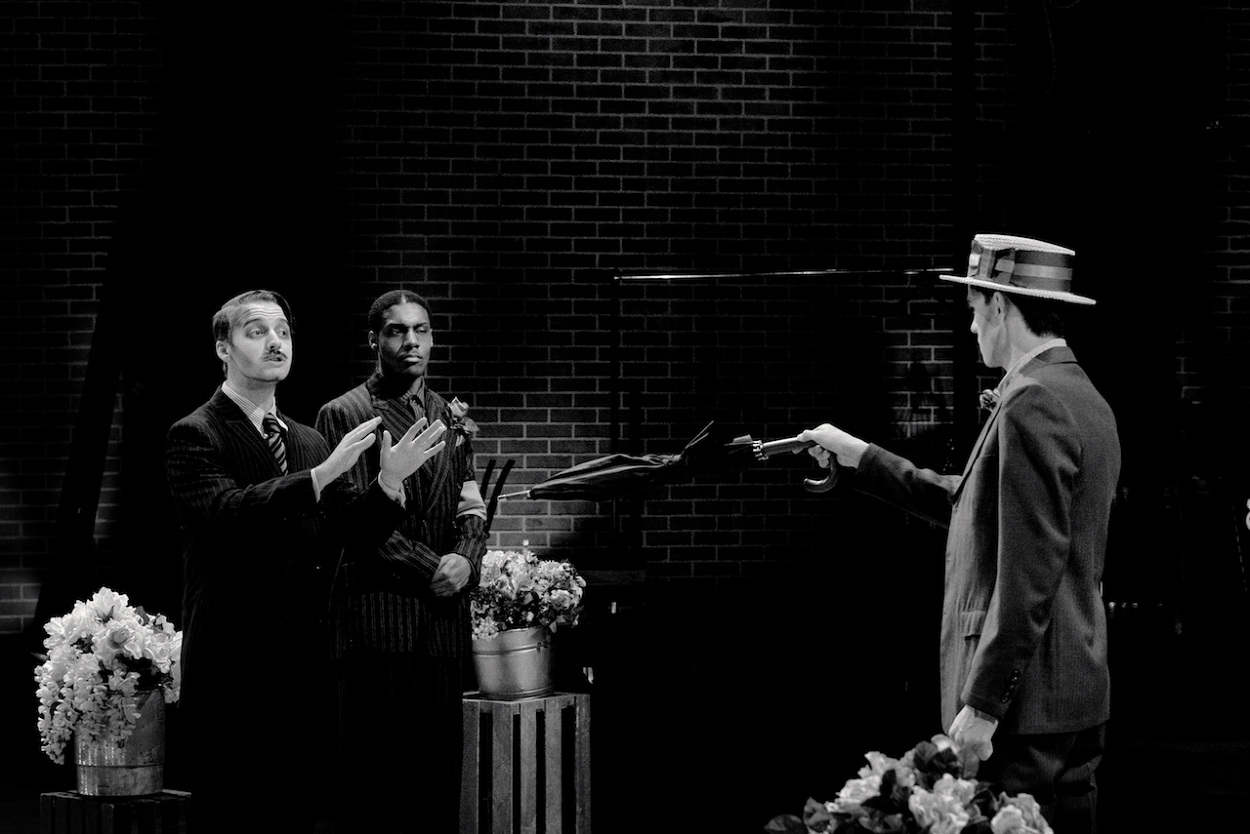
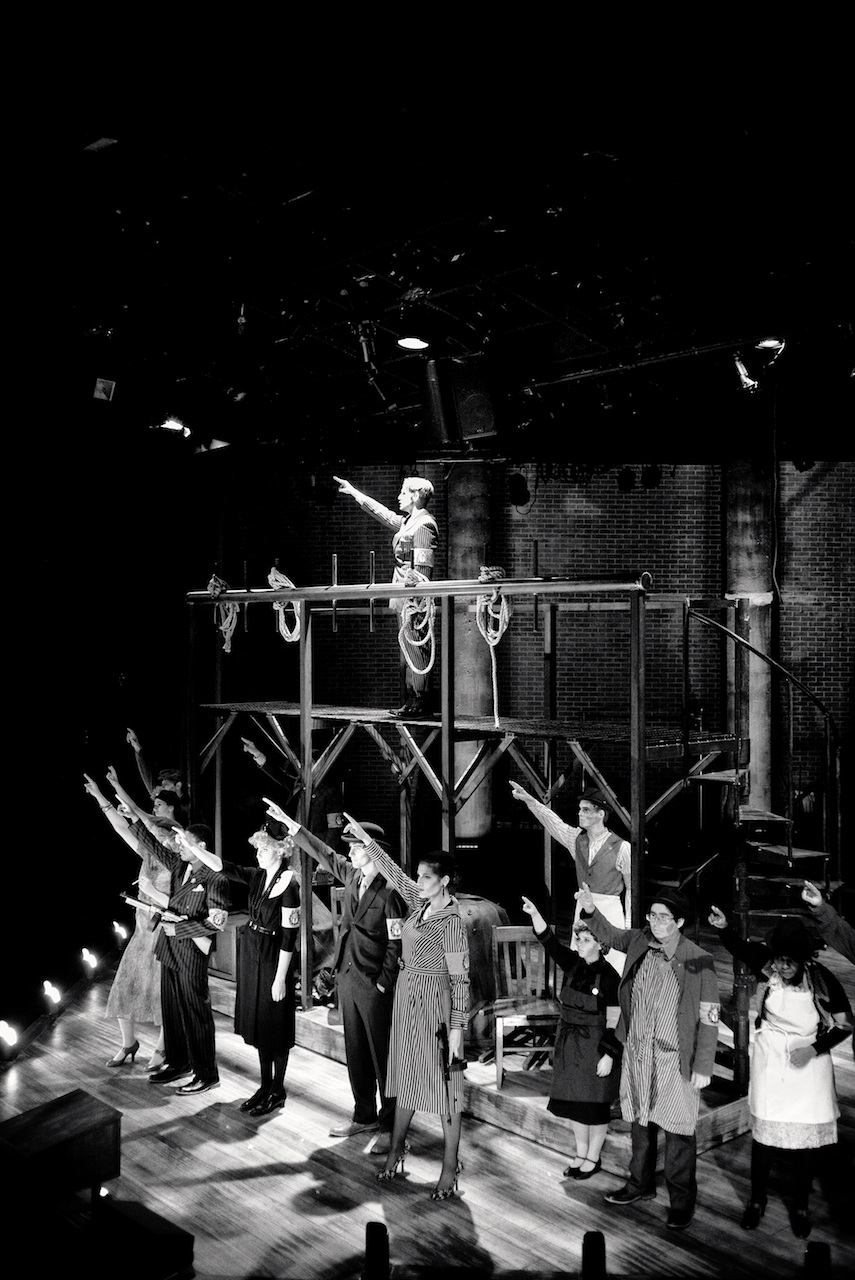
On this first evening a number of people present on what will be happening with the play: lighting describes how the stage and actors will be lit, scenery goes through the look of the stage, and costume goes over what the actors will wear. Then there was the dramaturg, who informed the cast about the play and the playwright, the context in which the play was written, and other facts important to the production. This I find particularly fascinating. The Resistible Rise of Arturo Aui was written by Bertolt Brecht in 1941 as a “satirical allegory”of Adolph Hitler’s rise to power in the 1930’s. Brecht sets the play in 1930’s Chicago, replacing Nazi’s with gangsters and using a fictitious cauliflower cartel to give us a parable on the dangers of fascism and giving into one person’s demand for power and control. It is rumored that Brecht only spent a few days in Chicago and that he never encountered any real gangsters, instead using the Hollywood movie gangster as a model for his characters. In addition, he sets the play during the depression, the depression in Germany, however, not in America. All this makes the interpretation of the play by the actors even more challenging, and interesting, considering the time this was written, the age of the actors and the context of our own political climate.
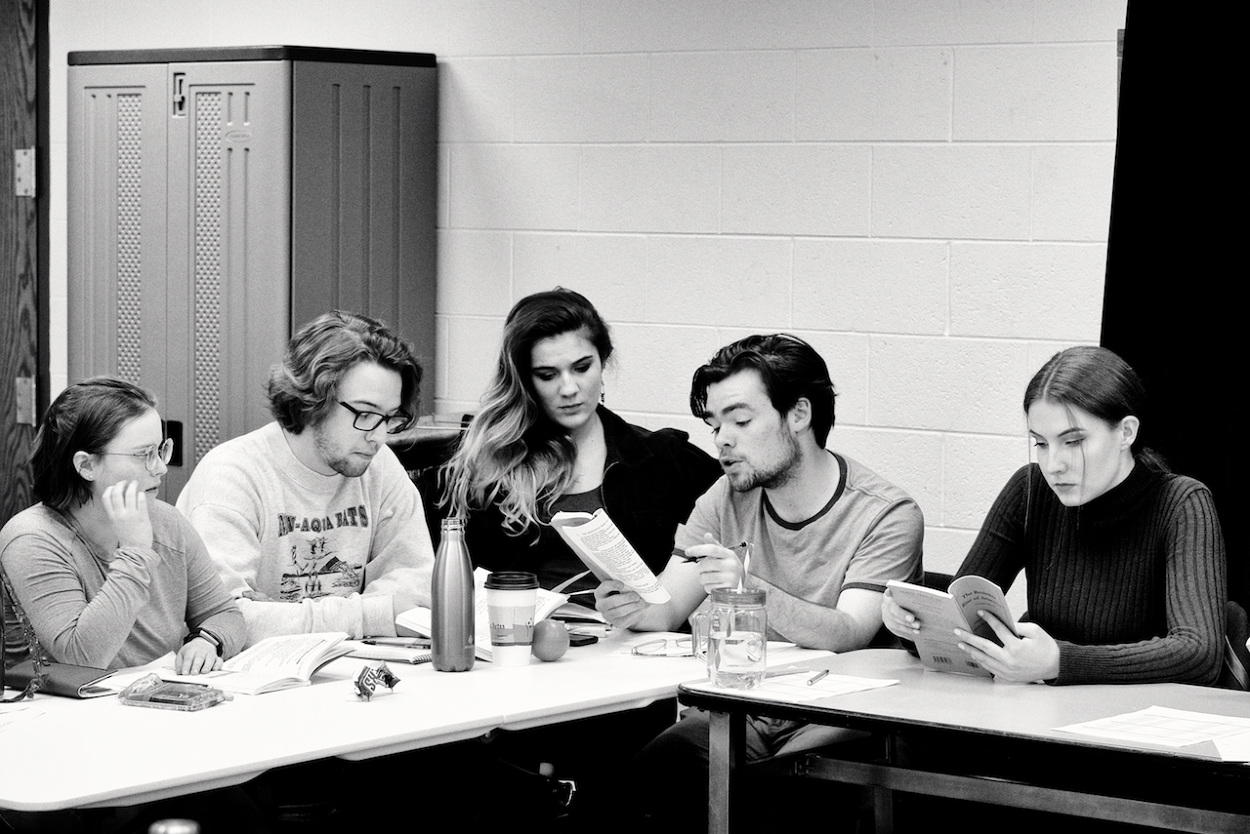
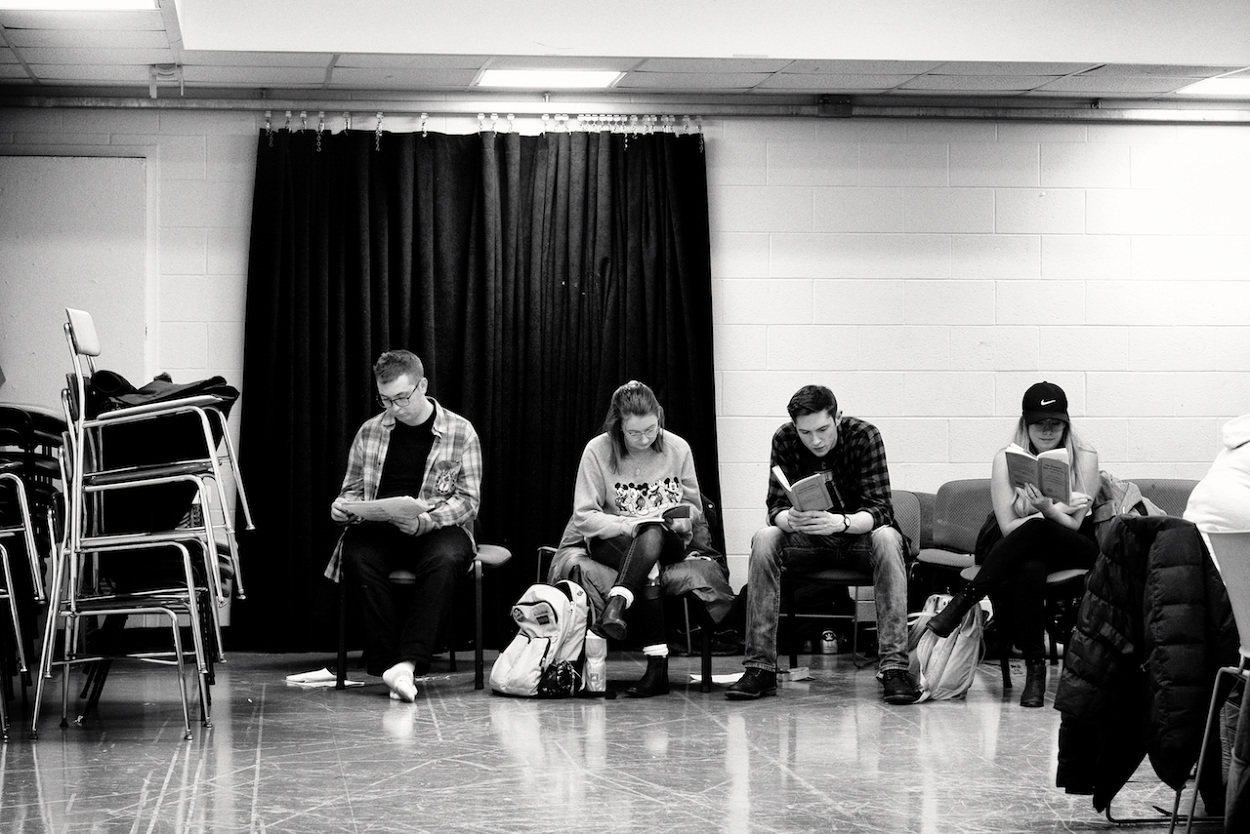
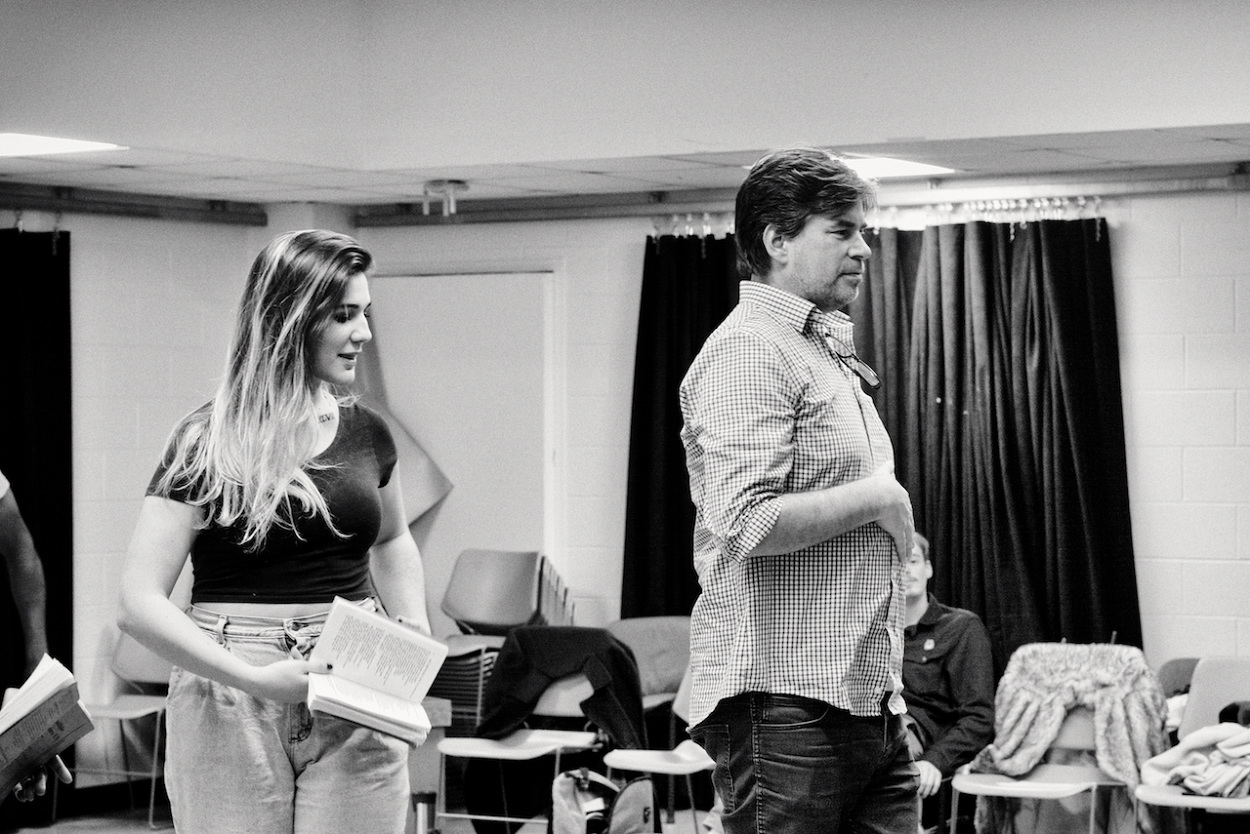
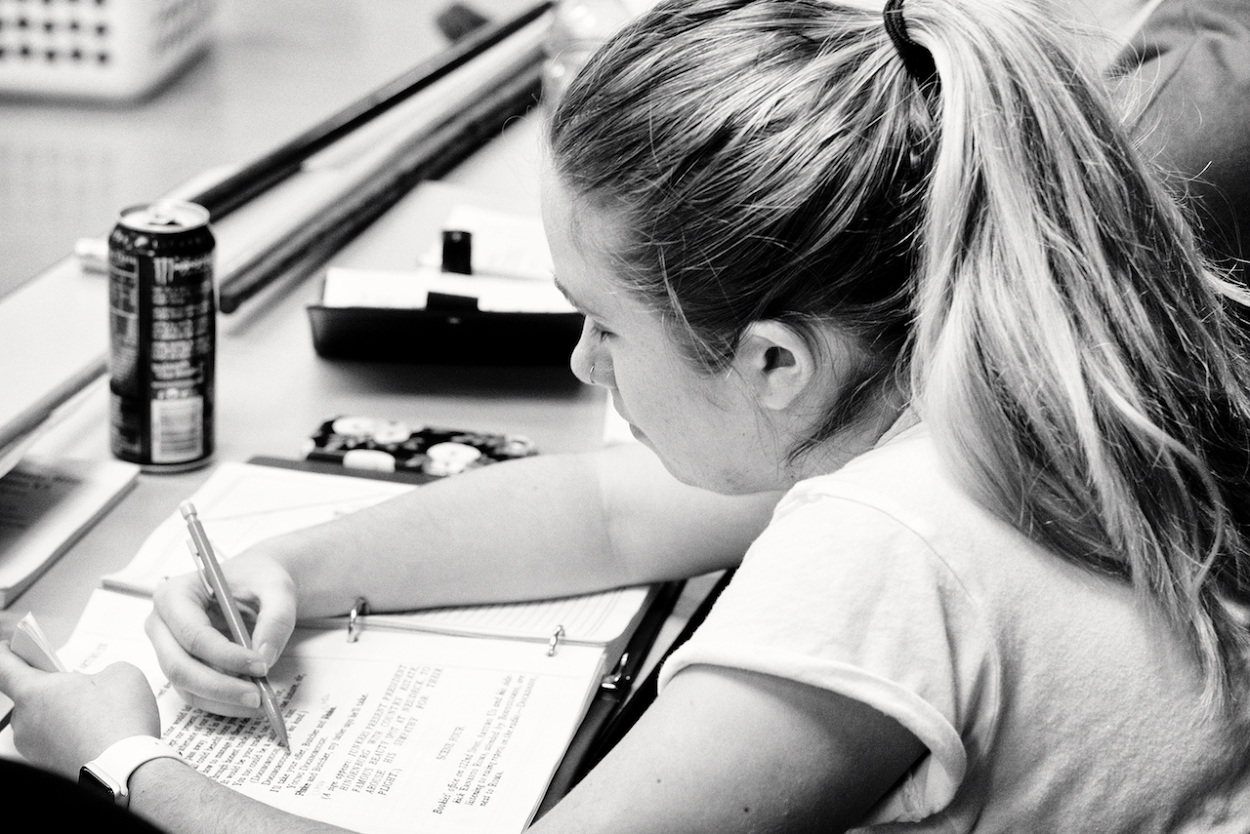
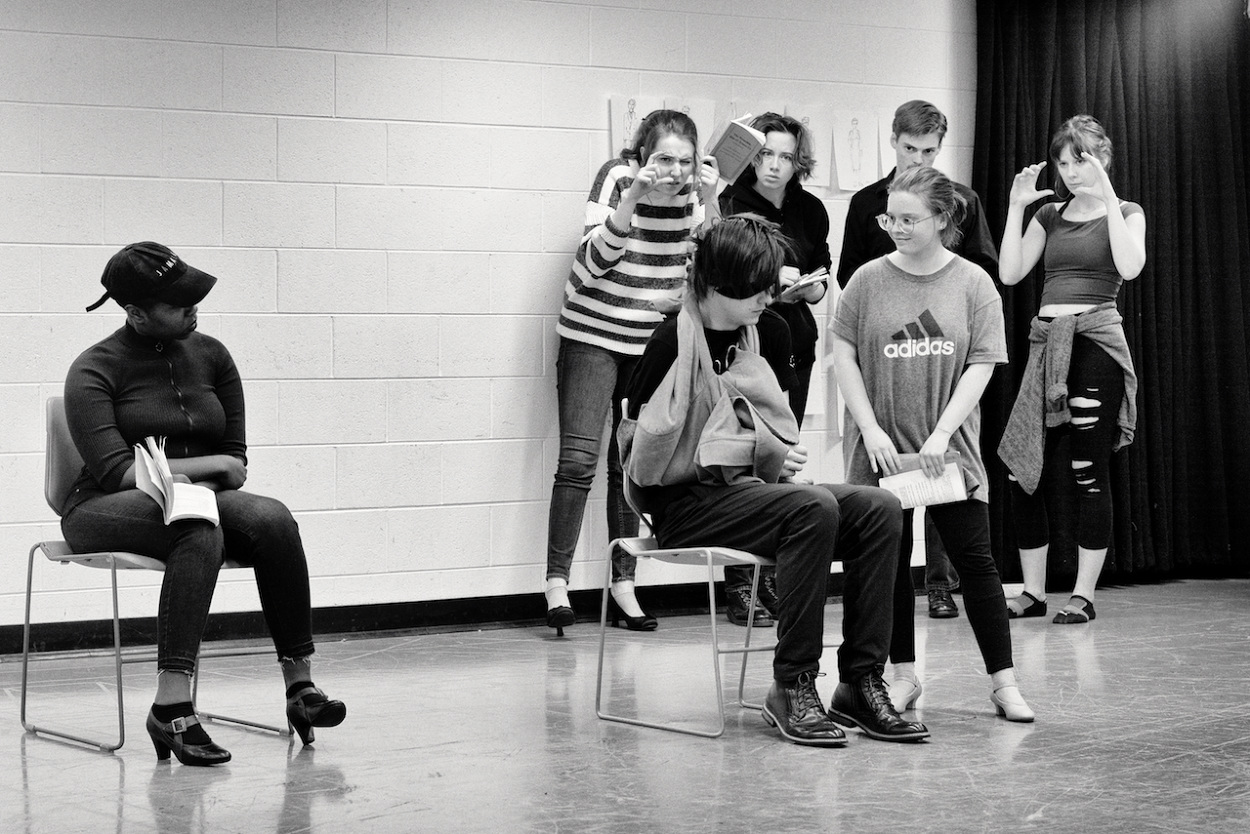
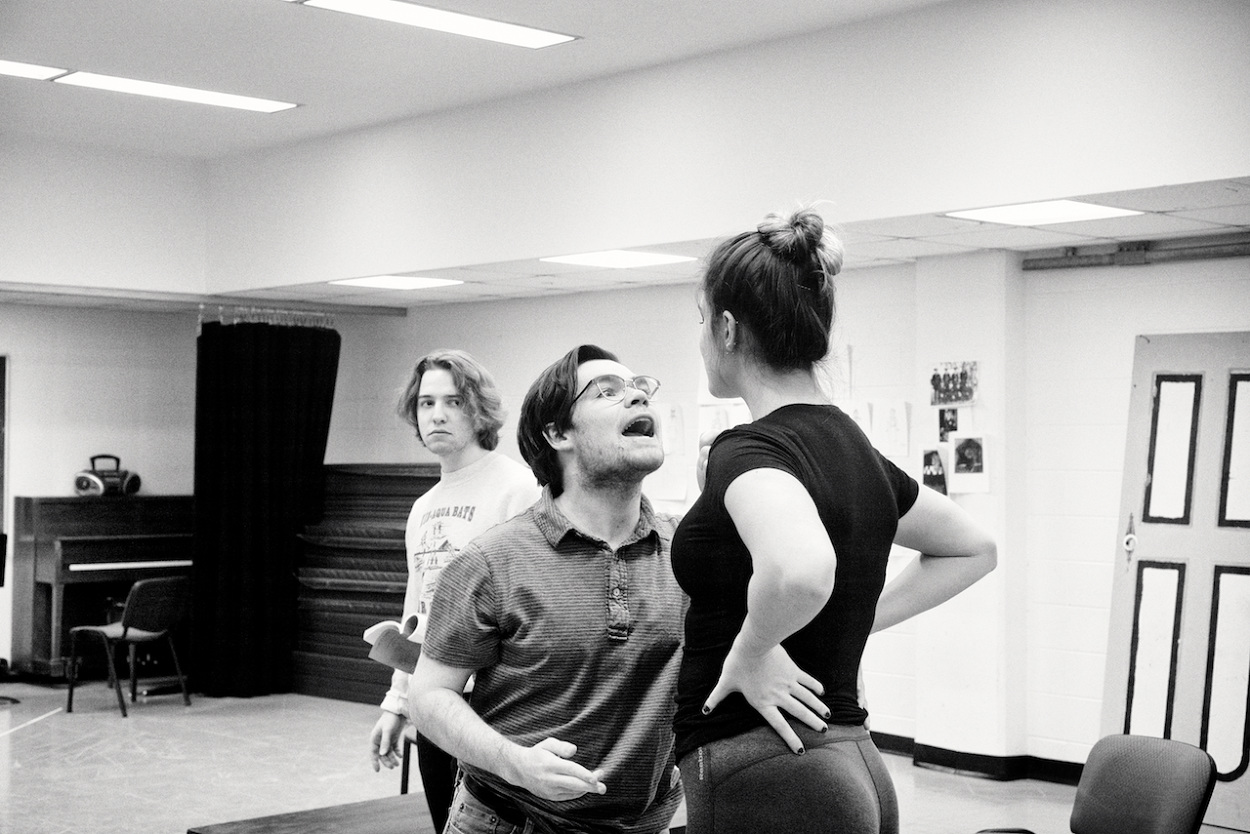
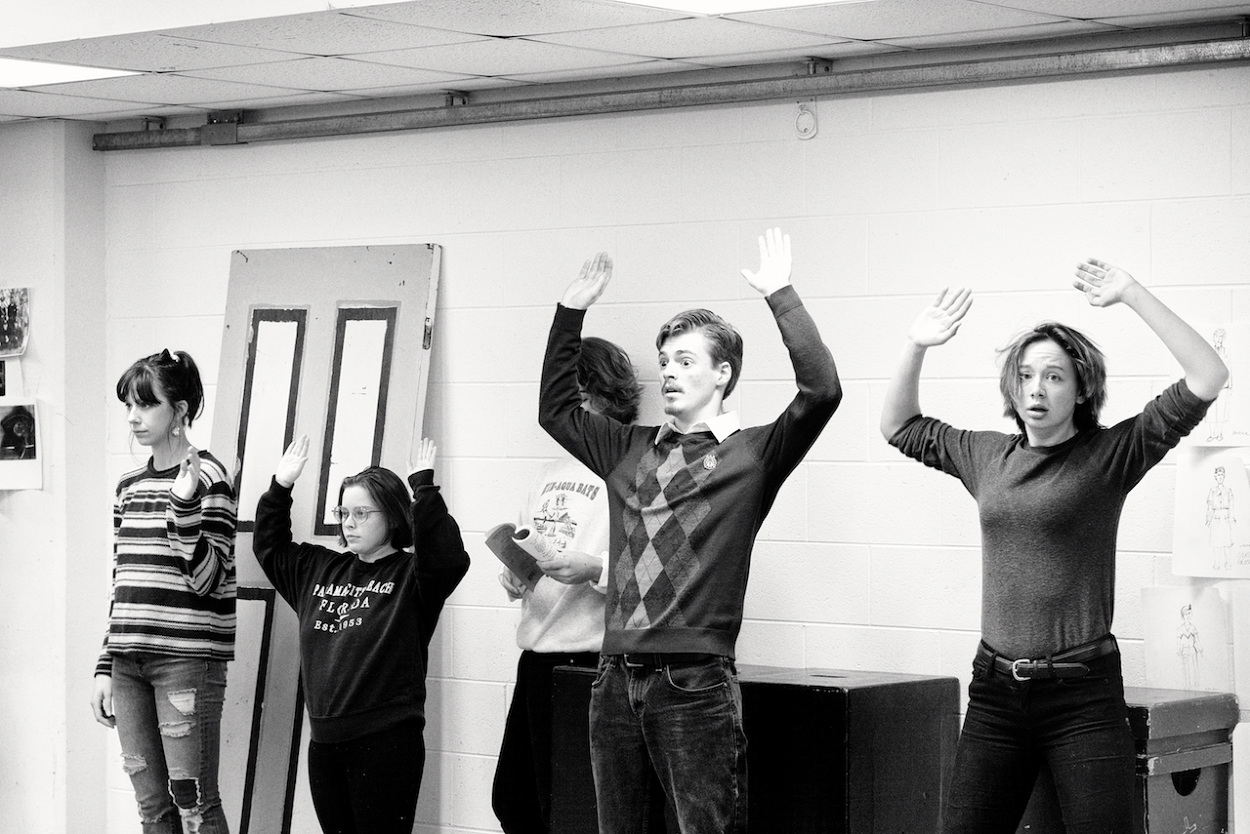
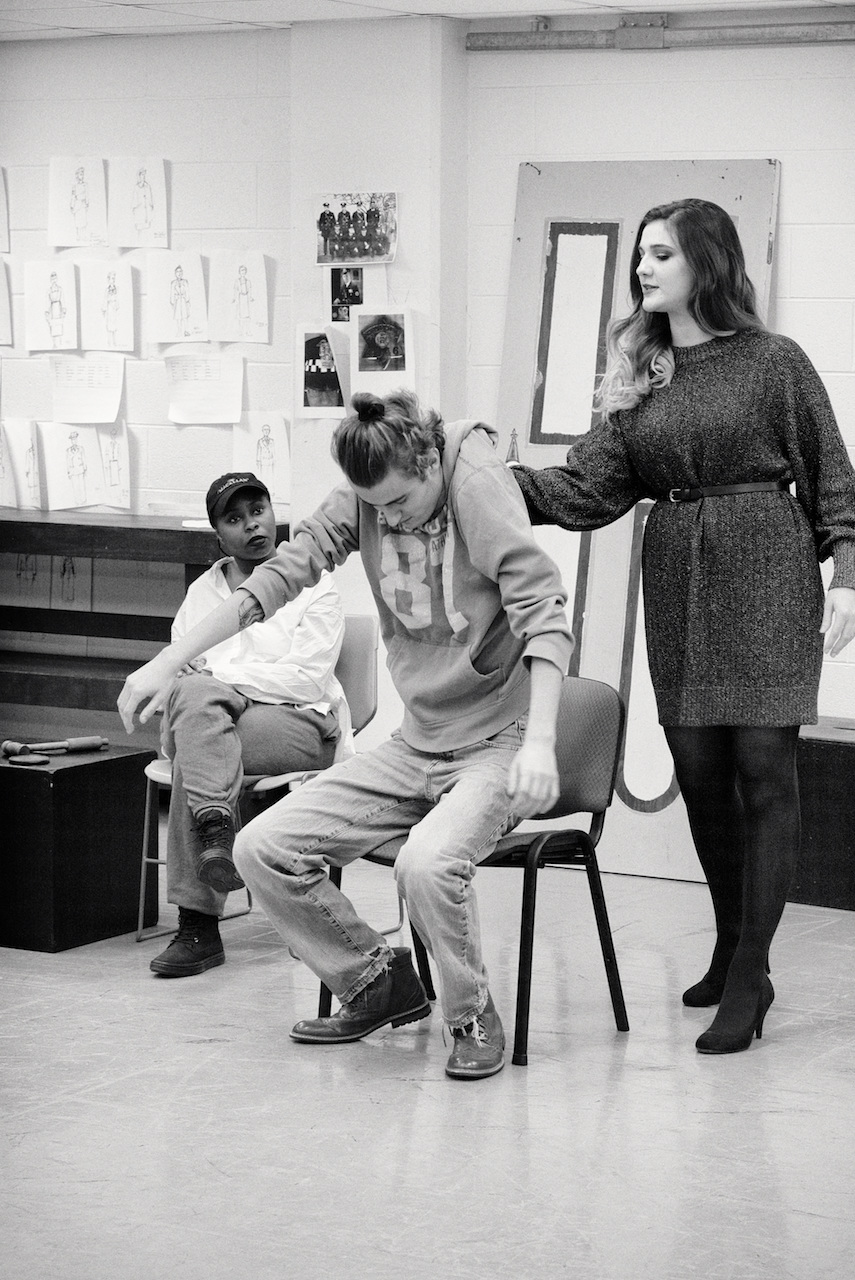
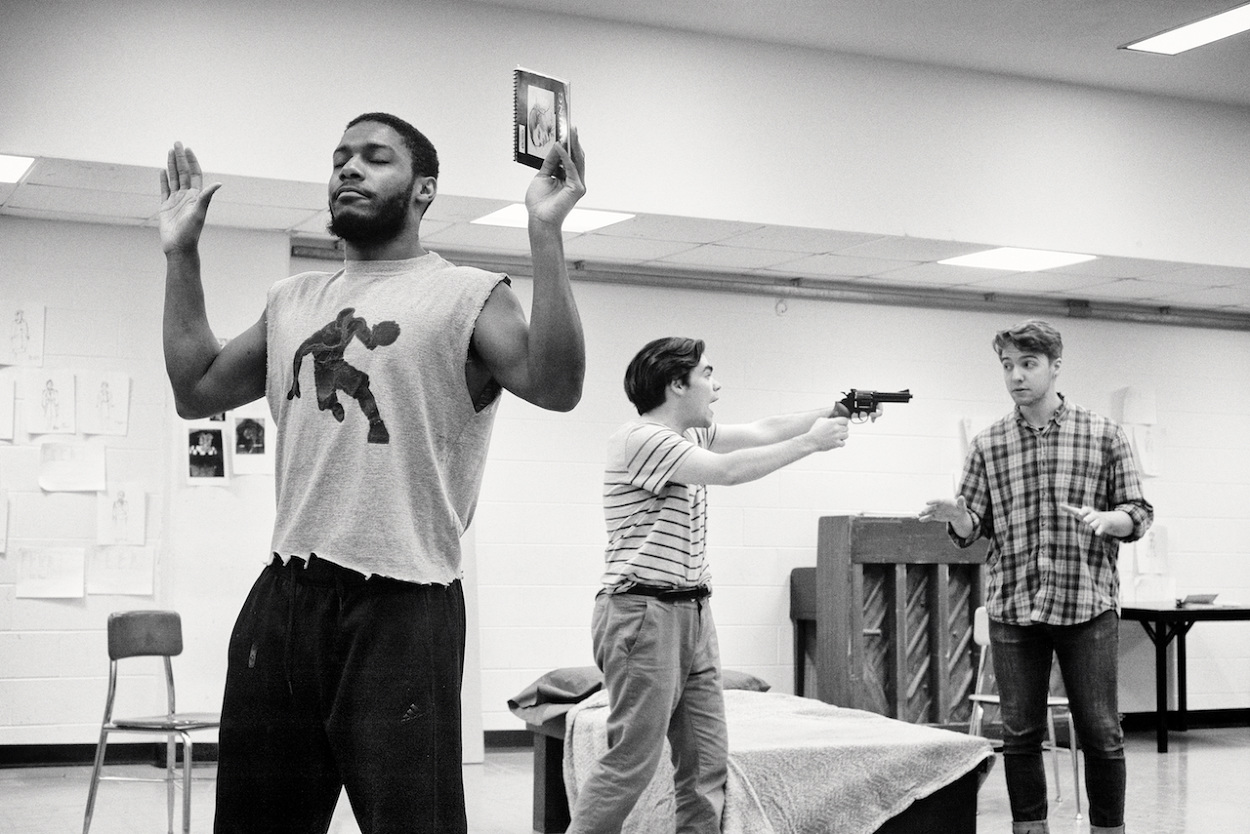
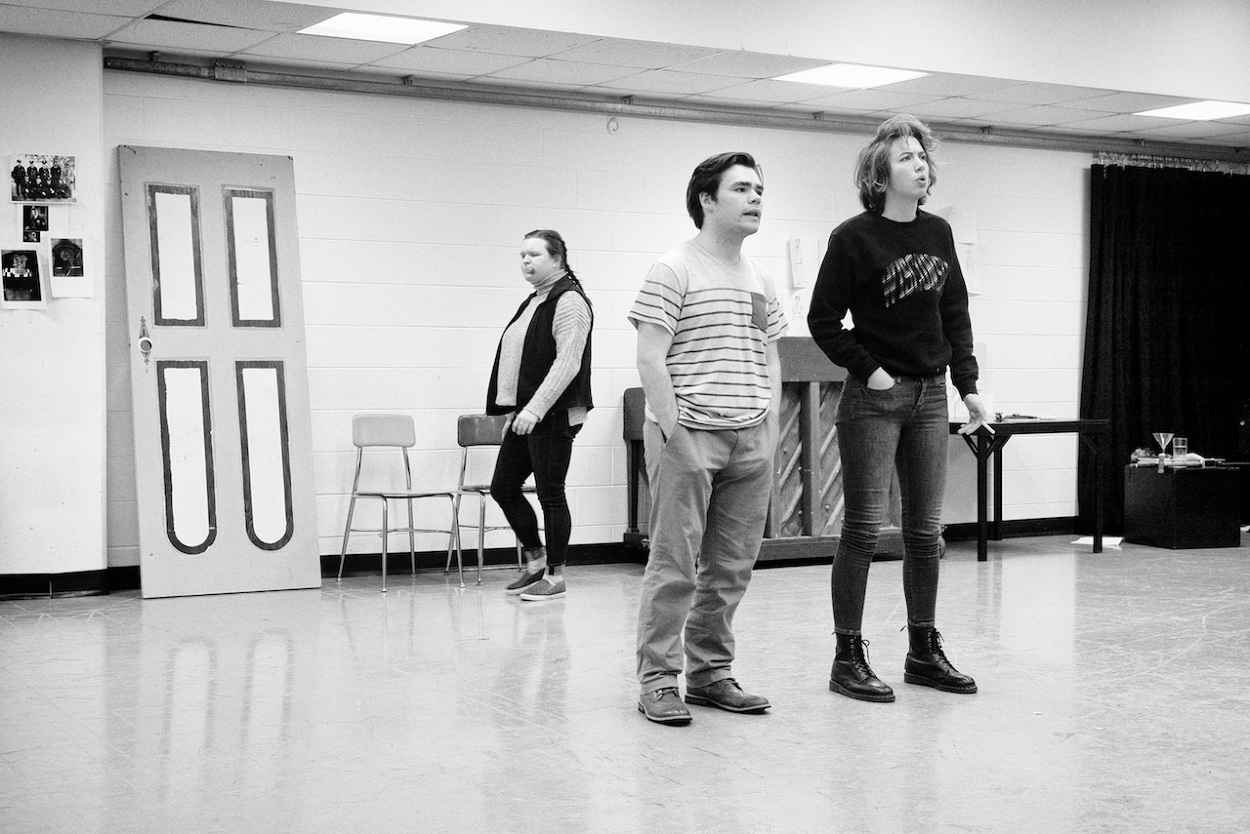
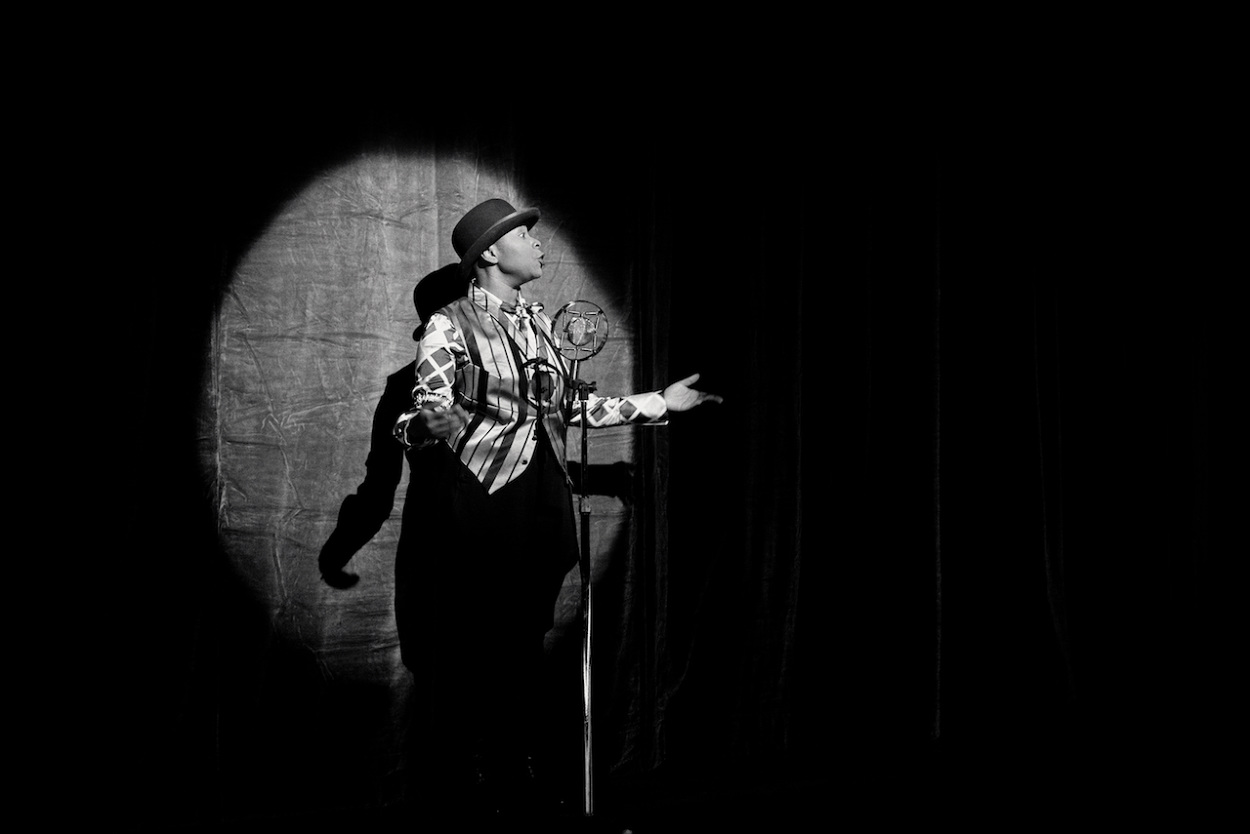
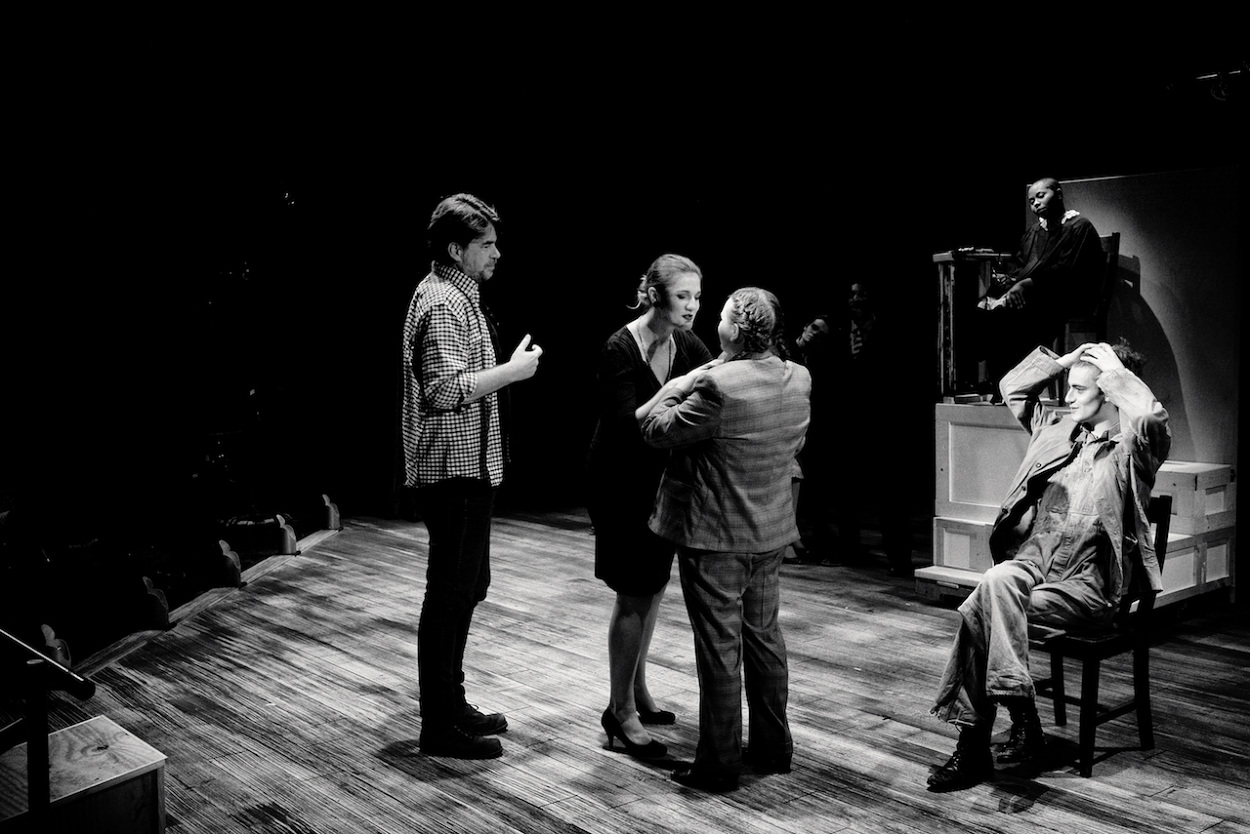
Over the next six weeks I watch as the actors transform from that first reading: They become comfortable with and learn their lines and move off-book, they don costume and makeup, get into character and take the stage. Observing this process from start to opening has given me an appreciation for what it takes to be a theatre and drama student. There is learning lines of course. But in addition to the lines are the cues as to when to speak them. The amount of memorization and remembering is astounding. The cues are wide ranging as well; other actors lines, lighting, sound, physical movement across the stage all can act as a cue one must remember—timing is everything.
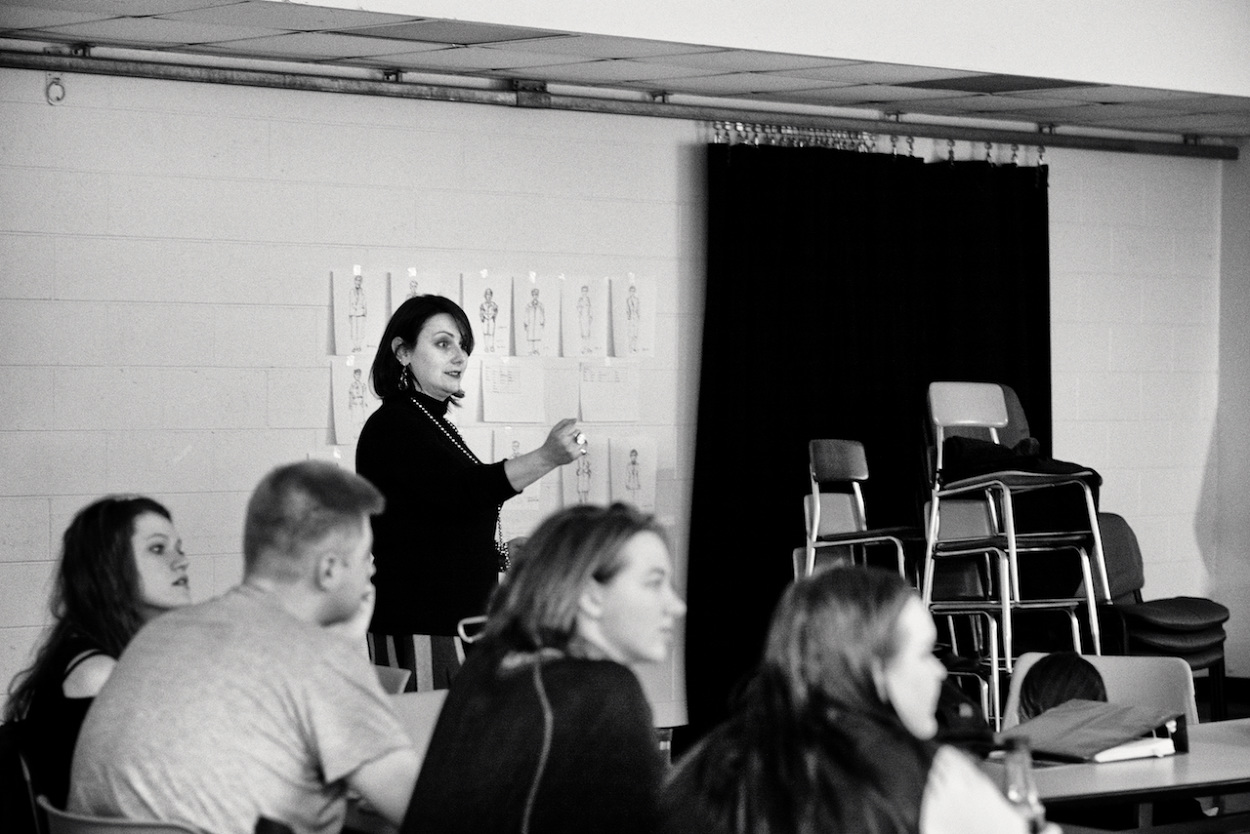
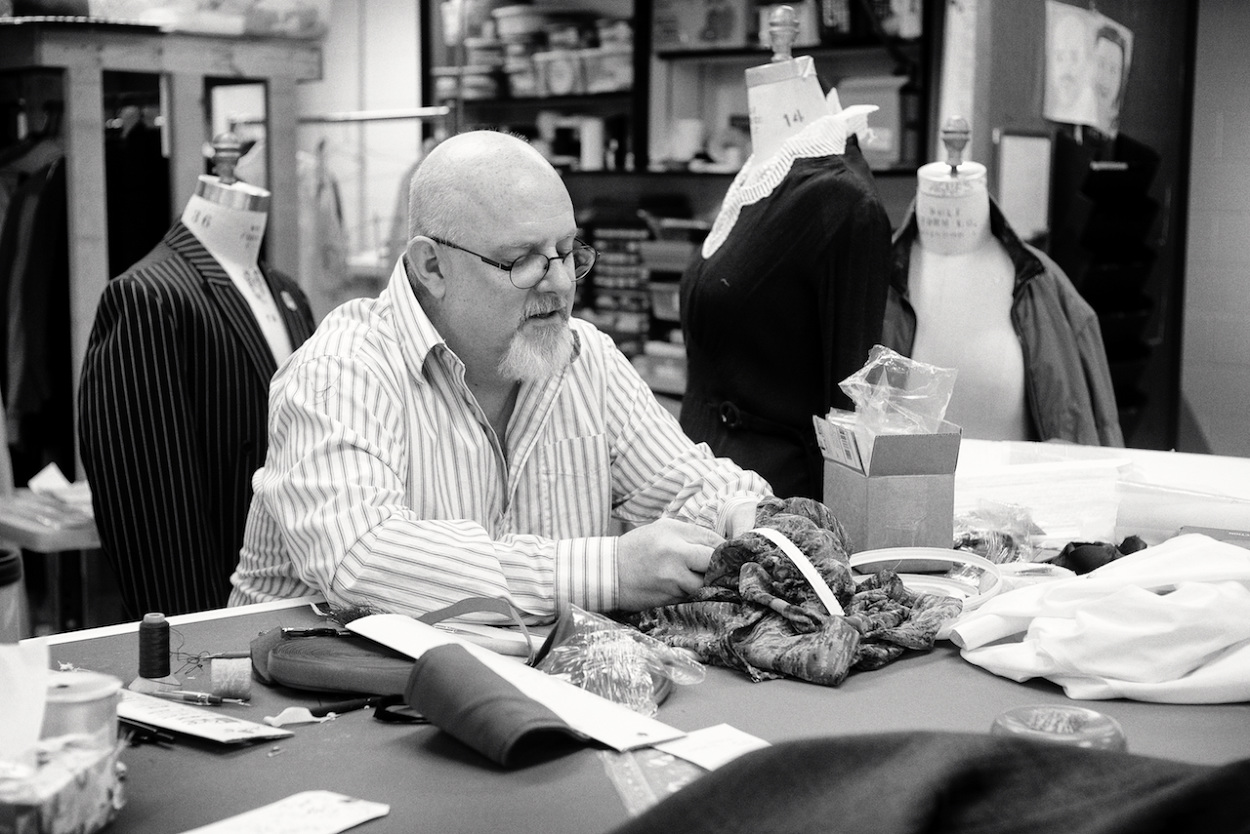
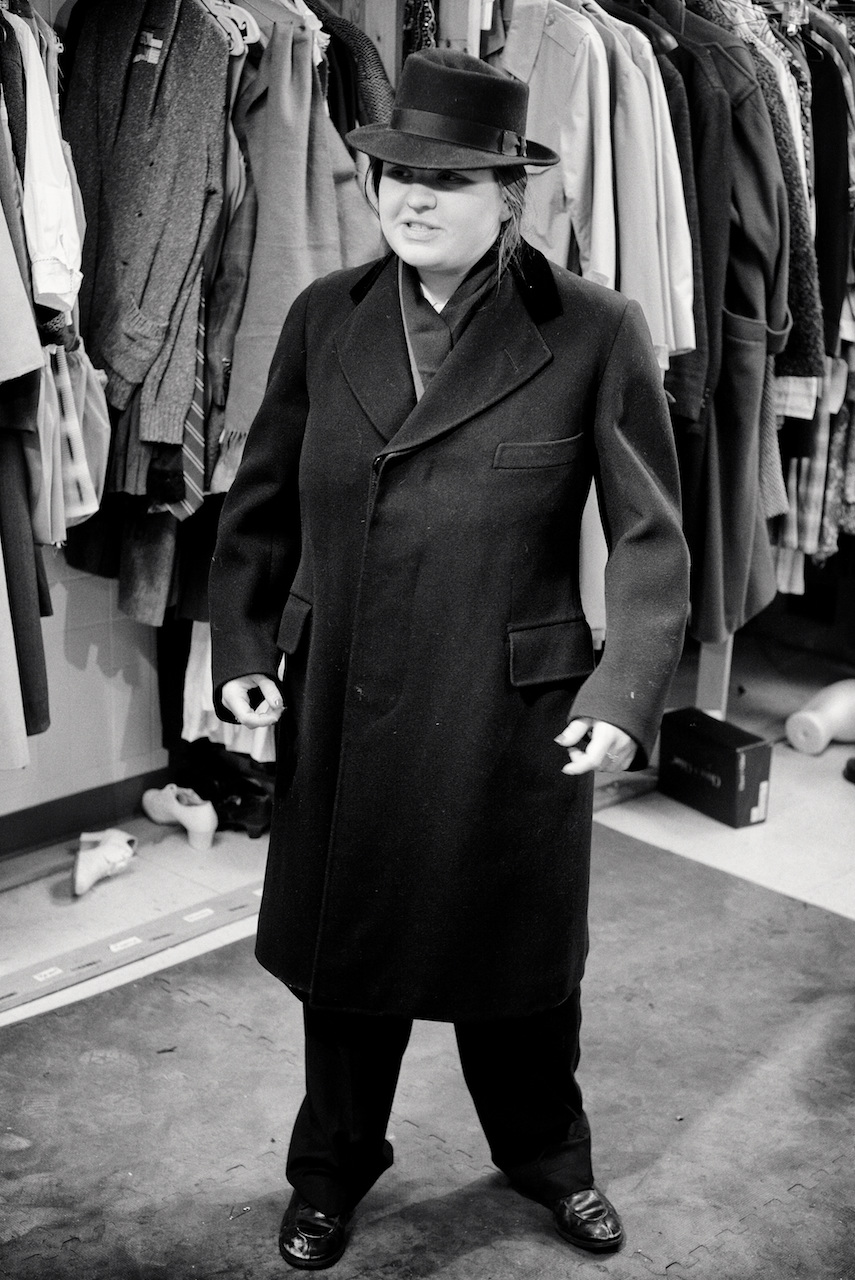
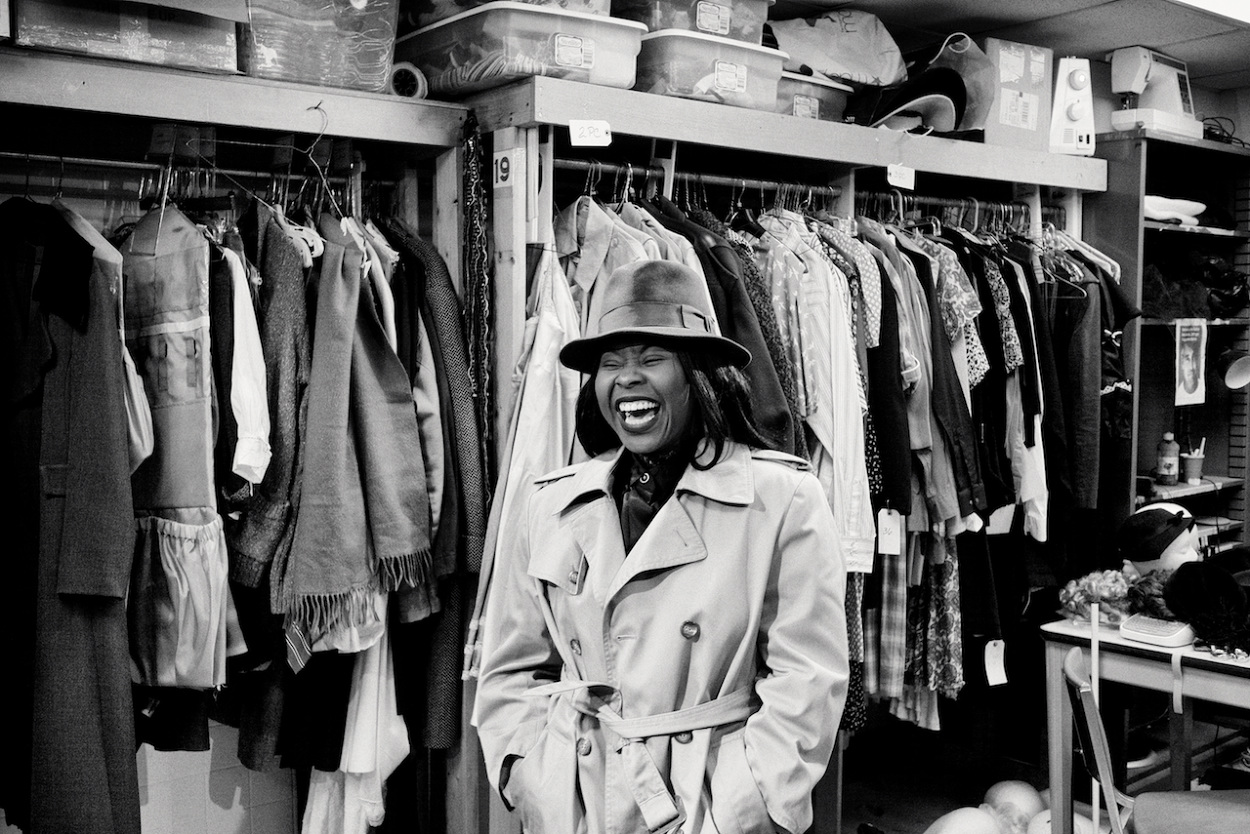
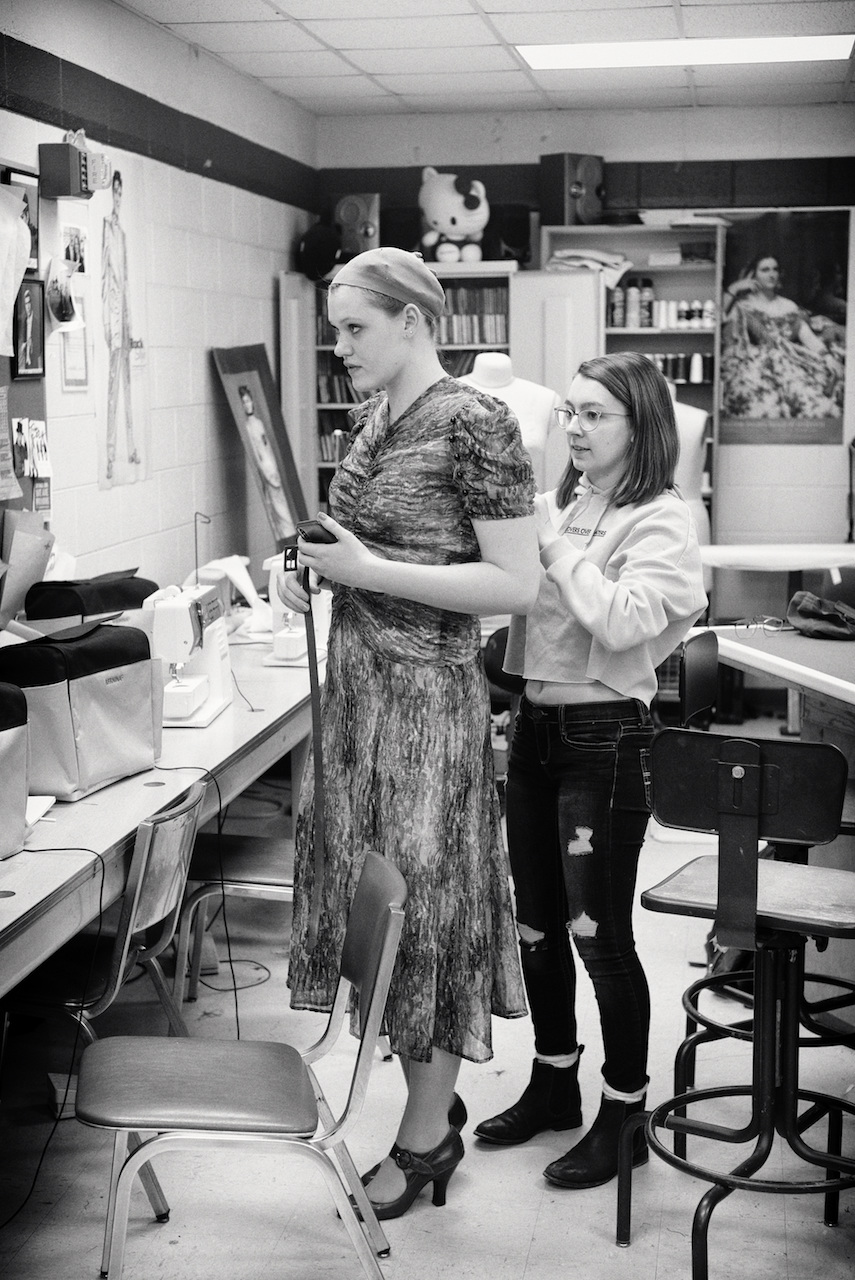
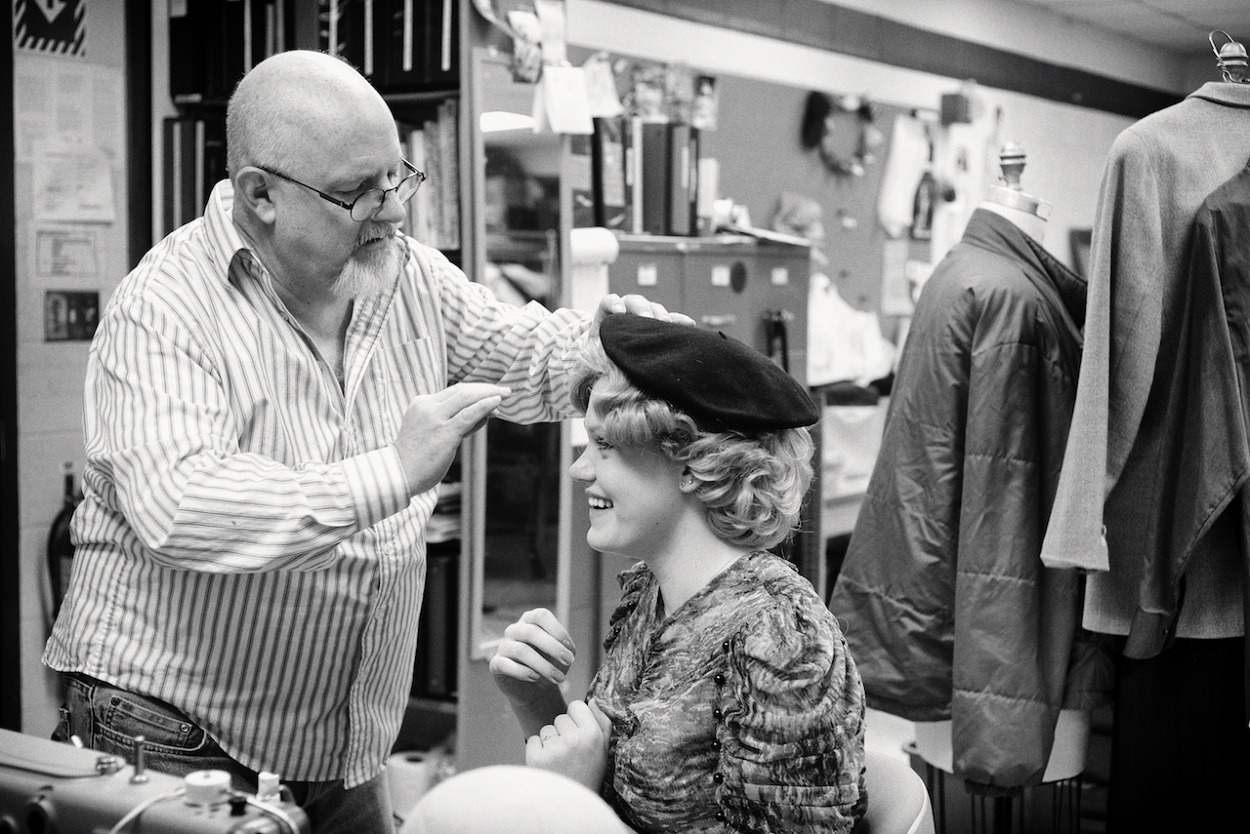
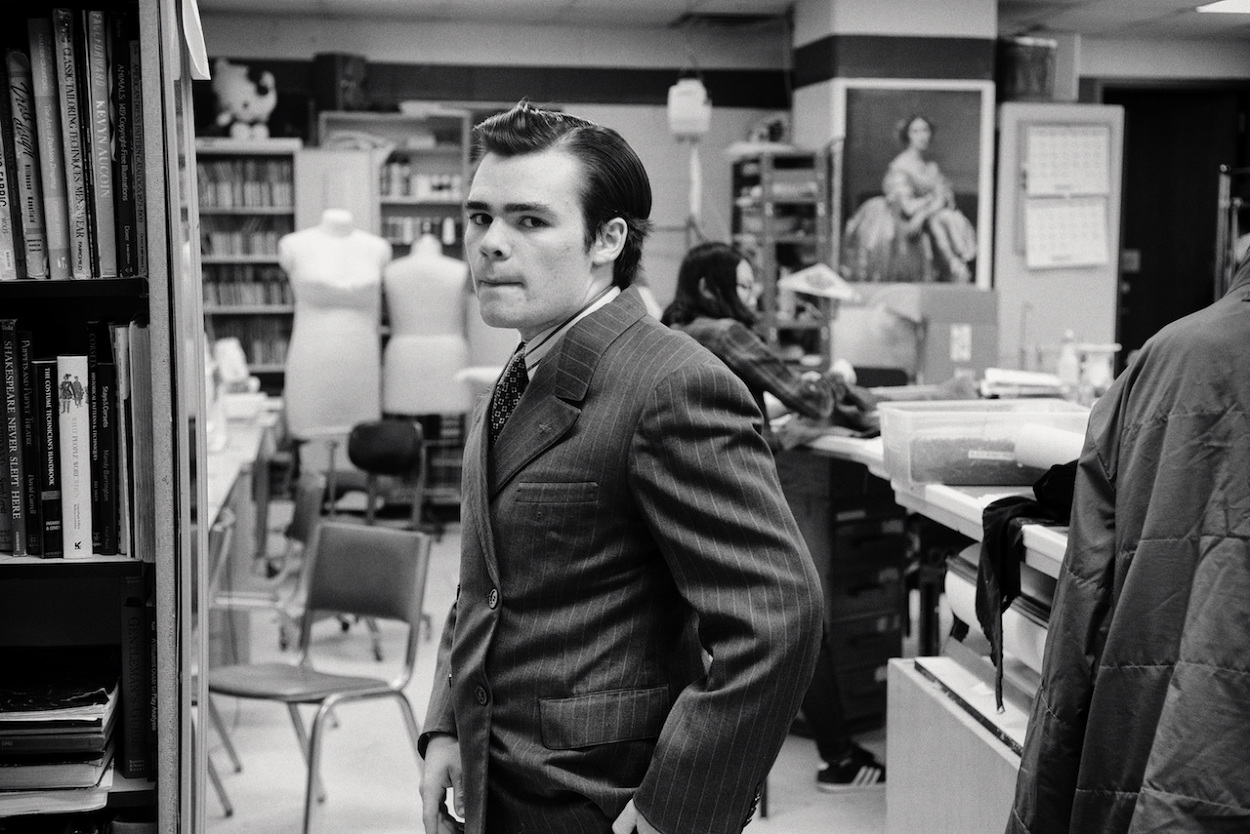
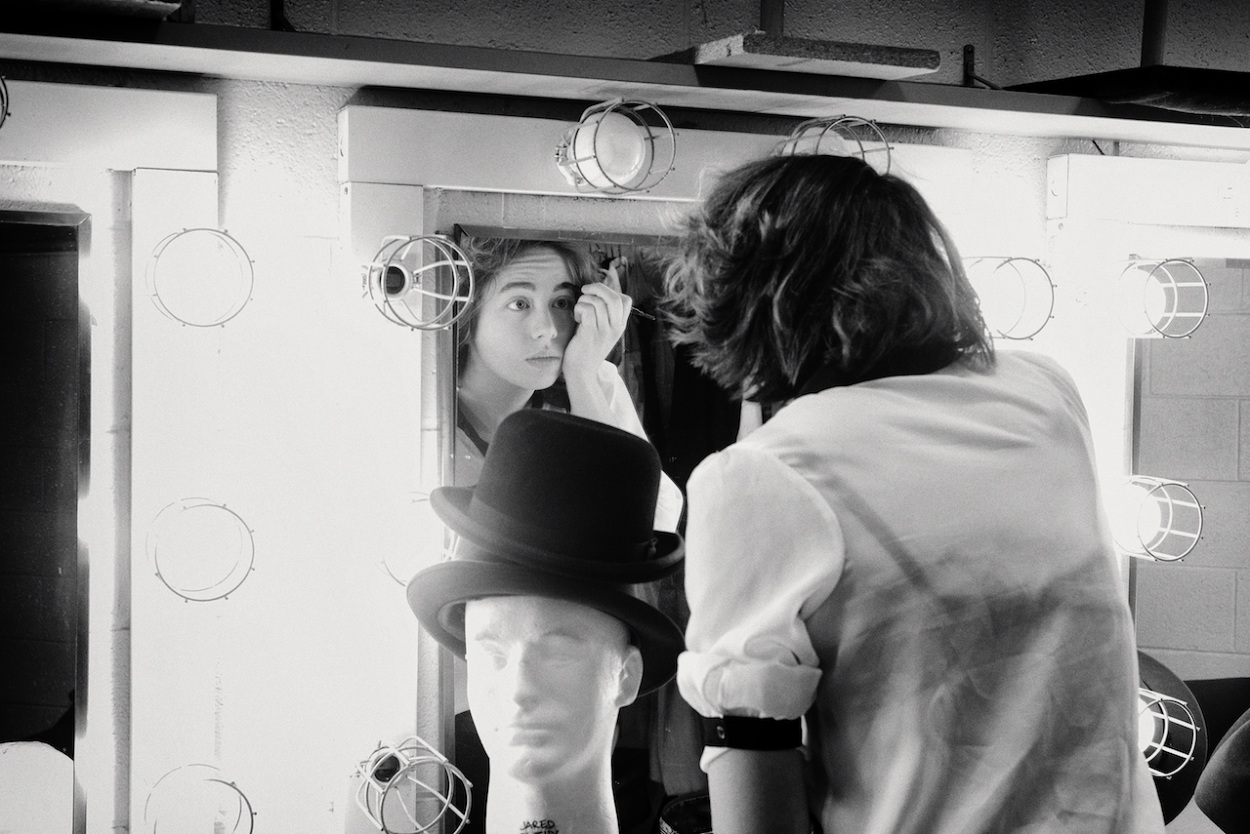
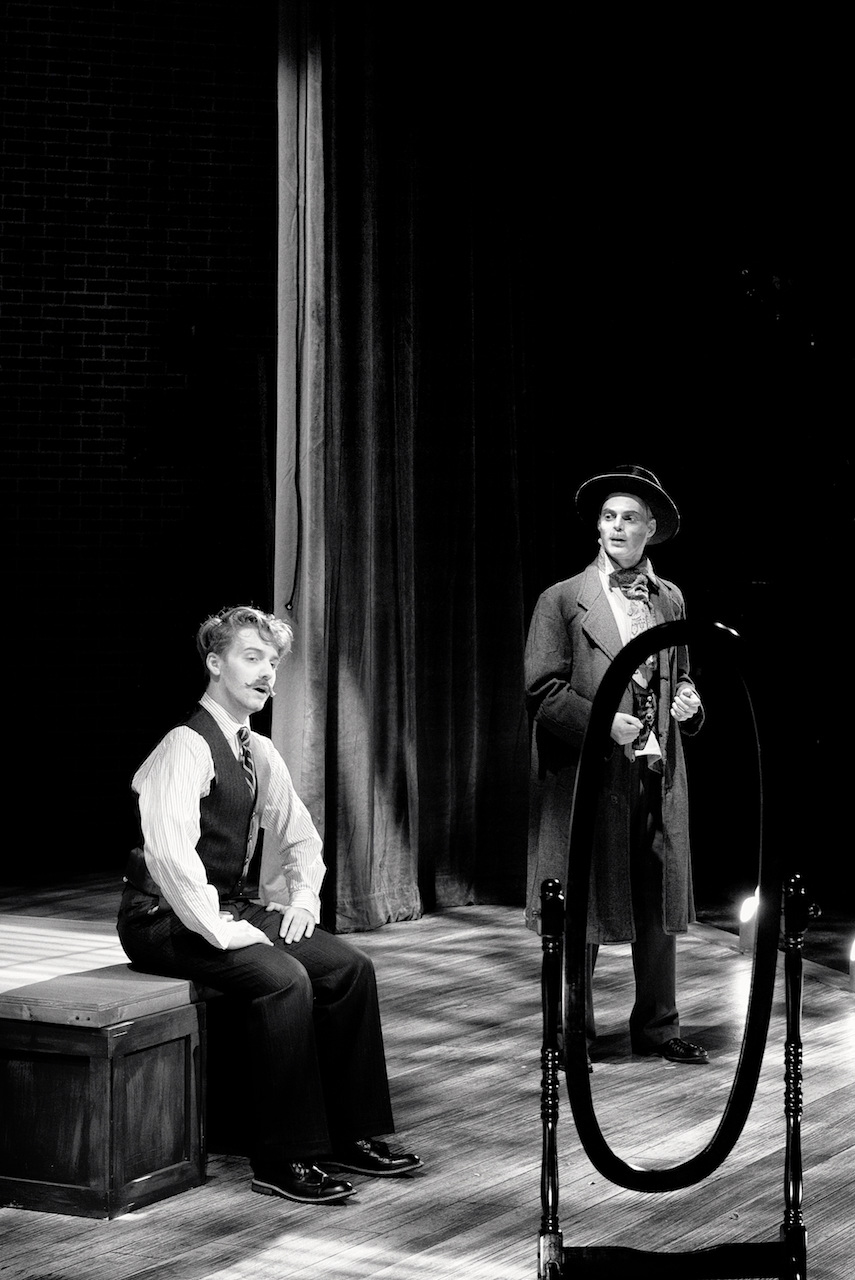
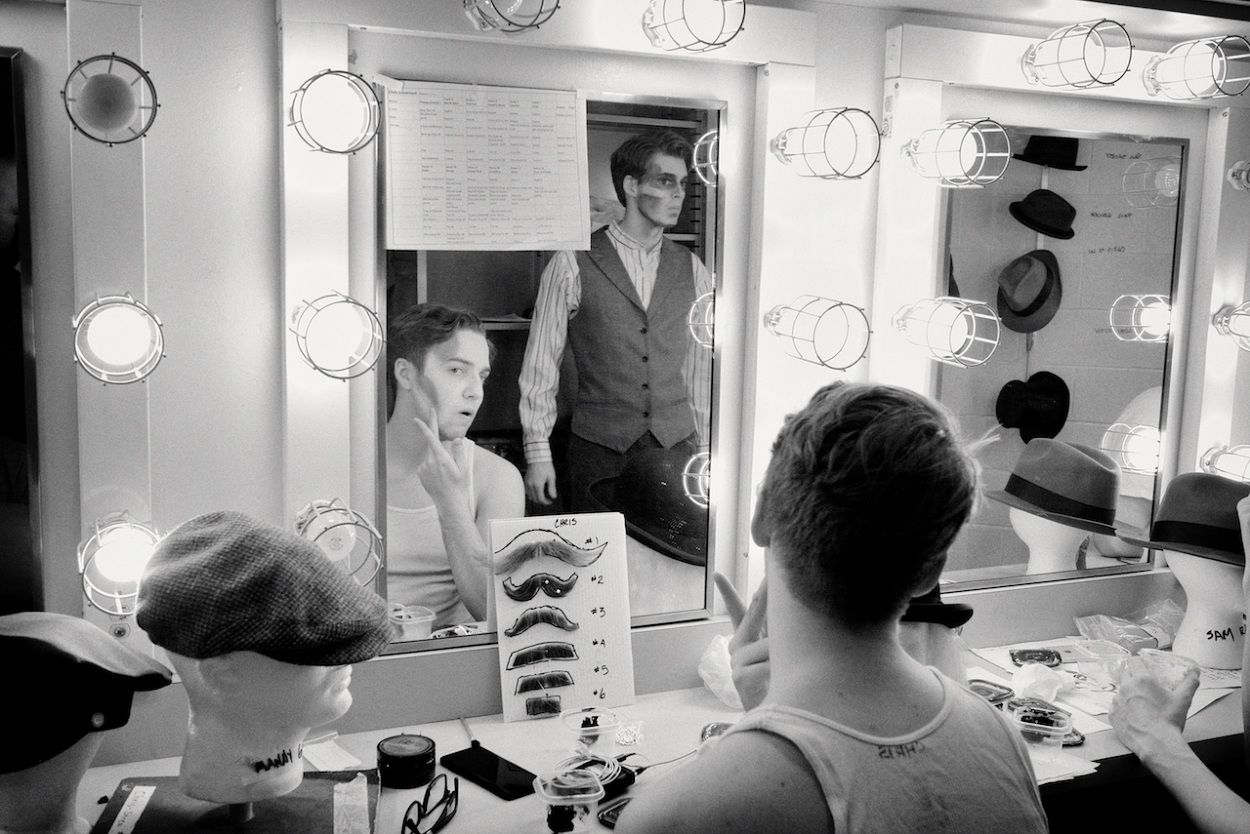
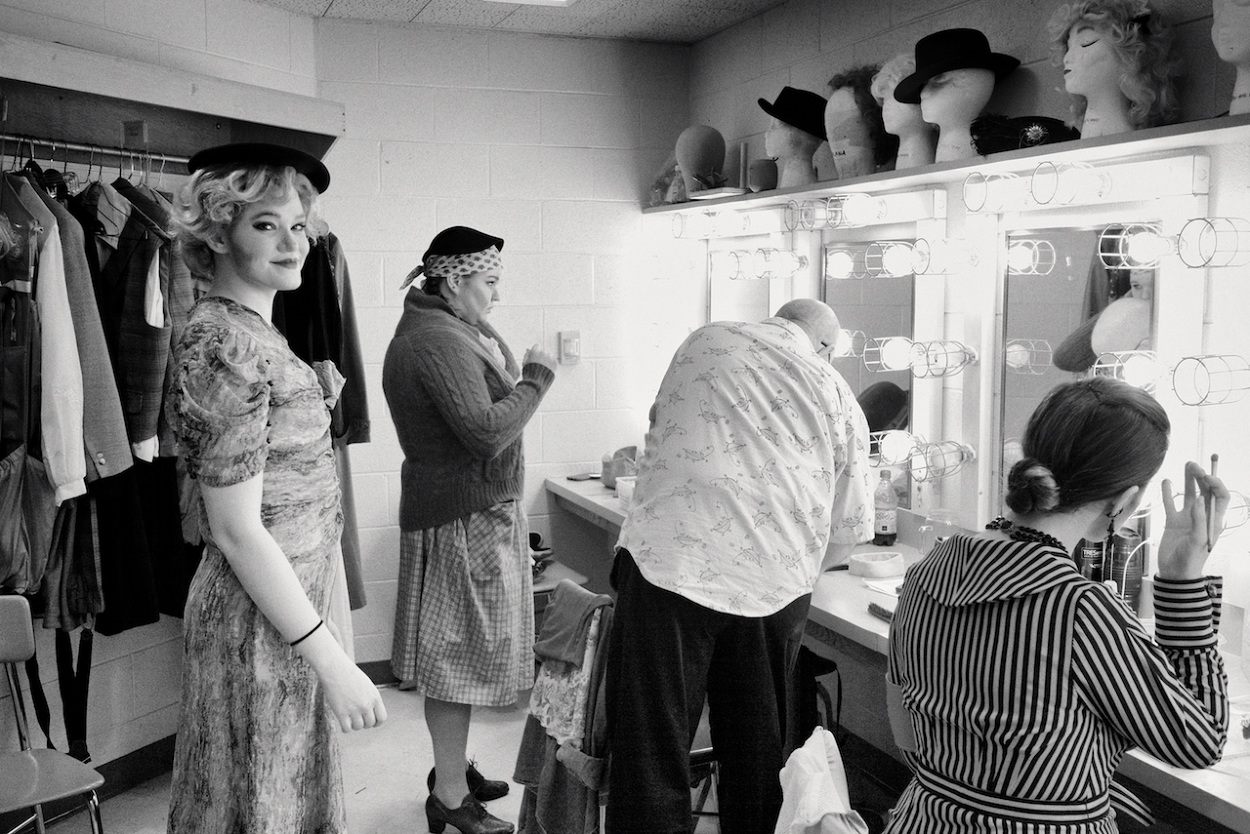
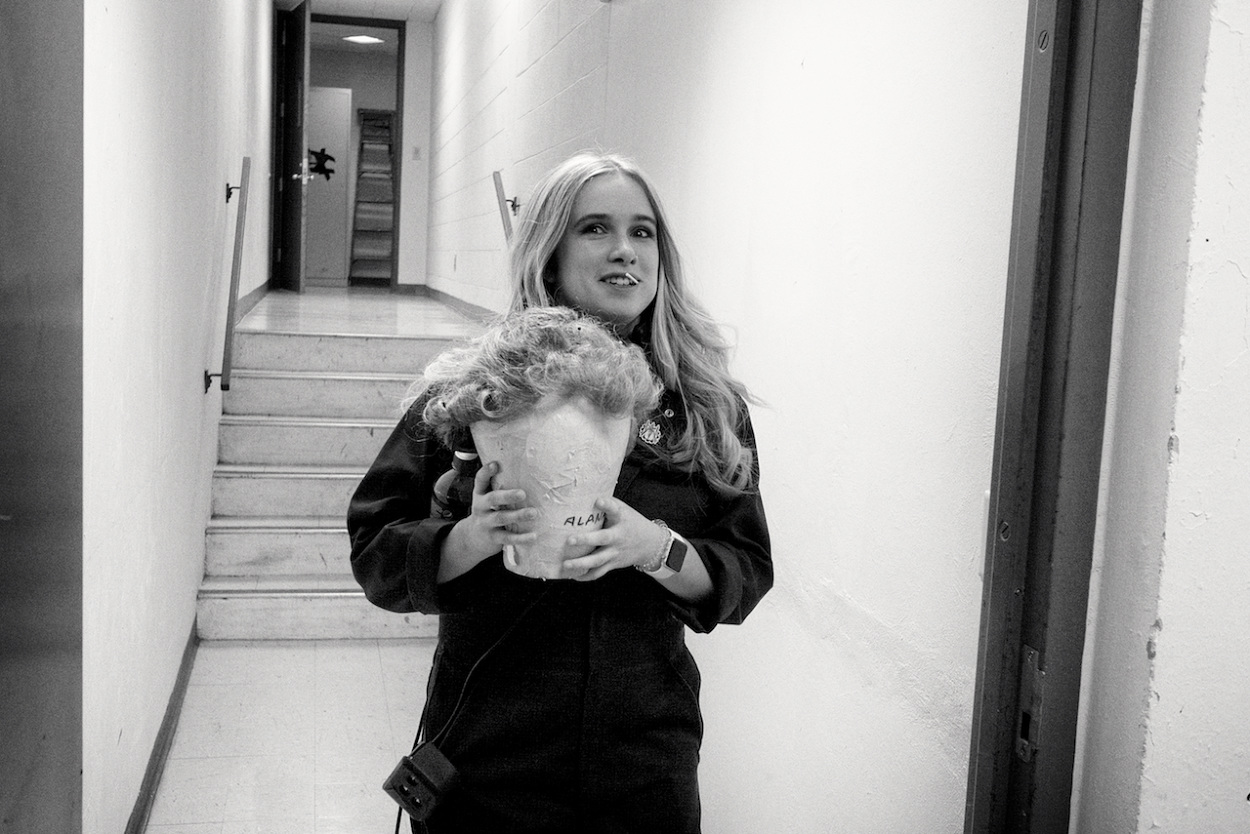
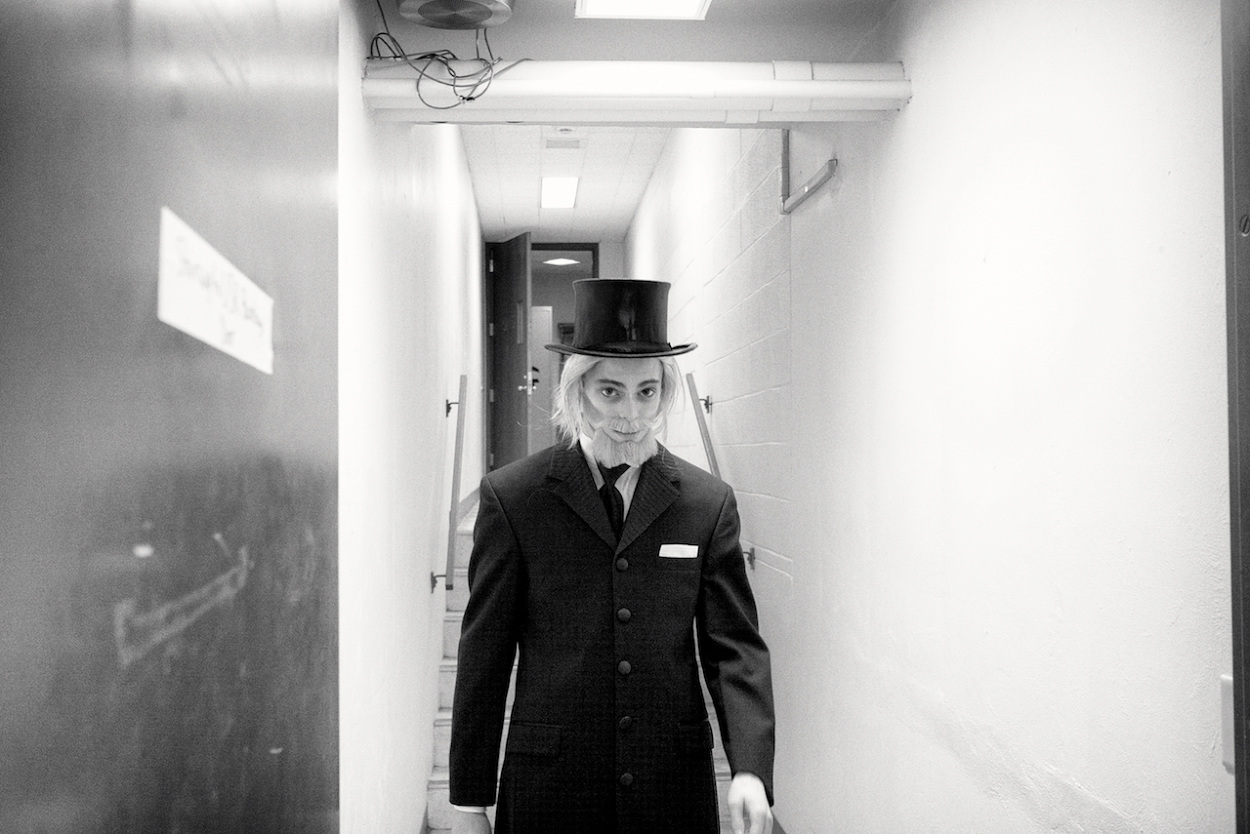
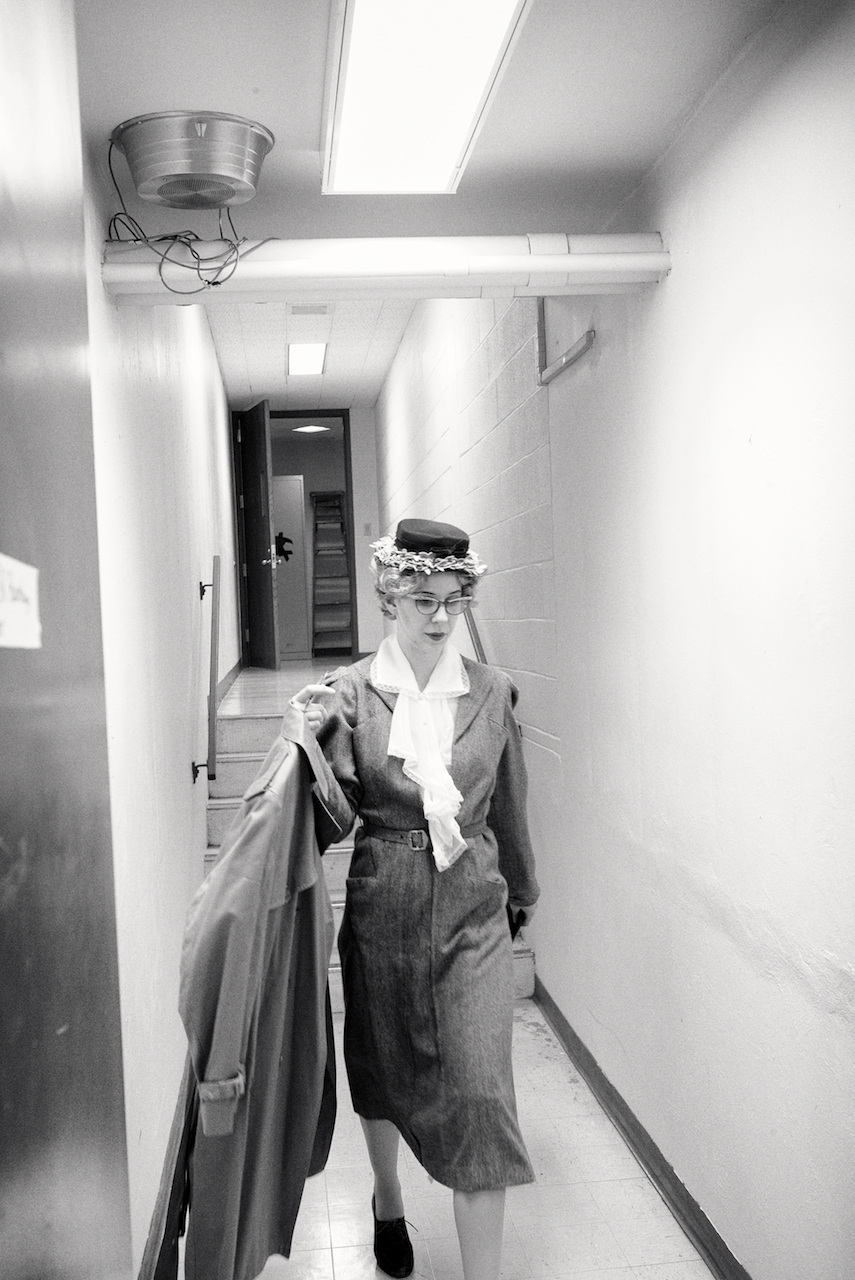
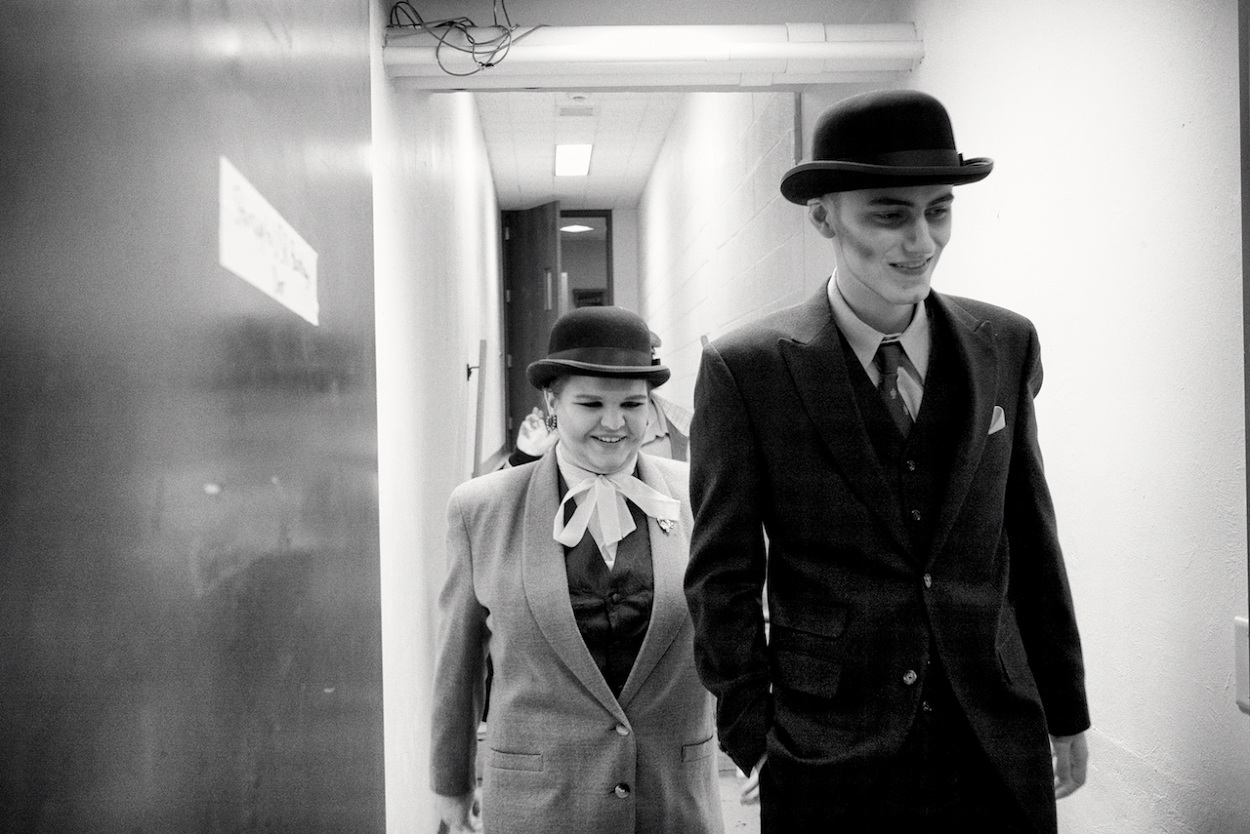
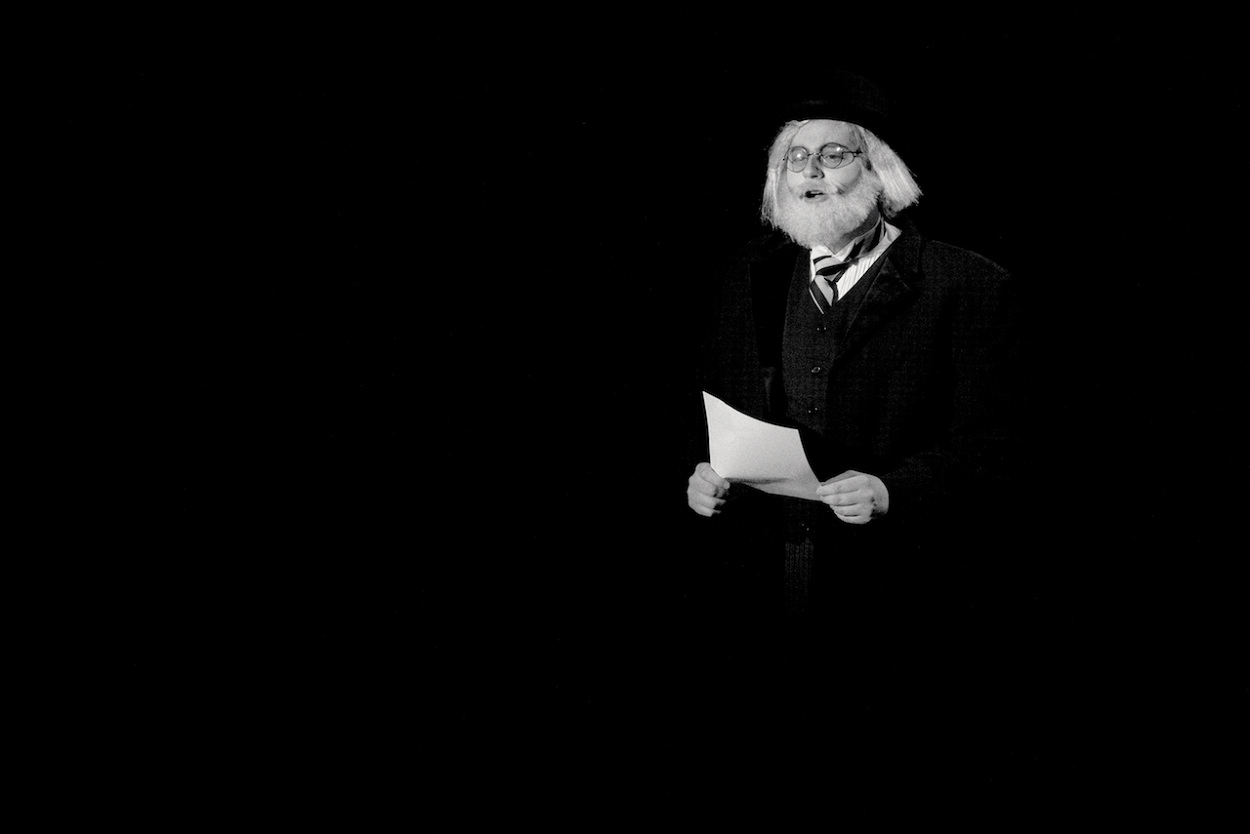
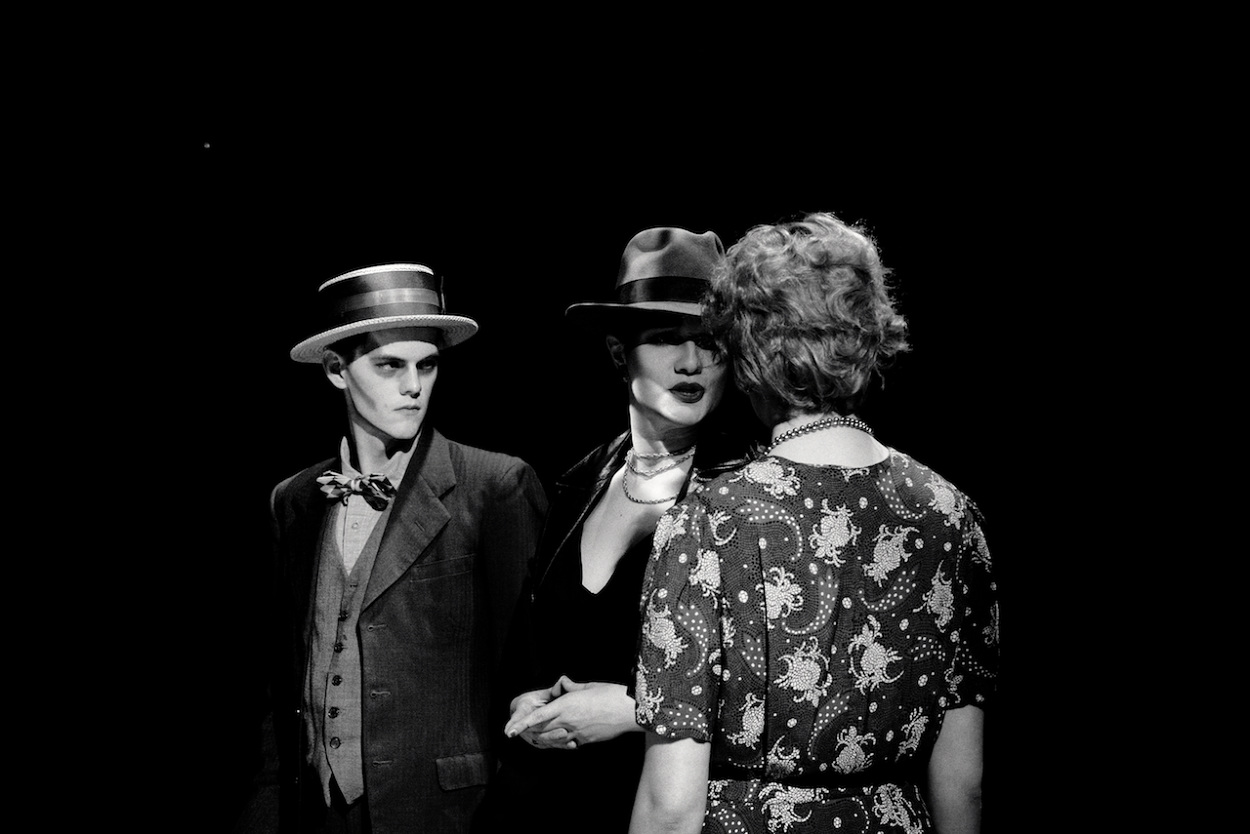
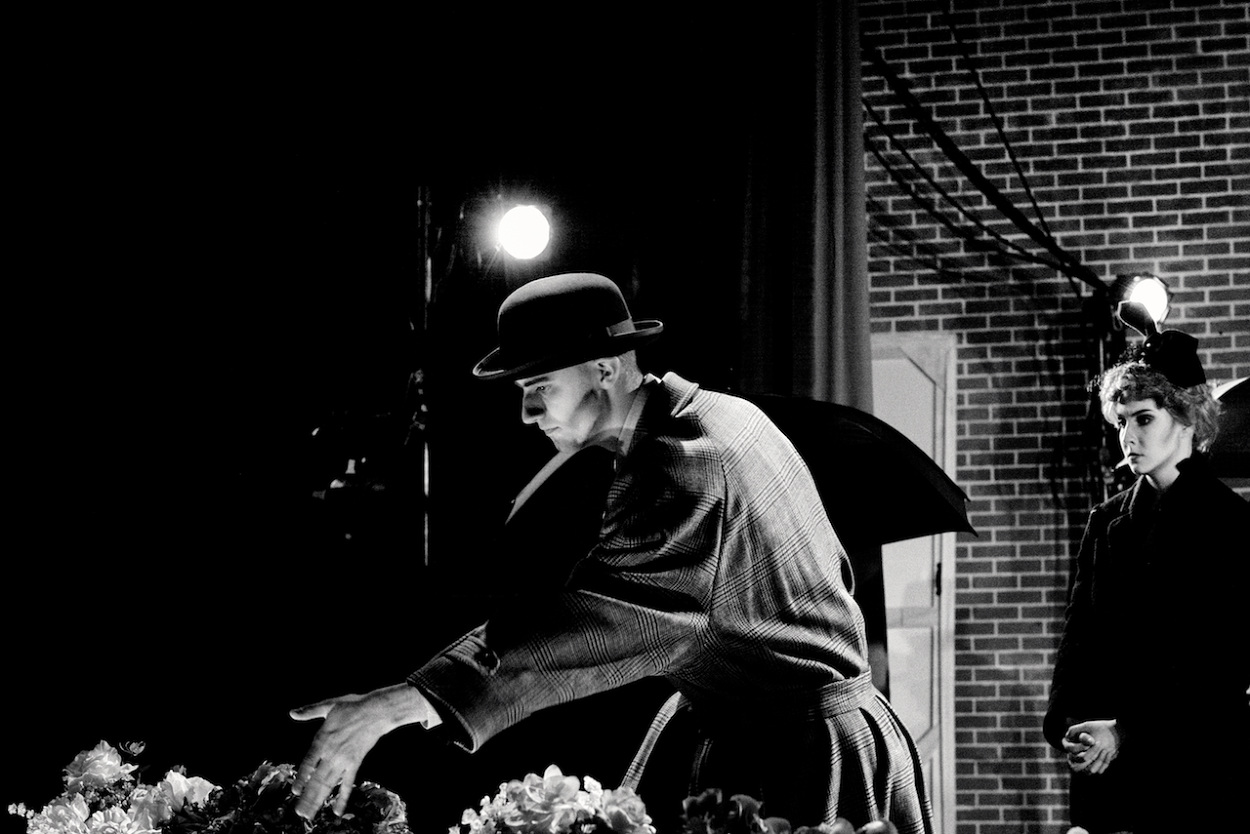
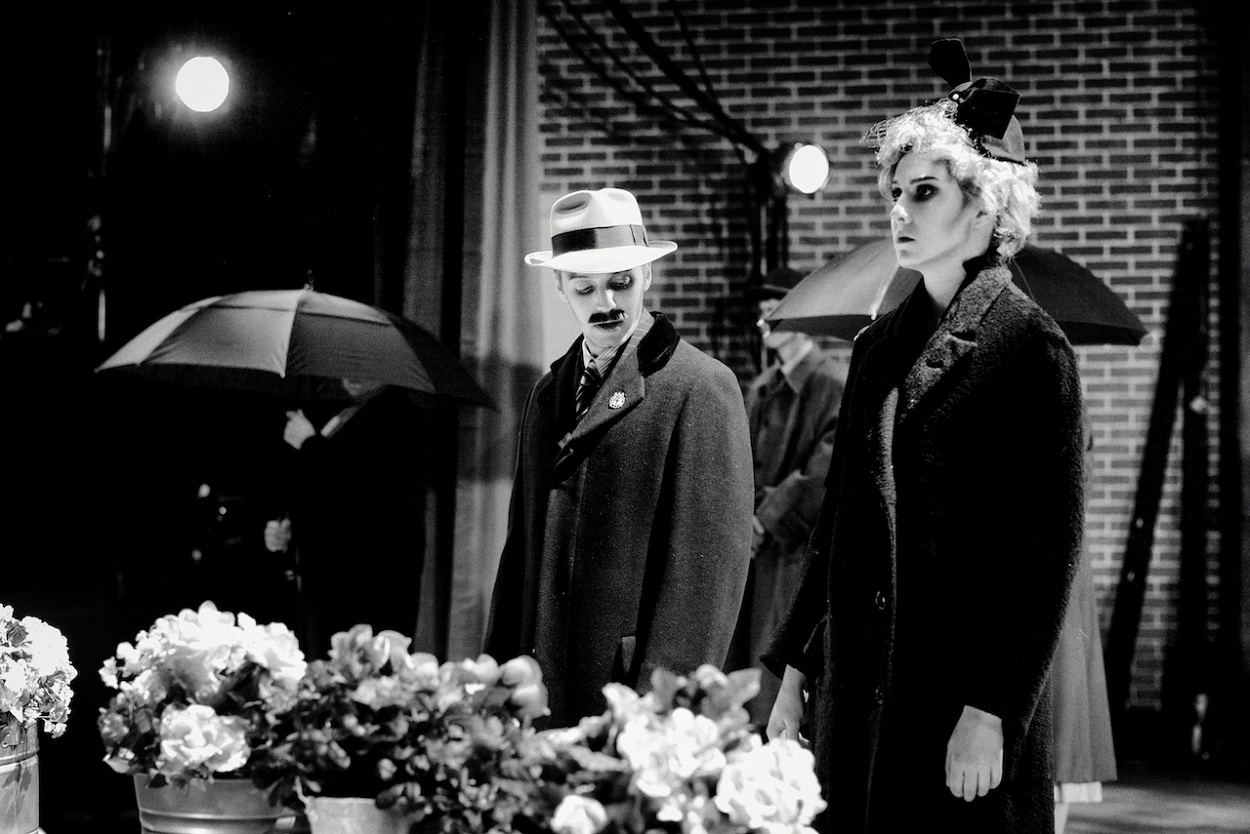
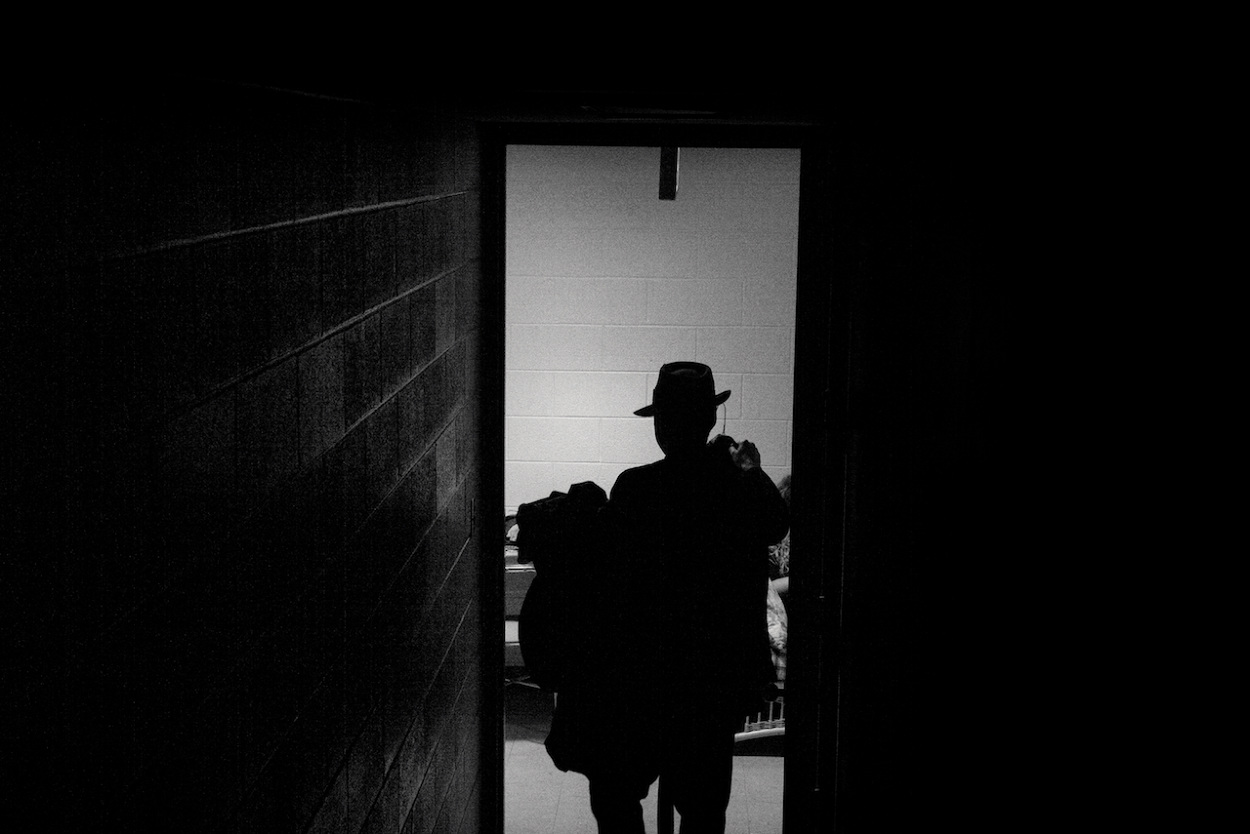
A play is brought to life not only by the actors, there are directors, stage managers, sound designers, lighting design, scenery, costumes, props, and so on. I was able to spend time in the costume department talking with Jim Greco, the costume supervisor. He tells me it’s been challenging to outfit everyone because of numerous costume changes and people playing multiple characters. On the day I visit, Jim is fitting two actors who will each play three different characters. Jim works with each to discuss how they will go about making costume changes and transitions from one character to the next; this may be as simple as putting on a hat and an overcoat or removing a wig, to doing a more involved complete wardrobe change.
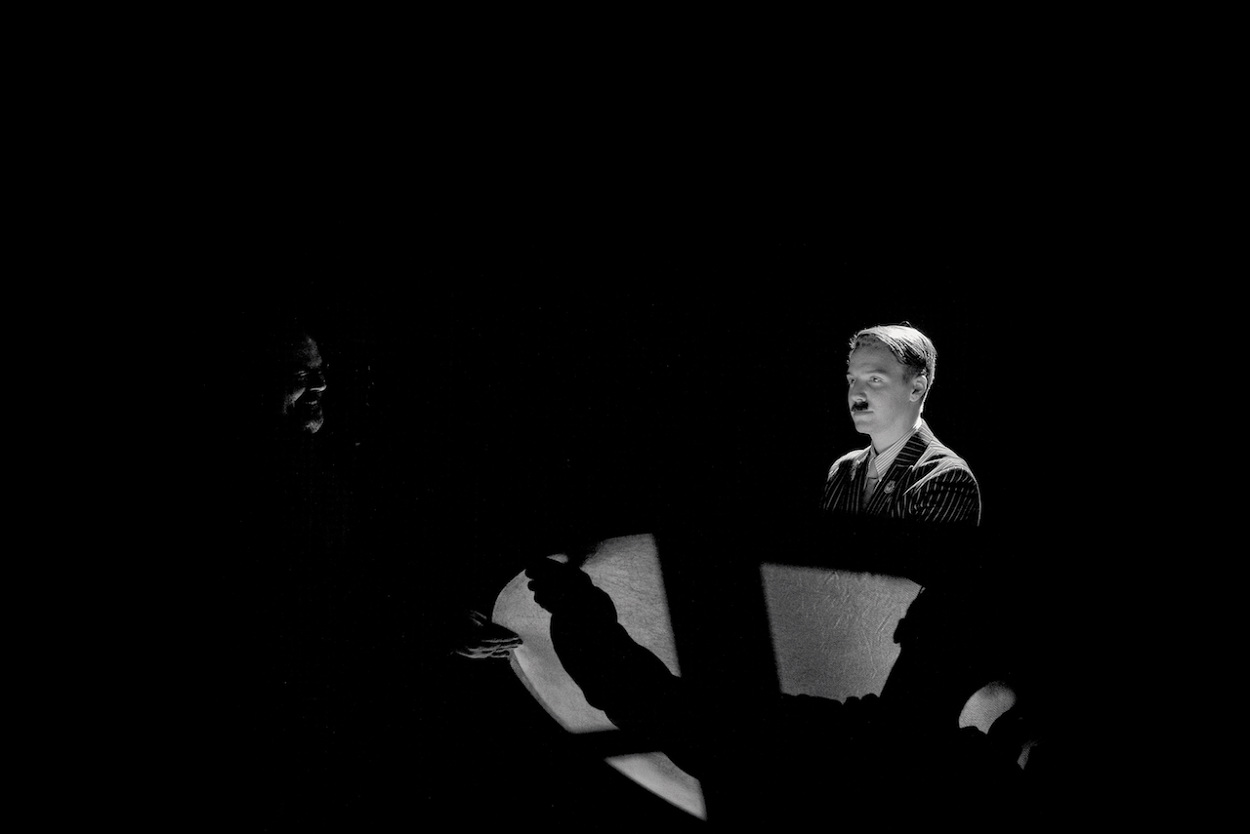
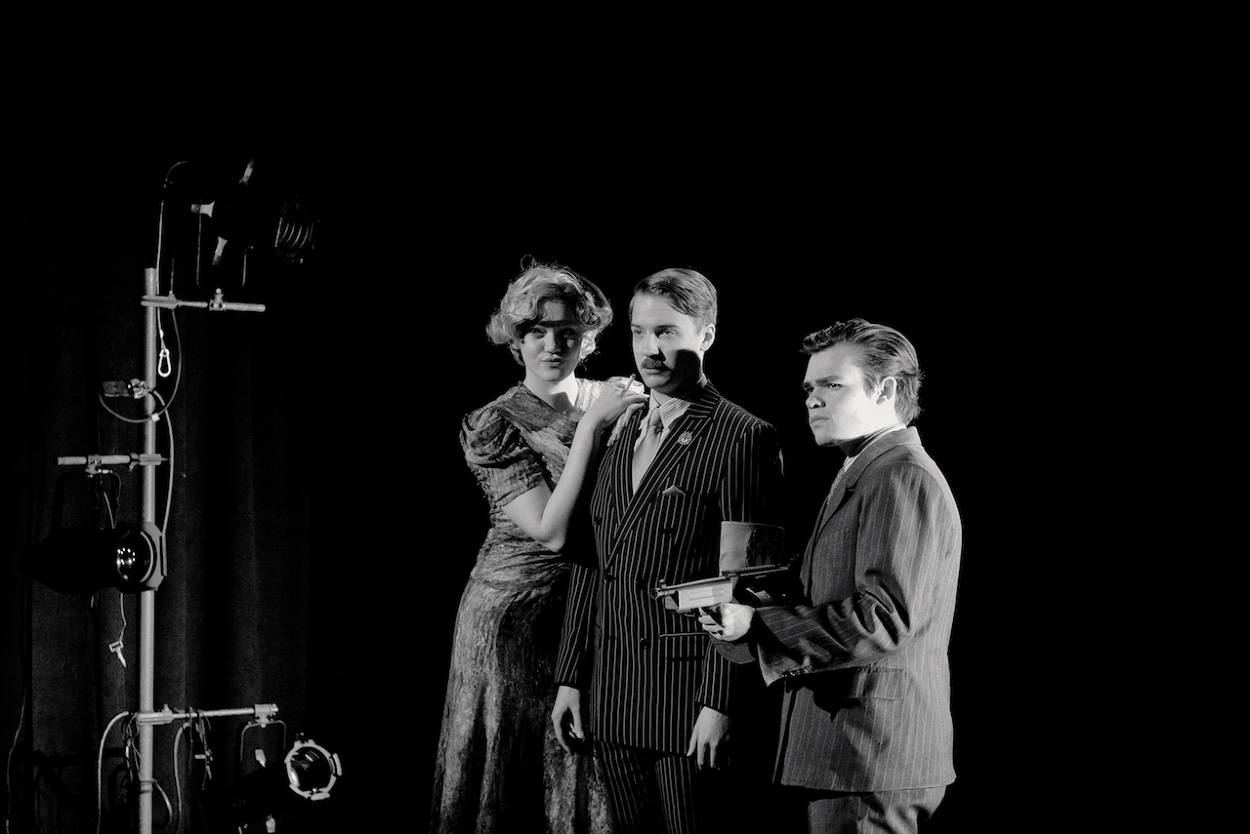
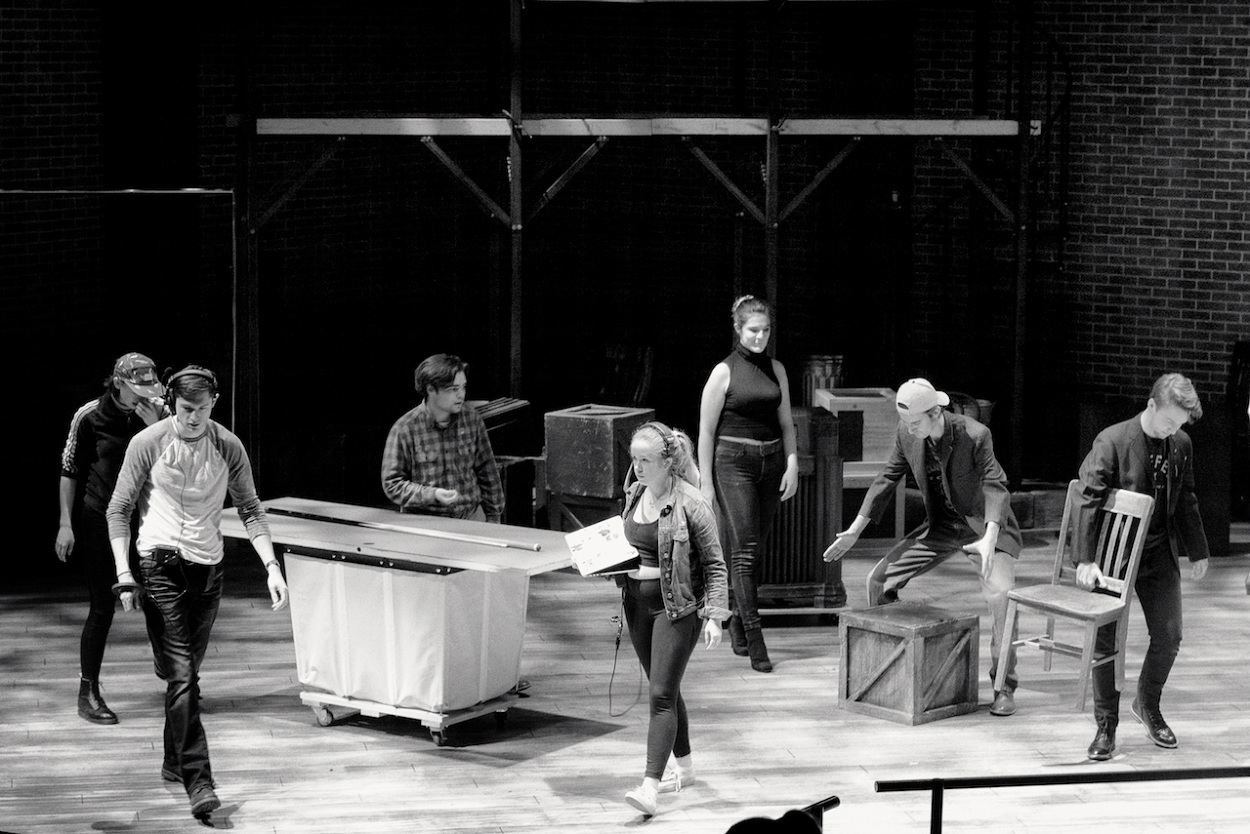
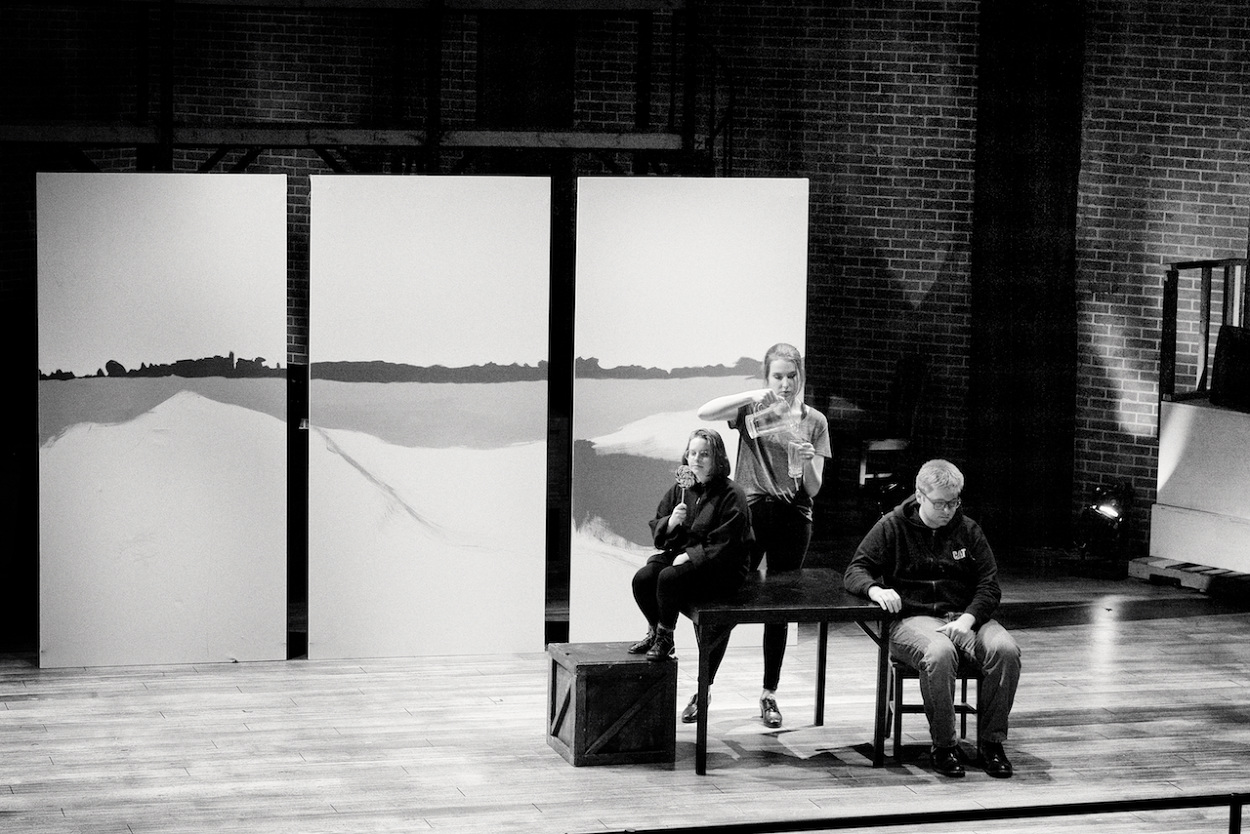
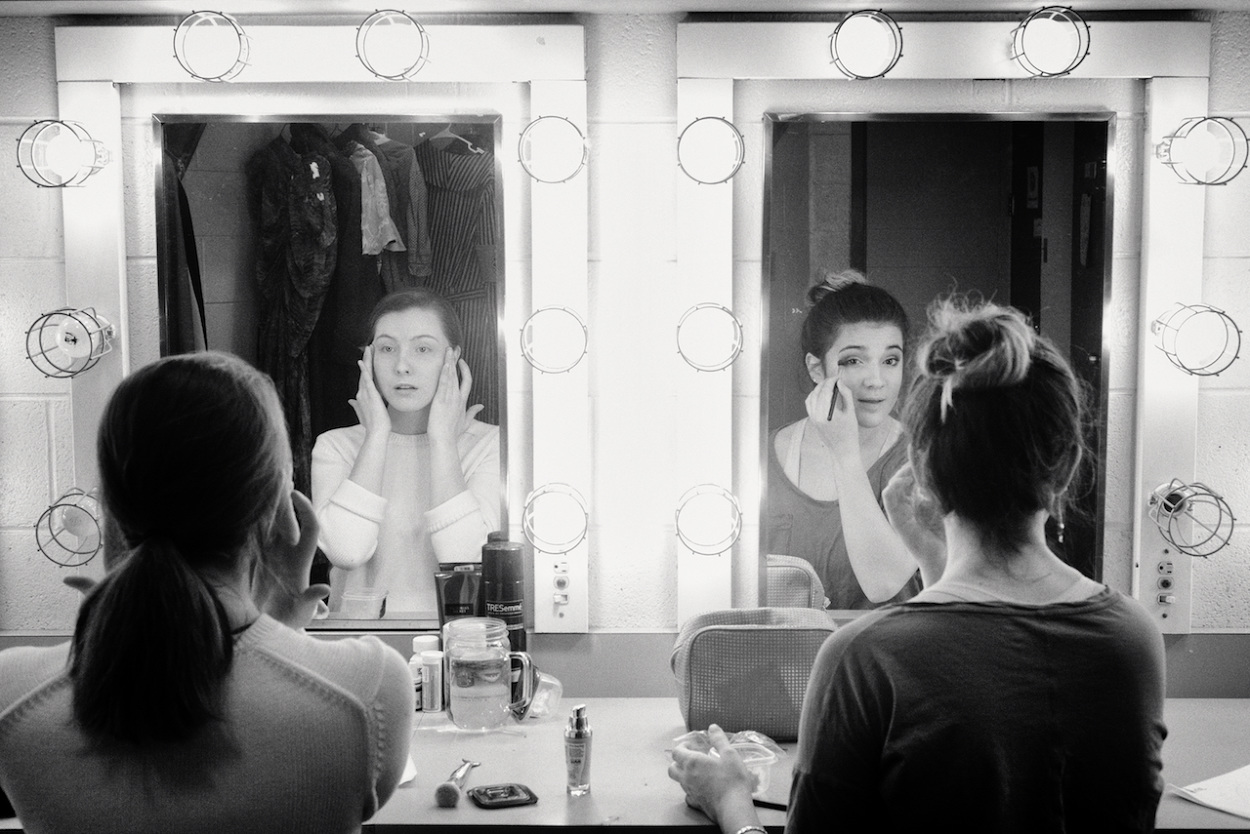
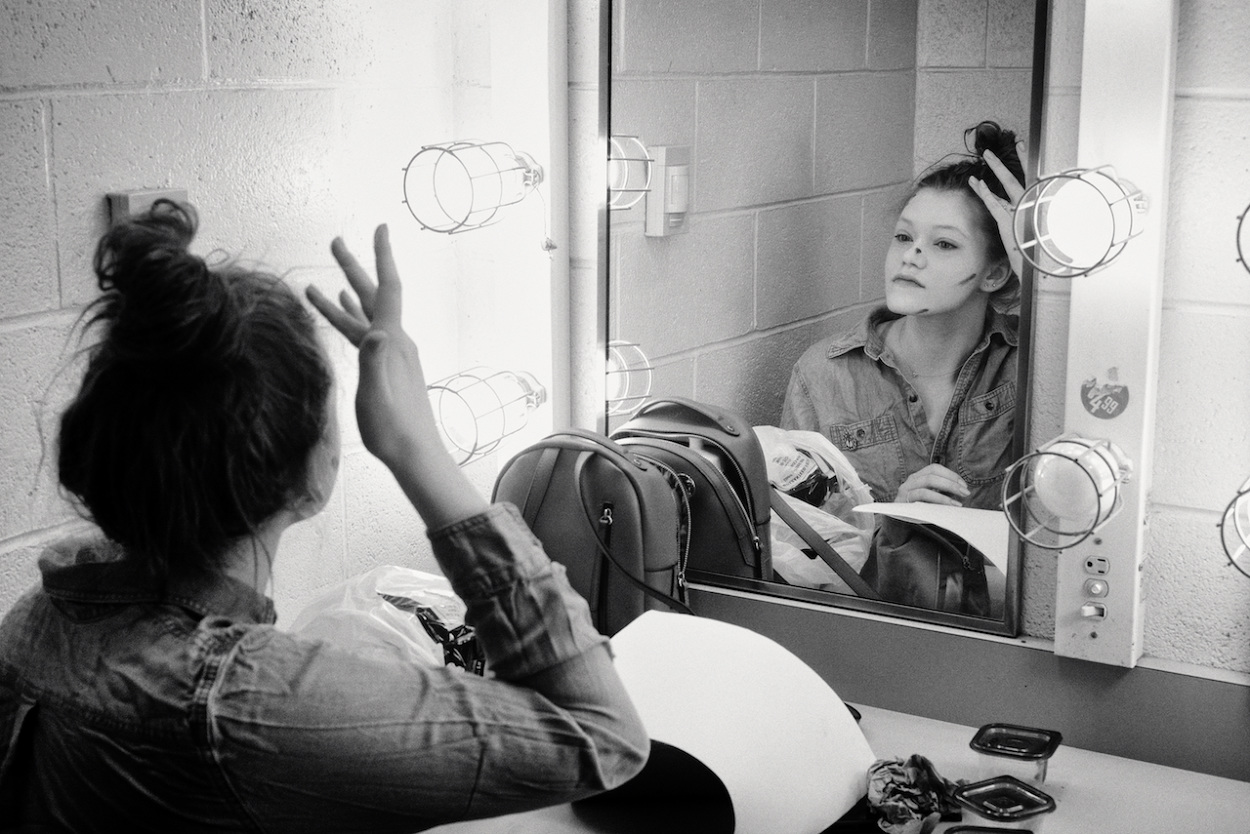
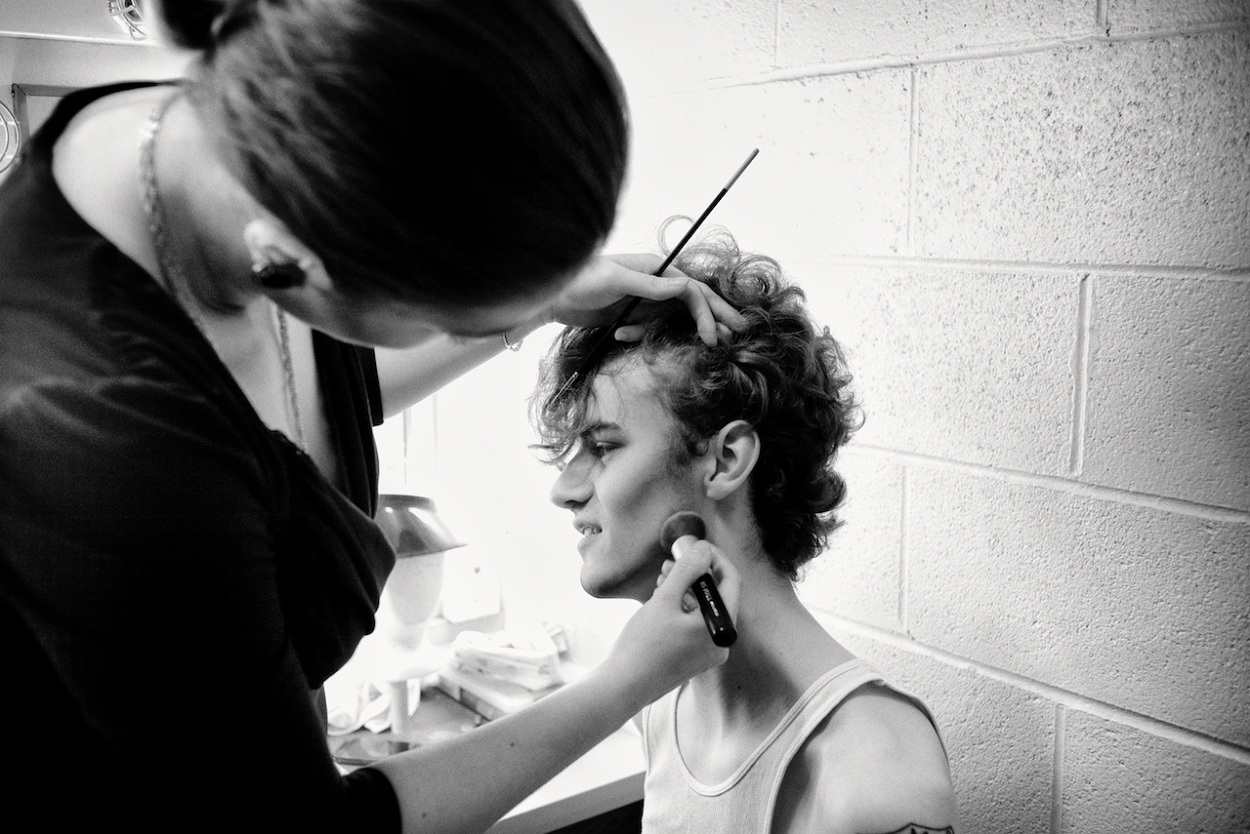
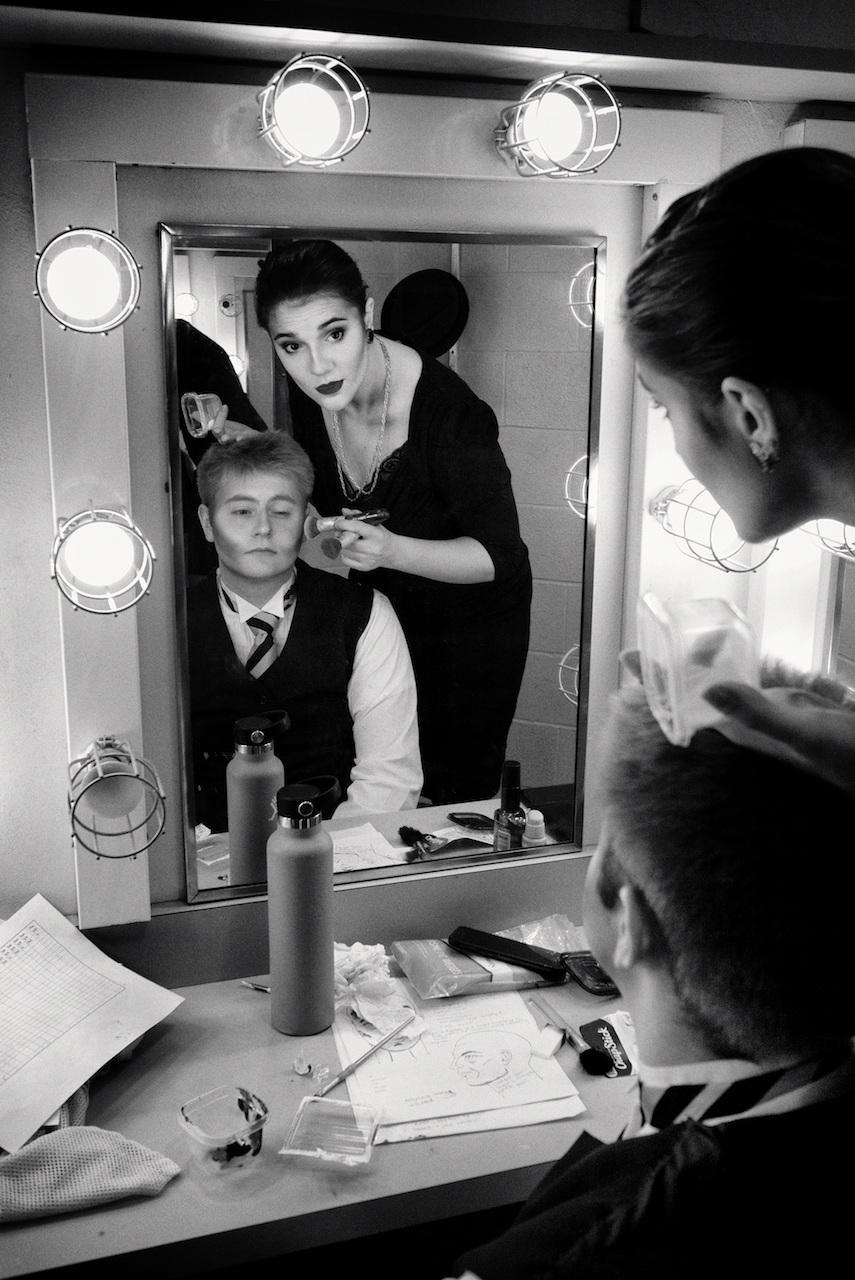
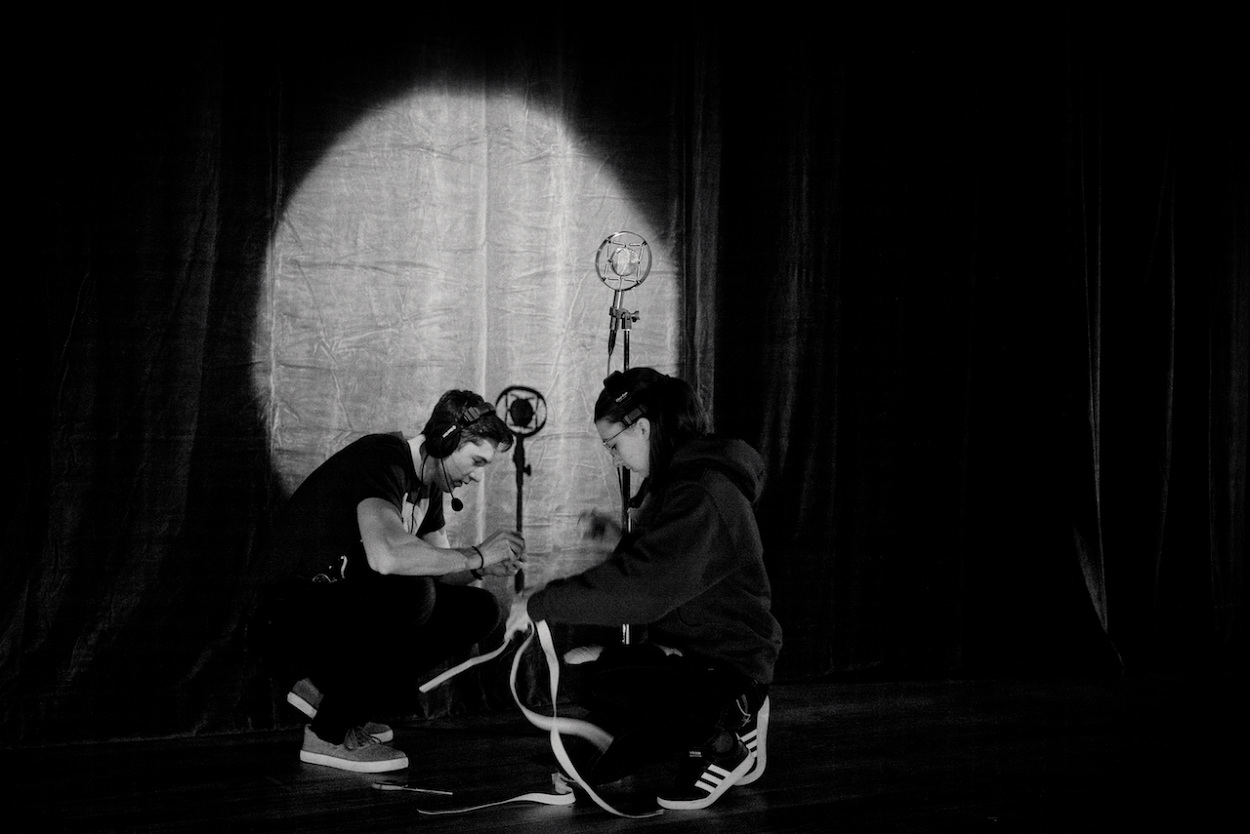
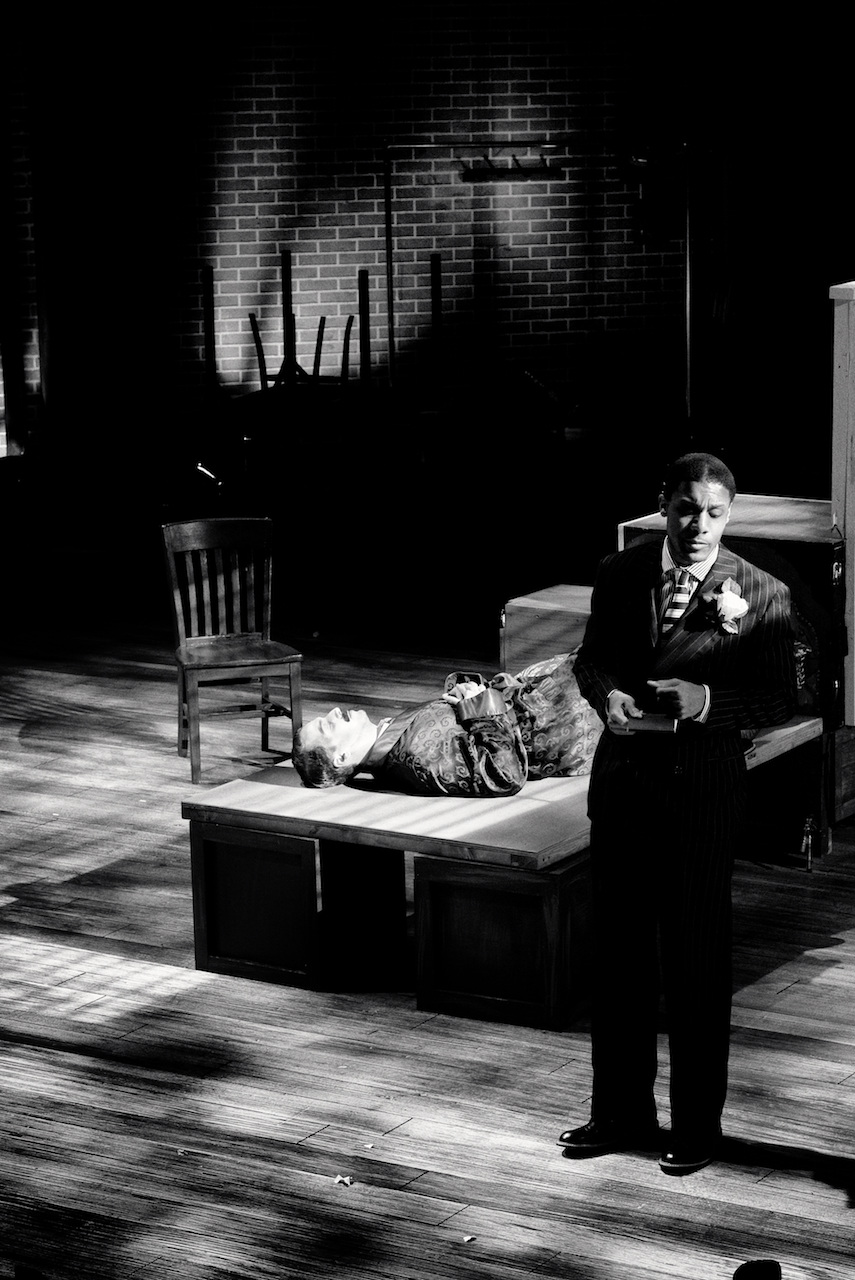
Leading up to the move into the theatre, the cast rehearses by scene then by act, including a stumble-through and designer run, each of which goes from opening to ending. Then the production enters technical week, that time when actors, costume, lighting, sound, and scenery come together for the first time. For the actors, everything they learned in the rehearsal room will need to be recreated, or reimagined, on the physical plane of the stage. This is where things begin to gel and issues come to light, and tweaks are done. The actors morph further with haircuts and shaves, and begin to rehearse for the first time in costumes and makeup, dramatically changing the tone and feel of the production, making it all more real. It is also at this time I realize, after sharing pictures from my visits on social media, I’ve become a part of the production. Jim Greco even tells me I’ve been unobtrusive and am welcomed back anytime.
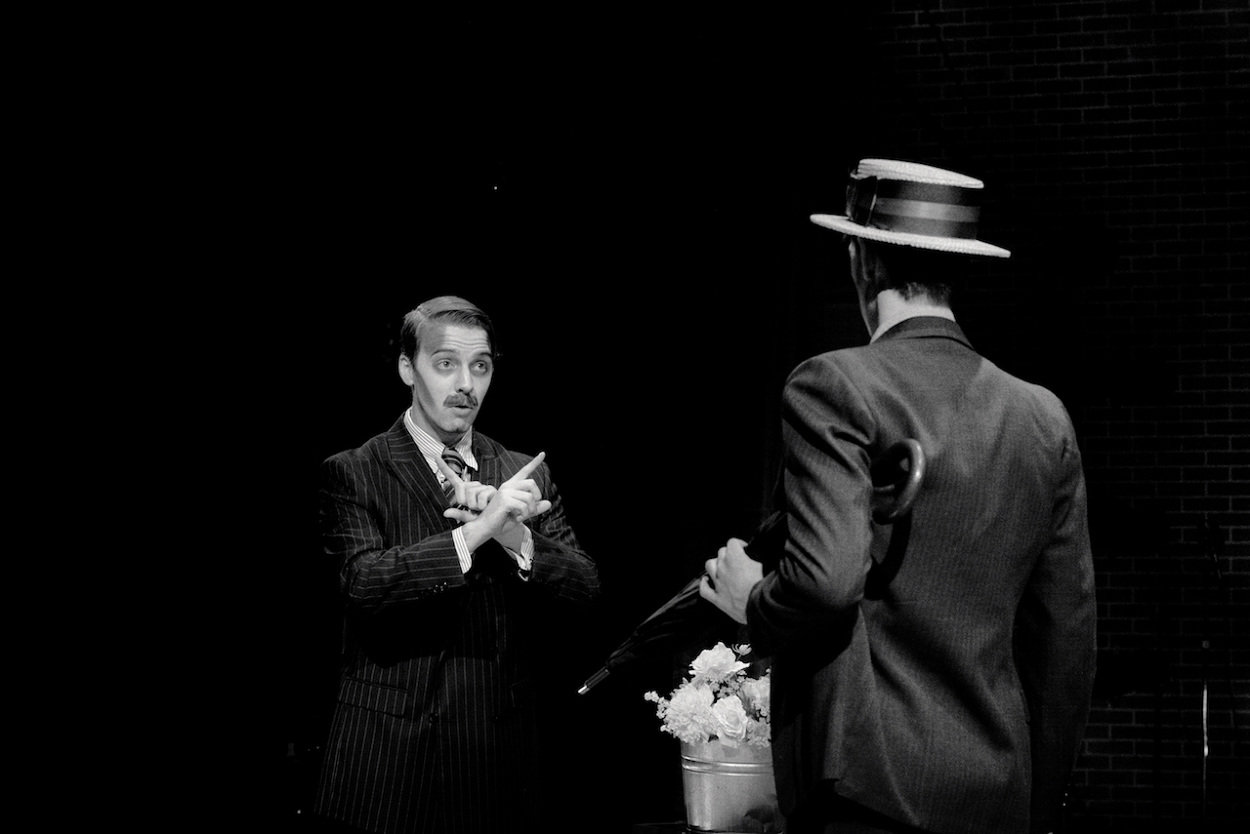
This project felt very daunting at the beginning. I had never taken on this type of project before. It had a specific start and end date. I am not familiar with the theater. I had never heard of Bertol Brecht. There were other interested parties. I thought I would need to shoot in a different way. I did not know what to expect. I felt an increasing pressure to produce. I was nervous to say the least. I found, however, that because I have photographed numerous protests, rallies, and music events over the past seven years, my style and approach to photographing fit very well with this project. Being flexible, fluid and unobtrusive are key for me when photographing events. This same approach applied here as well. At a protest I would need to be able to adjust to shifts in lighting, crowd movement, and always looking for the best vantage point. In both the rehearsal room and in the theatre, I had to be mindful of the changes happening and make adjustments on the fly. It wasn’t until the editing and curation of the photos that the similarities came to light. One huge advantage to being with the production throughout was learning the flow of the play and having the opportunity to know what would unfold. This aided greatly in my ability to position myself better and even get a second chance to get the shot, something that doesn’t happen most of the time.
Earlier this week were a final stumble-through and final run. In addition, there was a preview in front of a real audience. And tonight was the opening night. The culmination of six weeks of rehearsal came together this evening for the cast and crew. I heard one of the actors comment “it was a vast improvement over last night.” For me, the evening meant the end of the project and my final night with the production. I must admit, I will have withdrawal from this experience. Being part of the production has been pure joy. As an introvert, the communities I am active with are few. So to have been welcomed into this community has been heart warming to say the least. A huge thank you to the cast and crew for allowing me to be part of this. I am forever grateful.
I would be remiss if I didn’t talk further about the political undertone of this play and what we are experiencing today with our current political climate. I believe in using art to censure the political establishment in order to bring about change. Brecht wrote this as a way to speak out against a dictator and political party who believed in nationalism, white superiority, and doing whatever it took to make Germany great again. Here we are 73 years later facing similar elements the play deals with. Thus, with taking on this project I was not only documenting the production of The Resistible Rise of Arturo Aui, but, ideally, also providing an opportunity to get people thinking and talking about what is happening now. The epilogue to the play feels as relevant today as it did when it was written:
If we could learn to look instead of gawking,
We’d see the horror in the heart of farce,
If only we could act instead of talking,
We wouldn’t always end up on our arse.
This was the thing that nearly had us mastered;
Don’t rejoice in his defeat, you men!
Although the world stood up and stopped the bastard,
The bitch that bore him is in heat again.
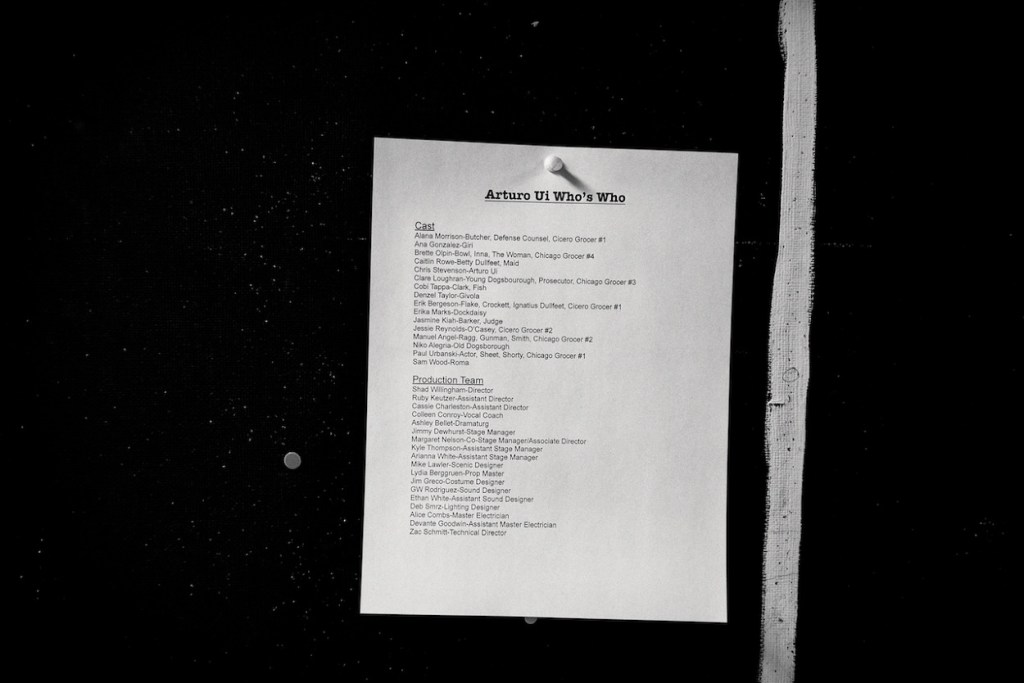
The Actors: Niko Alegria, Manuel Angel, Erik Bergeson, Ana Gonzalez, Jasmine Kiah, Clare Loughran, Erika Marks, Alana Morrison, Brette Olpin, Jessie Reynolds, Caitlin Rowe, Christian Stevenson, Cobi Tappa, Denzel Taylor, Paul Urbanski, and Sam Wood.
Director: Shad Willingham
Assitant Director: Ruby Keutzer
Stage Managers: Jimmy Dewhurst, Margaret J Nelson, Arianna White, and Kyle Thompson
Costume Supervisor: Jim Greco
 new normal photography